What injuries can develop after an auto accident?
Whiplash injuries, back strain, disc injuries, and joint pain can develop after an auto accident. Arrowhead Clinic Chiropractor Riverdale checks movement, posture, symptoms, and health history during the assessment. Headaches, sciatica, and neck pain may also need attention. Severe weakness, loss of sensation, or trouble breathing requires urgent medical care.
What does the clinic look at first after a crash?
The first check covers your health history, current symptoms, posture, and movement. We ask when the pain began and how it affects daily activity. The exam helps us decide whether chiropractic care fits your needs. X-rays may be considered if clinically indicated.
What should be checked before treatment is scheduled?
Your symptoms, health history, movement limits, and care goals should be checked before treatment is scheduled. Accident records and medical notes can add useful detail. Our team explains the findings and proposed plan before care begins. This step also helps identify concerns that need another medical service.
How does the first chiropractic visit address crash pain?
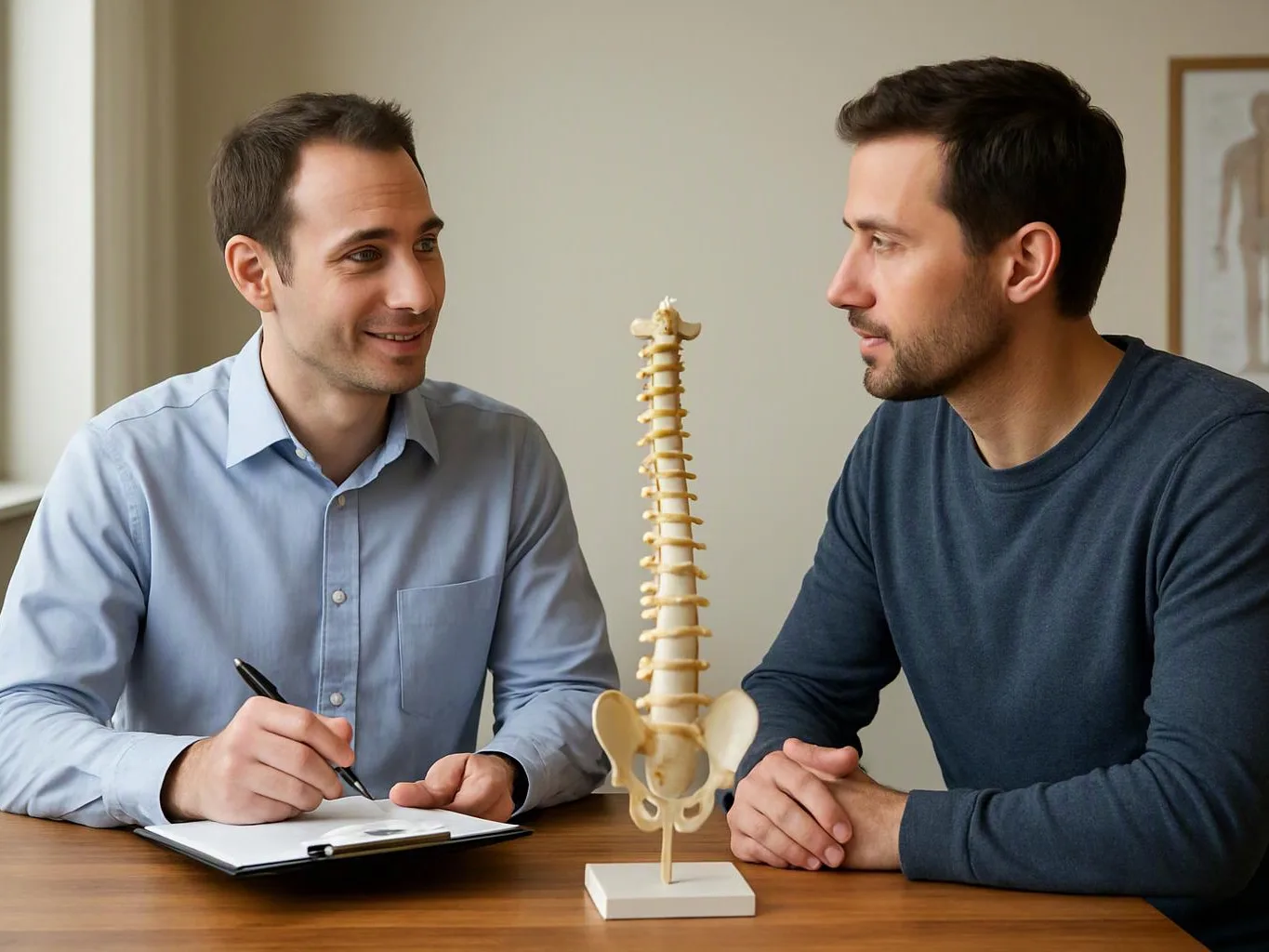
The first visit combines a new patient intake, health history review, exam, and discussion of findings. We assess posture and movement around the painful area. After the assessment, we explain possible adjustments and related care. Your questions guide the treatment planning conversation.
Which symptoms need urgent medical attention?
Severe weakness, loss of sensation, trouble breathing, or signs of a major injury need urgent medical attention. Chiropractic care does not replace emergency medical assessment. Tell us about all symptoms during the consultation. Our team can discuss whether the requested care fits your situation.
Why can back pain continue after an accident?
Back pain can continue when muscles, joints, or spinal movement remain affected after the crash. We review symptom patterns, posture, and movement during the assessment. Disc concerns and sciatica may require closer discussion. Care focuses on findings and goals, and individual response differs.
Which documents should I bring to my first visit?
Accident details, medical records, imaging reports, and a current medication list can help with the first visit. Bring insurance information if you want benefits reviewed. These records give our team more context for your health history. The consultation still begins with your current symptoms and concerns.