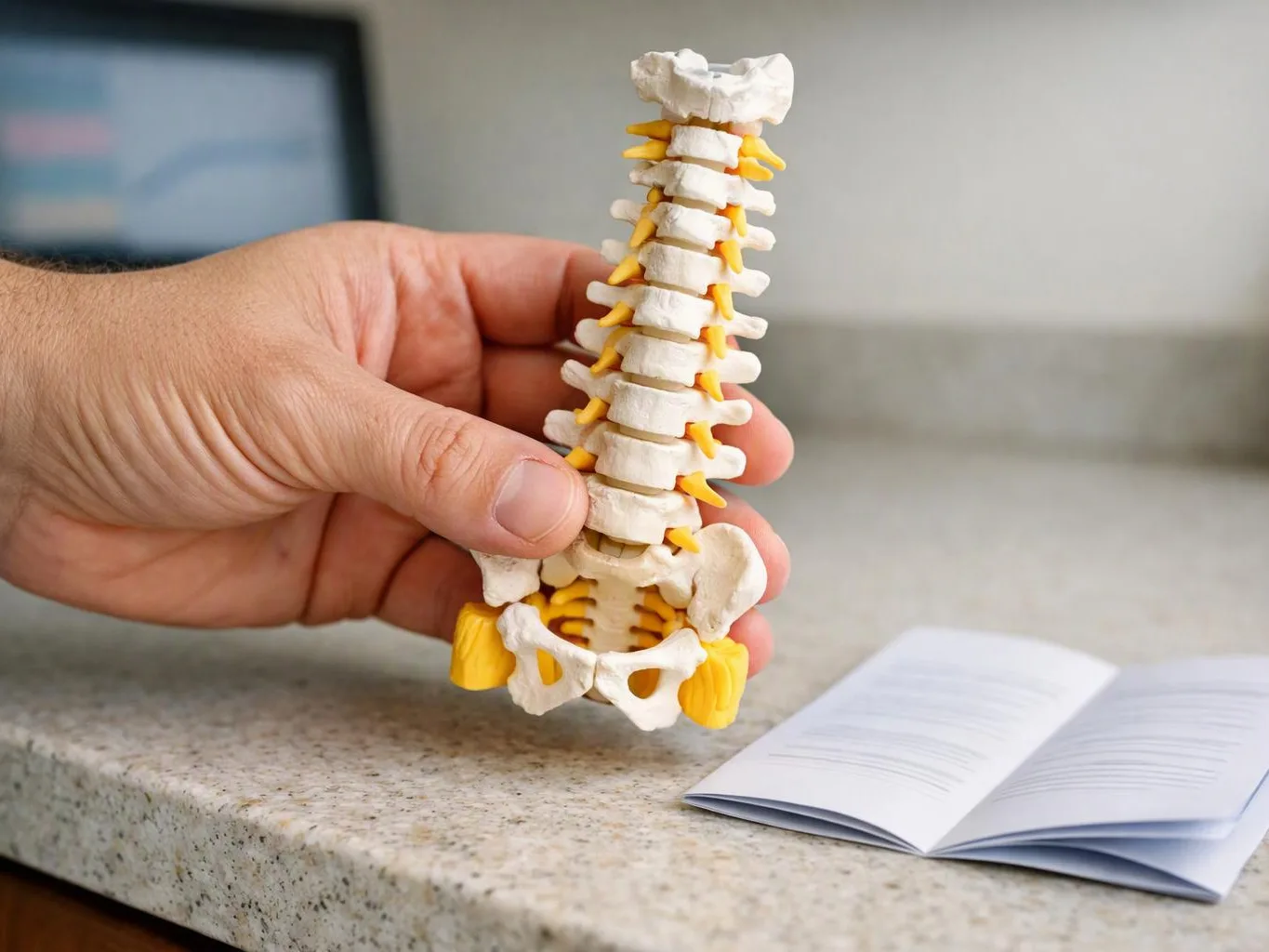
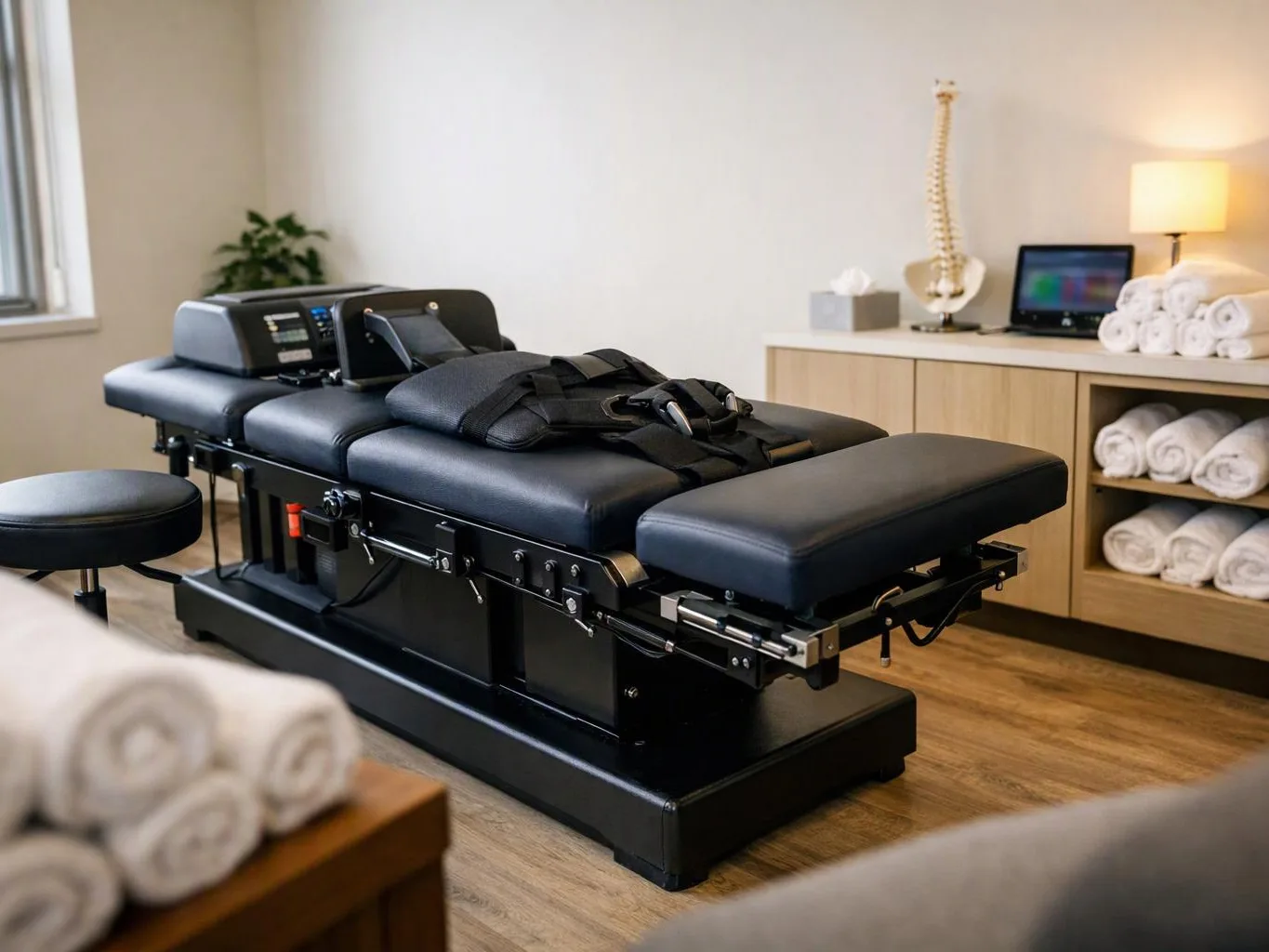
How can chiropractic adjustments help with pain from nerve pressure?
Nerve pressure may relate to restricted joint motion, muscle tension, or another condition, so adjustments focus on movement after an exam. Arrowhead Clinic Chiropractor Riverdale reviews your health history and symptoms first. Care may support joint motion and function, but individual response differs. Severe or changing symptoms may require another form of medical evaluation.
What does the team look at first during an adjustment visit?
The first review covers your health history, symptoms, posture, and movement. We also ask what activities change the discomfort and whether the problem affects daily function. Those findings guide the treatment plan and help us choose whether an adjustment, lifestyle guidance, or another recommendation fits.
What should be checked before an adjustment is scheduled?
A health history and exam should be completed before an adjustment is selected. The review covers current symptoms, past injuries, movement limits, and relevant health concerns. X-rays may be considered if clinically indicated. Our team explains the findings before care, so you understand the planned approach.
Which concerns can chiropractic adjustments address?
Back pain, neck pain, sciatica, headaches, and joint discomfort are concerns we assess for chiropractic care. We also consider posture and muscle tension because they can affect movement. The exam helps determine whether adjustments fit the concern and whether another service or medical referral should be discussed.
When should someone seek medical care instead of an adjustment?
New severe symptoms, major weakness, loss of bladder or bowel control, or serious injury need prompt medical evaluation. Chiropractic adjustments aren't a substitute for urgent medical care. Tell our team about changes in symptoms, and we can explain whether an assessment is appropriate or whether another care path should come first.
Why might neck stiffness return after care?
Neck stiffness may return when posture, repeated activity, muscle tension, or another condition continues to affect movement. Progress reviews help us look at those factors and update the plan. Lifestyle guidance or a wellness maintenance plan may support ongoing function when those options fit your needs.
How does an Activator instrument differ from hands-on adjusting?
An Activator instrument delivers a controlled adjustment through a handheld tool, while diversified technique uses hands-on contact. We select a method after reviewing your history, exam findings, and goals. The chosen approach should match the area being assessed and the care plan we explain before treatment.