Skip to content

Pediatric Chiropractic Care in Hampton, Georgia

Joint irritation needs a careful safety check before care begins in Hampton. We offer Free Consultations so parents can discuss concerns and next steps.

Licensed & InsuredFree ConsultationsSame-Day ServiceUpfront, Transparent Pricing

Quick Summary: Pediatric Chiropractic Care in Hampton, Georgia

Pediatric Chiropractic Care in Hampton is provided by Arrowhead Clinic Chiropractor Riverdale for children and families in Hampton, College Park, Jonesboro, and nearby Georgia communities. Care includes health history review, movement checks, gentle treatment planning, and clear explanations before care.

  • What we do: Arrowhead Clinic Chiropractor Riverdale provides Pediatric Chiropractic Care for children in Hampton, Georgia through health history review, injury screening, movement checks, and individualized treatment planning.
  • What is included: Pediatric chiropractic evaluations, range of motion checks, posture review, soft tissue therapy, gentle chiropractic adjustments, and wellness guidance.
  • What you get: The child receives a clear care plan that matches current symptoms, movement needs, and health goals.

Can pediatric chiropractic care help after a childhood injury?

Yes, pediatric chiropractic care may support movement after a childhood injury when screening shows the treatment is suitable. A careful exam helps identify joint irritation, changes in range of motion, and signs that call for medical referral. Individual response differs, so we explain the findings before care begins.

Pediatric Chiropractic Care for Injury-Related Movement Concerns in Hampton, Georgia

This service is for parents who want a careful review after a child has had a fall, sports strain, or other childhood injury. The visit focuses on what the child feels, how the child moves, and whether chiropractic care fits the situation.

Injury screening comes first. We review the health history and check posture, joint motion, and areas of discomfort. Soft tissue work and gentle adjustments may be considered when the findings support them.

The key decision is suitability. Severe pain, major swelling, loss of function, or signs of a serious injury call for medical assessment before chiropractic care. We explain that boundary clearly and discuss the next step with the parent.

  • Bring a summary of the injury, current symptoms, and changes in daily activity.
  • Note movements that cause discomfort, such as running, sitting, turning, or reaching.
  • Ask how the health history and movement exam shape the treatment plan.
  • Discuss follow-up care and home movement guidance before starting treatment.
A hand reaches toward a folded white towel on a massage table in a warm spa room

Service Overview

Pediatric chiropractic care is a noninvasive health service that reviews a child’s movement and supports spinal and joint function.

  • It differs from emergency injury treatment because it focuses on assessment, gentle care, and movement support after urgent concerns receive proper attention.
  • We provide this care for families in Hampton and nearby Georgia communities.

What Pediatric Chiropractic Care Includes for an Injured Child

Arrowhead Clinic Chiropractor Riverdale provides comprehensive Pediatric Chiropractic Care in Hampton. Here's what you get:

  • We review the child’s health history, injury details, symptoms, and activity changes.
  • We check posture, joint motion, and movement patterns during the examination.
  • We explain whether gentle chiropractic care fits the child’s current needs.
  • We may use soft tissue therapy to address guarded or tight areas.
  • We create a personalized treatment plan based on the examination findings.
  • We discuss wellness guidance and regular maintenance when it suits the child’s goals.

A client scenario this service addresses

A parent in Hampton may seek care after a child reports soreness or avoids a familiar movement following a fall. We review the injury history, screen range of motion, and check whether the child needs medical evaluation before chiropractic treatment. If care is suitable, we explain the plan and discuss practical follow-up at home.

How Our Pediatric Care Approach Helps Parents Decide

Clear screening before treatment

The health history and movement exam come before treatment choices. Our experienced chiropractic care team explains what the findings mean and gives parents a personalized care plan. This service is the wrong fit when a child needs urgent medical care for a serious injury.

Care matched to the child

A child’s age, activity, symptoms, and movement pattern shape the discussion. We use clear treatment explanations before care, so parents understand the purpose of each recommended step.

Support beyond the adjustment

The visit can include posture guidance, soft tissue therapy, movement advice, and wellness recommendations. Regular maintenance is discussed only when it fits the child’s needs and goals.

Process

How We Assess and Plan Pediatric Chiropractic Care

1

Review the injury and health history

We ask what happened, when symptoms began, and which activities now feel difficult. The health history also helps us understand the child’s broader care needs.

2

Check posture and range of motion

We observe posture and simple movements that relate to the parent’s concern. Range of motion checks help us see where movement is limited or guarded.

3

Explain the findings and options

We describe what we found in plain language. Parents receive clear treatment explanations before we discuss gentle adjustments, soft tissue therapy, or other suitable care.

4

Set the personalized care plan

The treatment plan reflects the child’s symptoms, activity needs, and examination findings. We include practical guidance for follow-up and regular maintenance when appropriate.

What Children and Parents Gain From This Care

A structured screening helps parents understand which movement concerns need attention first.

Range of motion checks give the care plan a clear starting point.

Plain explanations help parents make informed choices without unnecessary medical jargon.

Gentle care may support better movement during normal play and daily activity.

Follow-up guidance helps families watch changes and share useful details at later visits.

Choosing the Next Step After a Childhood Injury

These options describe different care needs, so the child’s symptoms and screening findings guide the decision.

Care optionWhen it fitsWhat happens next
Medical assessmentSerious pain, swelling, loss of function, or concern about a major injuryA medical evaluation takes priority before chiropractic care
Pediatric chiropractic consultationA parent wants movement screening after urgent concerns have been addressedWe review history, range of motion, suitability, and care options
Follow-up wellness guidanceThe child’s findings support movement care and ongoing activity supportWe discuss home guidance and regular maintenance when appropriate

The Arrowhead Clinic Chiropractor Riverdale Standard

  • Personalized Adjustments
  • Spinal Decompression
  • Pain Care
  • Injury Treatment

Questions Parents Ask About Pediatric Chiropractic Care

What should a parent ask before agreeing to care?

Parents should ask what the exam found, why a treatment is recommended, and what signs would change the plan. The care plan should explain the purpose of each step in plain language. We also discuss follow-up, activity guidance, and when a medical referral makes more sense. These questions help parents make a safe, informed choice.

Which condition changes the time needed for an injury assessment?

The child’s symptoms, movement limits, health history, and injury details shape the assessment time. A complex history may require more discussion before treatment choices are made. We do not promise a fixed visit length because each child presents differently. Parents can share notes about pain, activity changes, and symptoms before the appointment.

How is care matched to a child before treatment starts?

A child’s care is matched through health history review, movement checks, and a suitability discussion. We consider posture, range of motion, symptoms, and the child’s activity needs. The findings guide whether gentle adjustments, soft tissue therapy, home guidance, or referral is appropriate. Parents receive an explanation before care begins.

When should a child receive medical assessment first?

Medical assessment should come first when a child has severe pain, major swelling, loss of function, or signs of a serious injury. Chiropractic care does not replace urgent injury treatment. We review the reported symptoms and explain when the child needs another level of care before discussing treatment options.

Why does range of motion matter after an injury?

Range of motion shows how freely a child can move a joint after an injury. A change may point to pain, guarding, or reduced movement that needs closer review. We compare the child’s reported concern with observed movement and use that information when discussing a personalized treatment plan.

What does a first visit include for a child?

A first visit includes a health history, injury discussion, movement exam, and explanation of suitable care. Parents can share medical records or other useful information if available. We may discuss posture, soft tissue tension, and follow-up needs. The visit gives parents a clear basis for deciding whether to continue.
Contact

Discuss Pediatric Chiropractic Care in Hampton

A child’s care plan starts with a clear review of symptoms, movement, and injury history. Schedule a Free Consultation with Arrowhead Clinic Chiropractor Riverdale to discuss the next step.

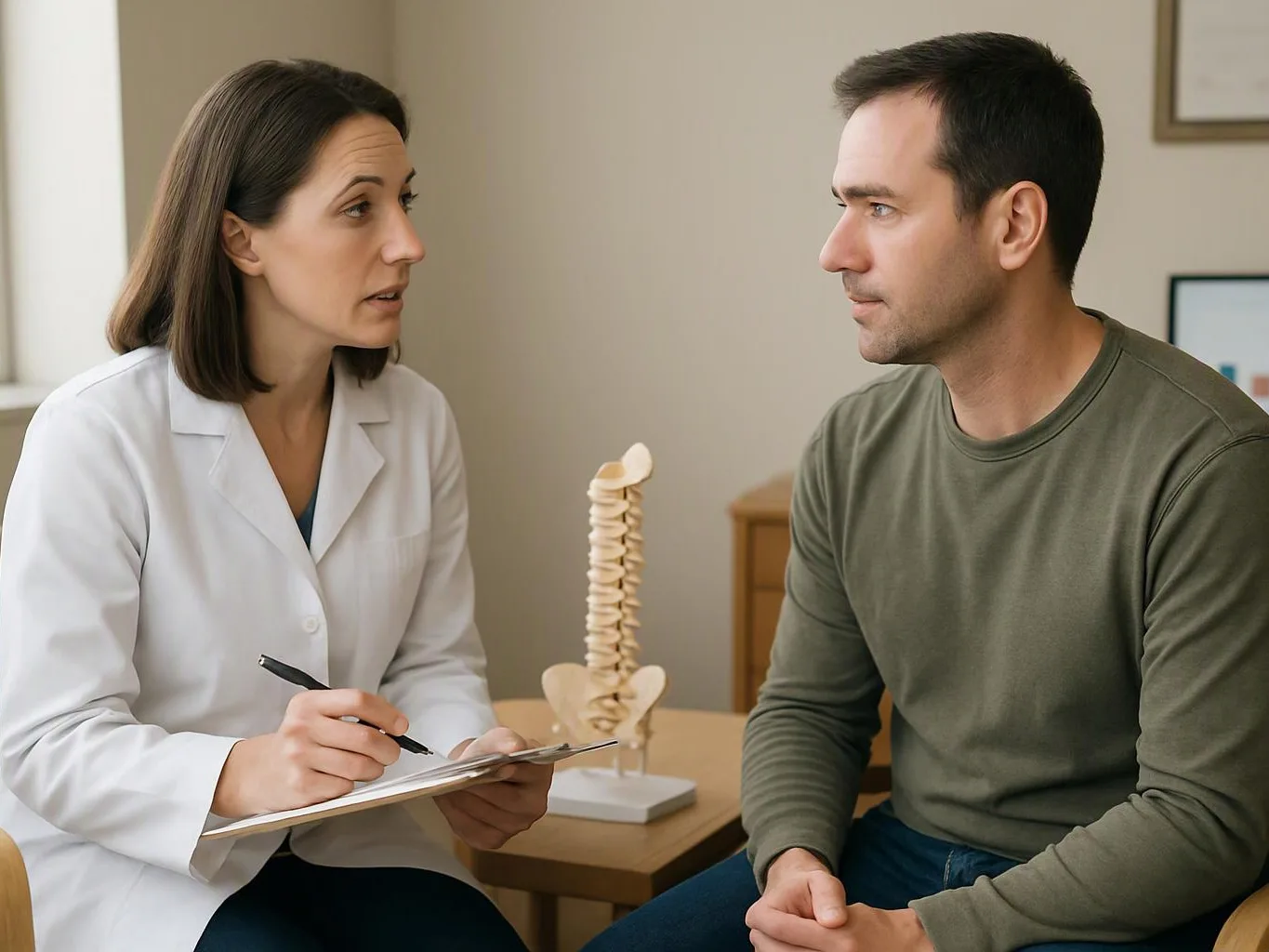
A doctor in a white coat talks with a seated man beside a spine model in a small exam room

ZIP Codes We Serve in Hampton, Georgia

30228

The health and wellness information on this website is for general informational purposes only and is not medical advice. It does not create a provider-patient relationship. Always consult a qualified licensed provider in Riverdale, Georgia, United States about your specific condition before making care decisions. Individual results vary.

(678) 605-9917