Can posture correction reduce neck and shoulder tension?
Muscle tightness can contribute to neck and shoulder tension, and posture correction may help when alignment or movement habits add strain. Arrowhead Clinic Chiropractor Riverdale checks shoulder position, range of motion, and daily activities before recommending care. Individual response differs, so we explain the findings and set realistic expectations during the consultation.
How is posture correction matched to my needs before care starts?
A posture evaluation matches care to your health history, movement patterns, alignment, symptoms, and goals. We review how you sit, stand, work, drive, and move through daily tasks. The treatment plan may include adjustments, soft tissue therapy, lifestyle guidance, or movement retraining when those options fit the assessment.
Which condition changes the time needed for posture correction?
The condition that most affects the visit is the complexity of your movement and alignment concerns. A focused concern may need a different assessment from symptoms linked to an injury, restricted motion, or several body areas. We review the needed steps during the consultation and explain what the plan includes before care begins.
What should be ready before posture correction starts?
Your health history, current concerns, past injuries, and daily activity details should be ready before posture correction starts. Useful examples include notes about screen use, driving, work positions, sleep, and movements that increase tension. These details help our team connect the assessment to your real routine.
Why does posture keep affecting my shoulders after I adjust it?
Repeated daily positions can keep affecting shoulder alignment after a person changes posture briefly. Sitting, screen use, driving, and limited movement may reinforce the same pattern. Our team reviews those habits, checks movement control, and discusses practical retraining so your care addresses more than one moment of standing position.
What does the first posture visit include?
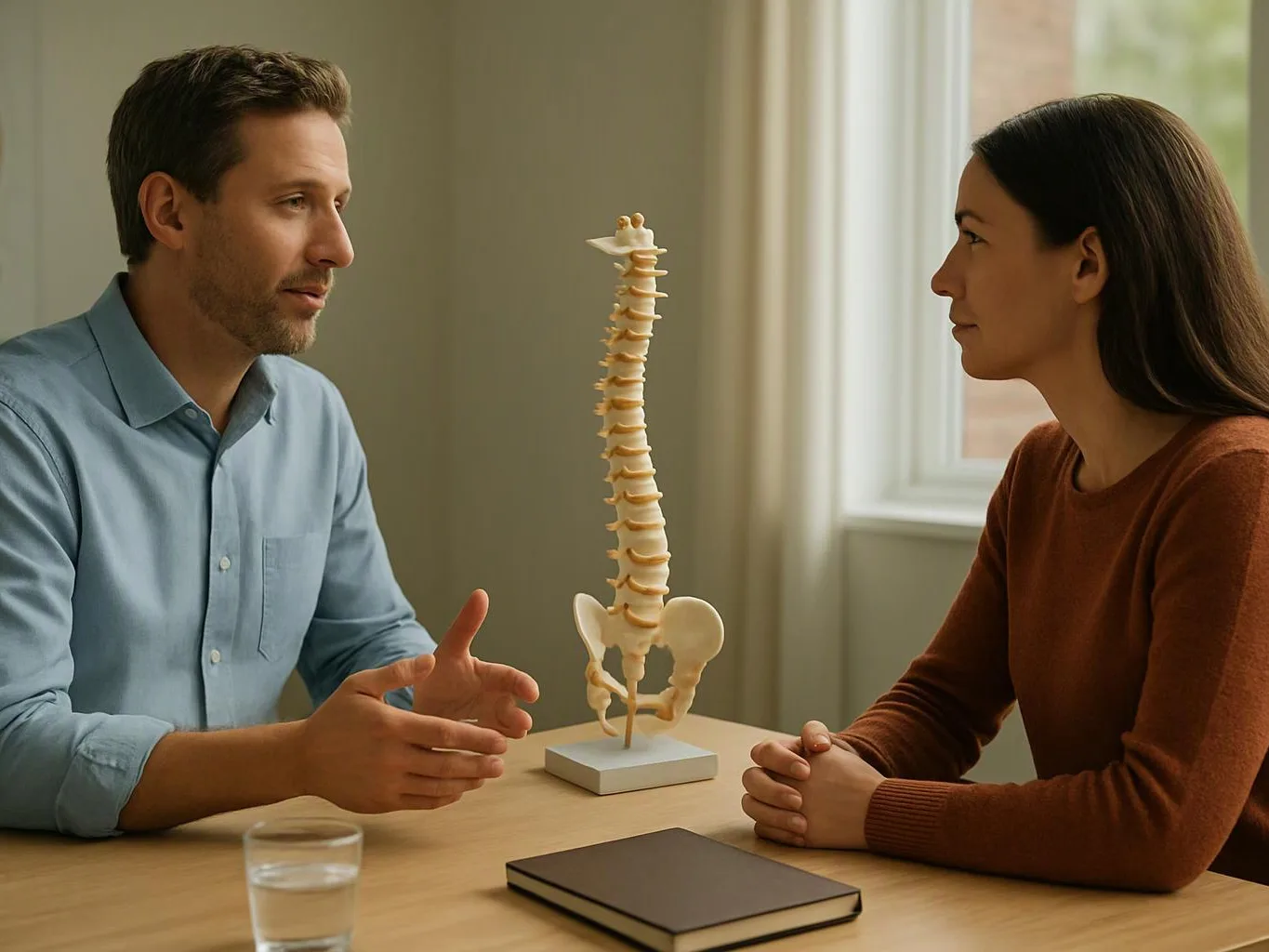
The first posture visit includes a health history, posture evaluation, movement review, and discussion of your goals. We check alignment and range of motion, then explain the findings in plain language. Care recommendations follow that review, and we discuss whether adjustments, soft tissue therapy, or lifestyle guidance fits your needs.