How does posture correction help with back pain?
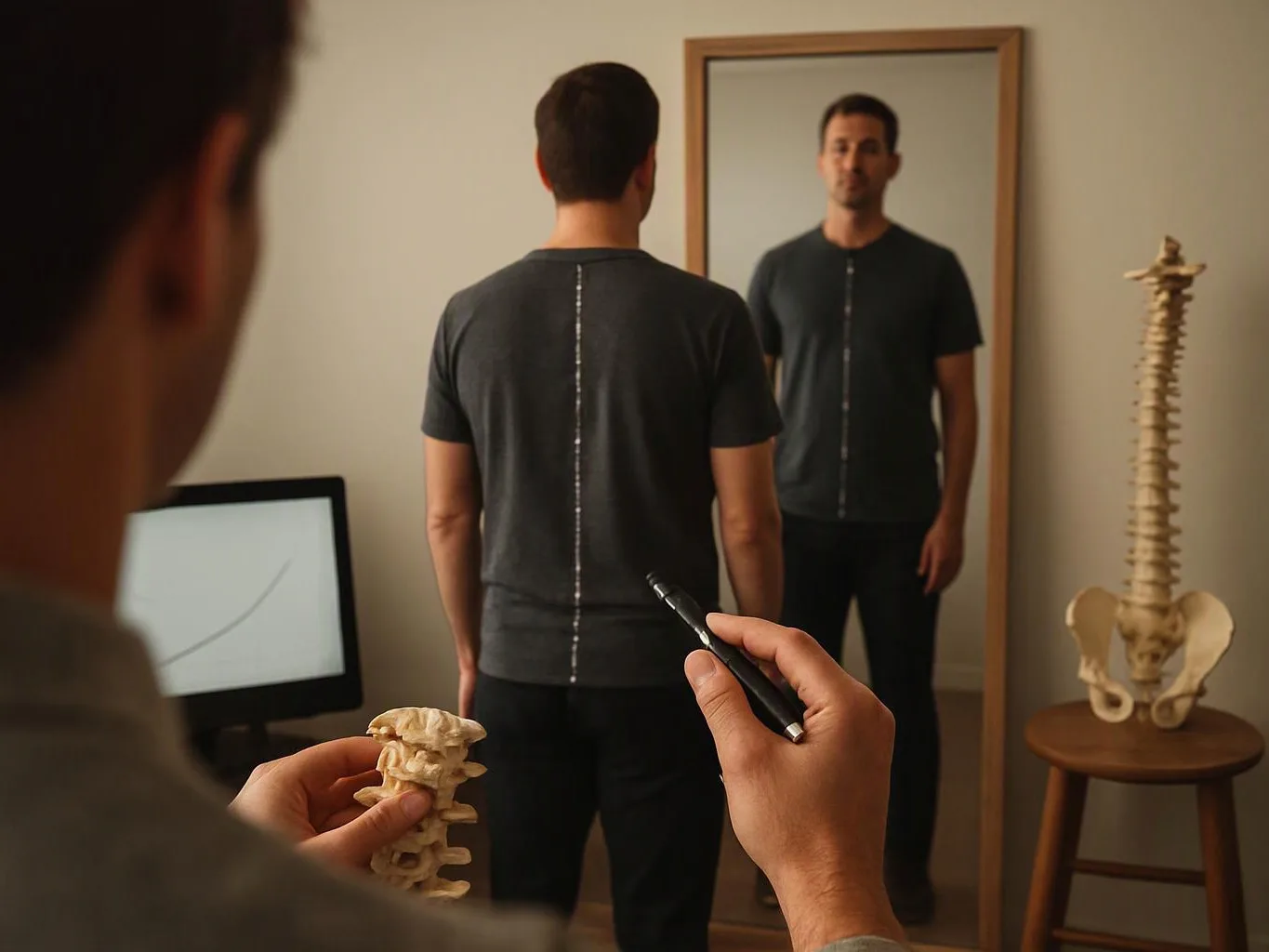
Muscle imbalance can place uneven stress on the back, so posture correction addresses movement patterns and spinal alignment. Arrowhead Clinic Chiropractor Riverdale begins with a posture assessment and health history. Care may include adjustments, core exercise guidance, and lifestyle changes. Individual response differs, and the plan should match the patient’s symptoms and goals.
What should I ask before agreeing to posture care?
Treatment plans should explain the findings, proposed methods, and reason for each step. Ask about the posture assessment, spinal alignment, adjustment approach, home exercises, and progress checks. Patients should also ask which warning signs need medical care. Clear explanations help you decide whether the plan fits your concern.
Which condition changes the time needed for posture assessment?
The patient’s movement limits, symptom pattern, health history, and need for further examination can change the assessment time. A simple posture concern may need a different review than pain after an injury. We gather the right details first, then explain the next step without promising a set duration.
How is posture care matched to my needs before treatment?
A posture assessment, health history, and movement exam guide the treatment plan. We consider back pain, spinal alignment, daily habits, and personal goals before recommending care. Patients receive an explanation before adjustments or exercise guidance begins. X-rays may be considered if clinically indicated.
Can posture work include chiropractic adjustments and exercises?
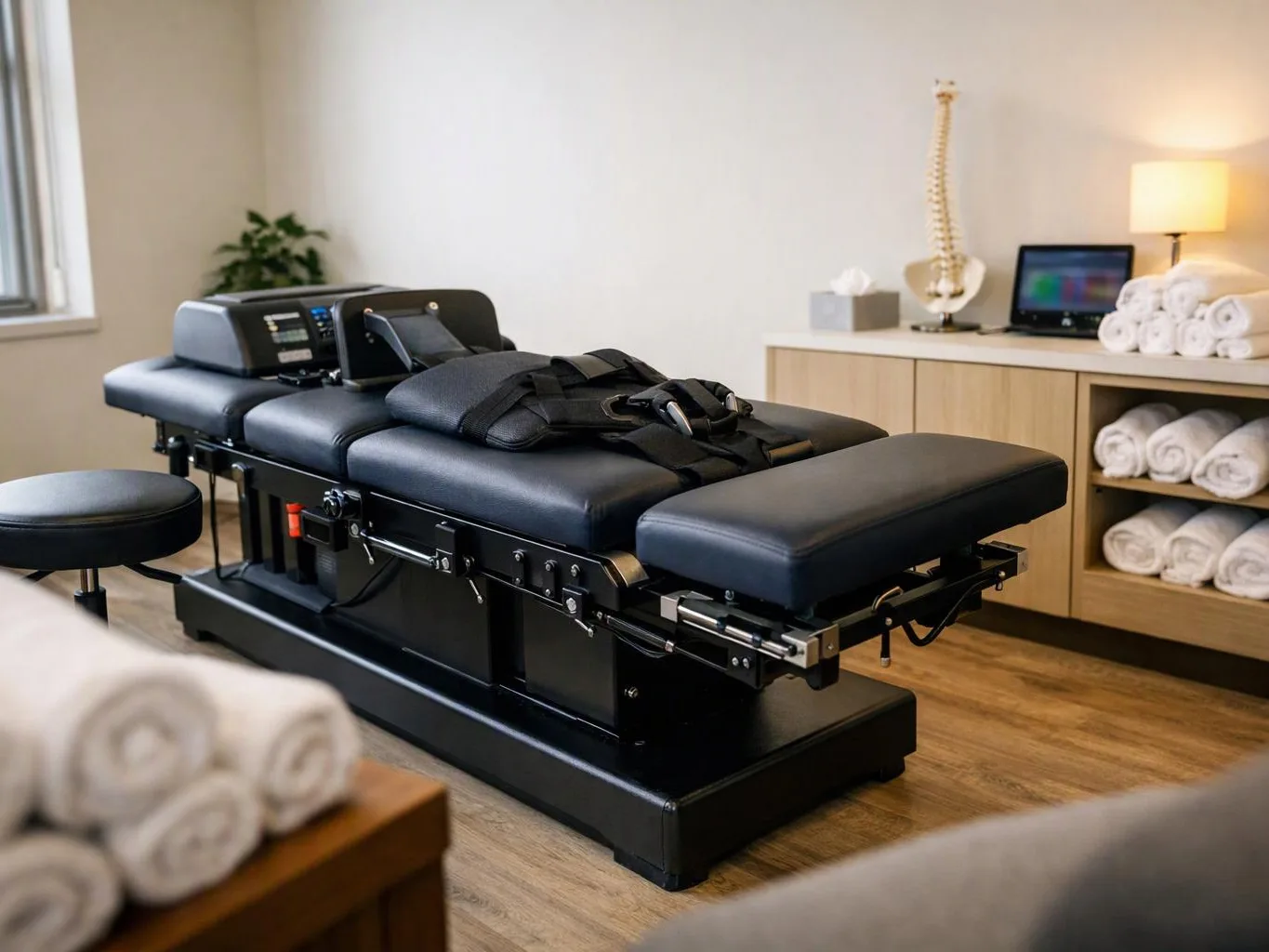
Yes, posture care may include chiropractic adjustments and core exercise guidance when those methods fit the patient. Our team may also discuss lifestyle habits that affect sitting, standing, and movement. The plan depends on the exam and health history. Patients receive instructions before starting each part of care.
When should back pain receive medical attention before posture care?
Sudden weakness, loss of bladder or bowel control, severe injury, or serious worsening symptoms need prompt medical attention. Posture care should not delay urgent evaluation. Patients with ongoing pain can discuss their history during a consultation, and we can help determine whether chiropractic assessment is suitable.
Why does posture seem uneven even when pain is mild?
Uneven posture can reflect movement habits, muscle imbalance, joint limits, or other factors. Mild pain does not show the full cause by itself. We assess posture and movement, then explain whether spinal alignment care or another evaluation fits. A patient’s health history remains part of that decision.