How can I reduce sciatic pain at home?
Hip stretches may support comfort at home when they fit your symptoms and do not increase pain. Gentle walking, supportive sleep positions, and activity changes may also help daily movement. Stop a movement that causes sharp pain, new numbness, or weakness. We can review home guidance during an assessment.
What happens during a first visit for leg pain?
The first visit includes a health history, exam, and explanation of findings before care. We ask about pain location, movement limits, past injuries, and related health concerns. X-rays may be considered when clinically indicated. The visit ends with a discussion of whether a personalized treatment plan fits your goals.
Which part of my daily routine decides the care scope?
Daily movement patterns help shape the care scope. Sitting, lifting, walking, sleep positions, and repeated activities can affect the plan. We compare those details with your exam findings and health history. This helps us decide whether adjustments, posture guidance, activity changes, or another next step fits.
What should I bring to a chiropractic appointment?
Your health history and a list of current symptoms help us plan the visit. Bring relevant medical records, imaging reports, and a list of medicines if available. Note when pain starts and which activities change it. These details help us explain the exam and discuss suitable care.
Why might chiropractic care be the wrong first step?
Severe weakness, loss of bladder or bowel control, or numbness in the groin area needs urgent medical evaluation. Those signs can point to a serious nerve problem. Tell us about new or worsening symptoms before treatment. We can help explain the next step, but urgent warning signs need medical care.
How does a visit move from the first call to the last step?
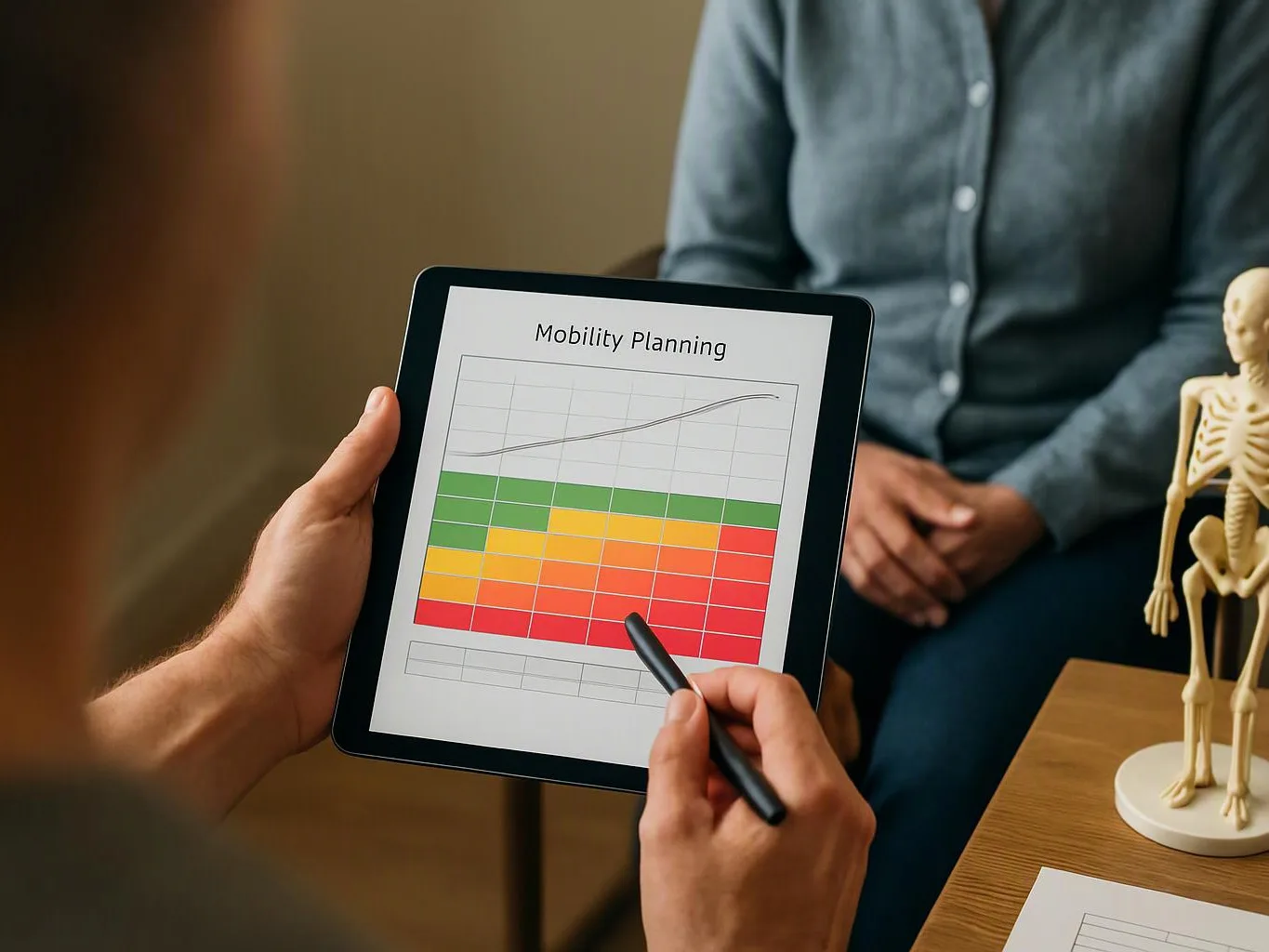
The visit moves from intake and examination to findings, treatment planning, and progress review. We first discuss your symptoms and health history. Next, we check movement and posture, explain care options, and provide guidance that fits your goals. Follow-up visits help us review changes and adjust the plan.
Which activity change can support movement between visits?
Activity modification can reduce strain when a repeated task increases sciatic symptoms. Short, comfortable movement may fit better than pushing through sharp pain. We discuss how work, sitting, walking, and sleep affect your day. Your plan should follow the findings from your exam and your response to care.