Skip to content

Spinal Decompression Therapy in Candler-McAfee, Georgia

Treatment plan changes when replacement needs differ from adjustment needs in Candler-McAfee. We explain the care approach before treatment begins.

Licensed & InsuredFree ConsultationsSame-Day ServiceUpfront, Transparent Pricing

Quick Summary: Spinal decompression care in Candler-McAfee, Georgia

Spinal Decompression Therapy in Candler-McAfee is provided by Arrowhead Clinic Chiropractor Riverdale for back pain, sciatica, and disc-related concerns. The clinic serves Riverdale, College Park, Jonesboro, and nearby Georgia communities with personalized care plans and clear treatment explanations.

  • What we do: Arrowhead Clinic Chiropractor Riverdale provides Spinal Decompression Therapy for patients in Candler-McAfee, Georgia.
  • What is included: We review symptoms, discuss spinal decompression, and build care around patient needs.
  • What you get: The patient receives a clear care direction based on symptoms, health history, and progress checks.

How long does spinal decompression therapy take to help back pain in Candler-McAfee, Georgia?

Treatment plan timing varies because each patient responds differently. Symptom changes, disc-related concerns, health history, and progress checks guide the next care decision.
Spinal Decompression Therapy and treatment planning in Candler-McAfee

Spinal decompression therapy focuses on patients who have back pain, sciatica, or concerns linked to a herniated disc. The work begins with a new patient intake, health history, and exam so we can discuss whether this approach fits your needs.

The main decision is whether traction-based care belongs in your plan. Results vary, and this service isn't the right choice for every symptom or health history. Our experienced chiropractic care team explains the findings before care and tracks progress during treatment.

Patients in Candler-McAfee can request a consultation for a focused discussion about symptoms, goals, and treatment options. The page-specific question is not only whether decompression is available, but whether your symptoms and progress support continuing it.

  • Review the symptoms that bring you to care.
  • Discuss whether traction-based treatment fits your health history.
  • Ask how progress will be checked during care.
  • Understand the treatment choices before scheduling.
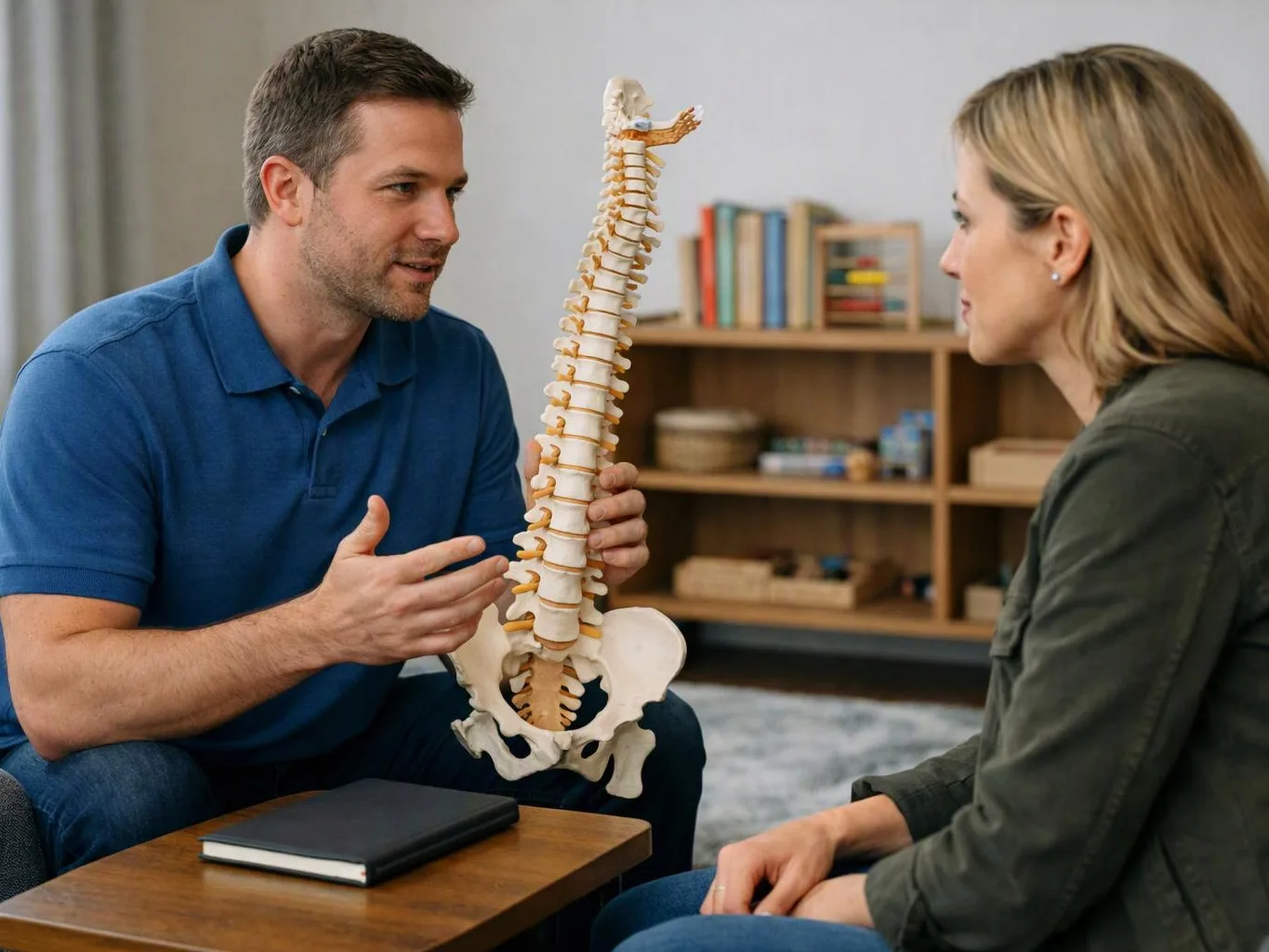
A man shows a spine model to a woman during a seated discussion in a quiet room

Service Overview

Spinal decompression therapy is a noninvasive treatment approach that uses controlled traction to reduce pressure through targeted spinal movement.

  • Spinal decompression differs from a chiropractic adjustment because it uses traction-based movement instead of a brief manual adjustment.
  • Our team provides this care for patients in Candler-McAfee and nearby Georgia communities.

What patients gain from spinal decompression care

Traction-based care may support better movement for some patients.

A focused assessment helps connect symptoms with an appropriate care approach.

Clear explanations help you understand why a treatment option is being considered.

Progress checks help guide decisions when symptoms or goals change.

Noninvasive care may suit patients seeking support without a surgical approach.

What spinal decompression care includes

Arrowhead Clinic Chiropractor Riverdale provides comprehensive Spinal Decompression Therapy in Candler-McAfee. Here's what you get:

  • We complete a new patient intake and review your health history.
  • We discuss back pain, sciatica, neck pain, and disc-related concerns.
  • We explain how traction-based spinal care differs from an adjustment.
  • We create a personalized treatment plan around your needs and goals.
  • We monitor progress and discuss changes during follow-up care.
  • We provide lifestyle and wellness guidance when it fits your care needs.
Process

How spinal decompression care is planned

1

Review your health history

We begin with a new patient intake and discuss symptoms, prior injuries, health concerns, and care goals.

2

Complete the examination

Our team checks movement and related findings. X-rays are considered only when clinically indicated.

3

Explain the care options

We discuss spinal decompression, chiropractic adjustments, and other suitable approaches before treatment begins.

4

Set the care direction

A personalized treatment plan connects the chosen approach with your symptoms and functional goals.

5

Review progress

We discuss symptom changes and progress during care, then adjust the plan when the findings support a change.

How we approach spinal decompression decisions

A plan built around your symptoms

Your symptoms, health history, and goals guide the care discussion. We explain the plan before treatment, and our team provides personalized care plans for patients.

Progress checks guide the next step

We look at symptom changes and functional goals during care. A progress re-examination can help show whether the current approach still fits.

Know when another approach fits better

Spinal decompression may be the wrong choice when the health history or symptoms call for another evaluation. We discuss that concern before care begins.

A situation this service fits

A person who works, drives, or manages family duties may want to know whether decompression fits ongoing back or leg symptoms. We review the health history, explain the treatment choice, and set a practical follow-up discussion before care proceeds.

Spinal decompression and related care choices

These approaches differ in how they move the spine and how we discuss their fit.

Care approachMain methodDecision point
Spinal decompressionControlled traction-based movementConsidered for suitable symptoms and health histories
Chiropractic adjustmentBrief manual spinal movementDiscussed when exam findings and goals support it
Lifestyle guidanceAdvice about posture, movement, and daily habitsUsed when it supports the patient's care goals

The Arrowhead Clinic Chiropractor Riverdale Standard

  • Personalized Adjustments
  • Spinal Decompression
  • Pain Care
  • Injury Treatment

Questions about spinal decompression care

How does a treatment plan affect how long spinal decompression takes to help?

Treatment plan timing depends on symptom changes, health history, and progress checks. Individual response differs, so we don't promise a set duration. Our team reviews your progress and explains whether the current approach still fits. That discussion helps guide the next step without treating time alone as proof of improvement.

What should be checked before spinal decompression is scheduled?

Health history, symptoms, movement findings, and care goals should be checked before scheduling. A new patient intake helps us understand the concern and identify questions that need attention. X-rays may be considered when clinically indicated. We explain the findings and treatment choices before care begins.

What happens at each stage of spinal decompression therapy?

Spinal decompression care moves from assessment to planning, treatment, and progress review.

  1. We review your health history and symptoms.
  2. We complete an exam and discuss suitable care.
  3. We explain the plan before treatment.
  4. We review progress and discuss the next step.

What does the team look at first during spinal decompression care?

The first review covers your symptoms, health history, movement concerns, and goals. That information helps us discuss whether traction-based care fits your situation. We also consider related concerns such as sciatica, back pain, neck pain, or disc irritation before planning treatment.

Which symptoms may lead someone to ask about spinal decompression?

Back pain, sciatica, and disc-related concerns may lead someone to ask about spinal decompression. These symptoms don't decide treatment by themselves. We review the full health history and exam findings before discussing whether traction-based care belongs in the plan.

Why might spinal decompression be the wrong choice for someone?

Spinal decompression may be the wrong choice when the health history or exam findings point toward another type of care. We discuss that possibility before treatment and explain suitable options. Patients should share relevant symptoms, prior injuries, and health concerns during the intake.

Can spinal decompression replace chiropractic adjustments?

Spinal decompression doesn't automatically replace chiropractic adjustments because the two approaches use different methods. Decompression uses traction-based movement, while an adjustment uses a brief manual technique. We explain which option fits the findings and goals discussed during your visit.
Contact

Ask about spinal decompression care in Candler-McAfee

Book a Free Consultation with Arrowhead Clinic Chiropractor Riverdale to discuss your symptoms, health history, and treatment options in Candler-McAfee.

A blank clipboard sits beside a ruler, foam roller, and spine model on a wooden table

Spinal Decompression Therapy in Other Areas

The health and wellness information on this website is for general informational purposes only and is not medical advice. It does not create a provider-patient relationship. Always consult a qualified licensed provider in Riverdale, Georgia, United States about your specific condition before making care decisions. Individual results vary.

(678) 605-9917