Skip to content

Spinal Decompression Therapy in North Druid Hills, Georgia

Persistent back or leg symptoms can point to disc healing needs in North Druid Hills. We explain treatment plans and progress checks before care begins.

Licensed & InsuredFree ConsultationsSame-Day ServiceUpfront, Transparent Pricing

Quick Summary: Spinal Decompression Care in North Druid Hills, Georgia

Spinal decompression therapy in North Druid Hills is provided by Arrowhead Clinic Chiropractor Riverdale for back pain, sciatica, and related disc concerns. Care includes a health history review, treatment planning, and progress monitoring.

  • What we do: Arrowhead Clinic Chiropractor Riverdale provides Spinal Decompression Therapy for patients in North Druid Hills, Georgia, with care focused on disc-related symptoms and movement.
  • What is included: Health history review, spinal decompression, treatment planning, symptom monitoring, and wellness guidance.
  • What you get: The treatment plan gives each patient a clear care path and a way to review progress.

Why do back and leg symptoms keep returning during disc healing?

Recurring back or leg symptoms can reflect several factors, including irritation around a disc, movement limits, or daily strain. A health history review and exam help us decide whether spinal decompression therapy fits. We also track symptom changes so the plan can be adjusted when needed.


Spinal Decompression Therapy for Disc-Related Symptoms in North Druid Hills

This service is for patients who want a careful plan for back pain, sciatica, or symptoms linked to a herniated disc. The key decision is fit, not a promised result. We review your health history, current symptoms, movement, and goals before care begins.

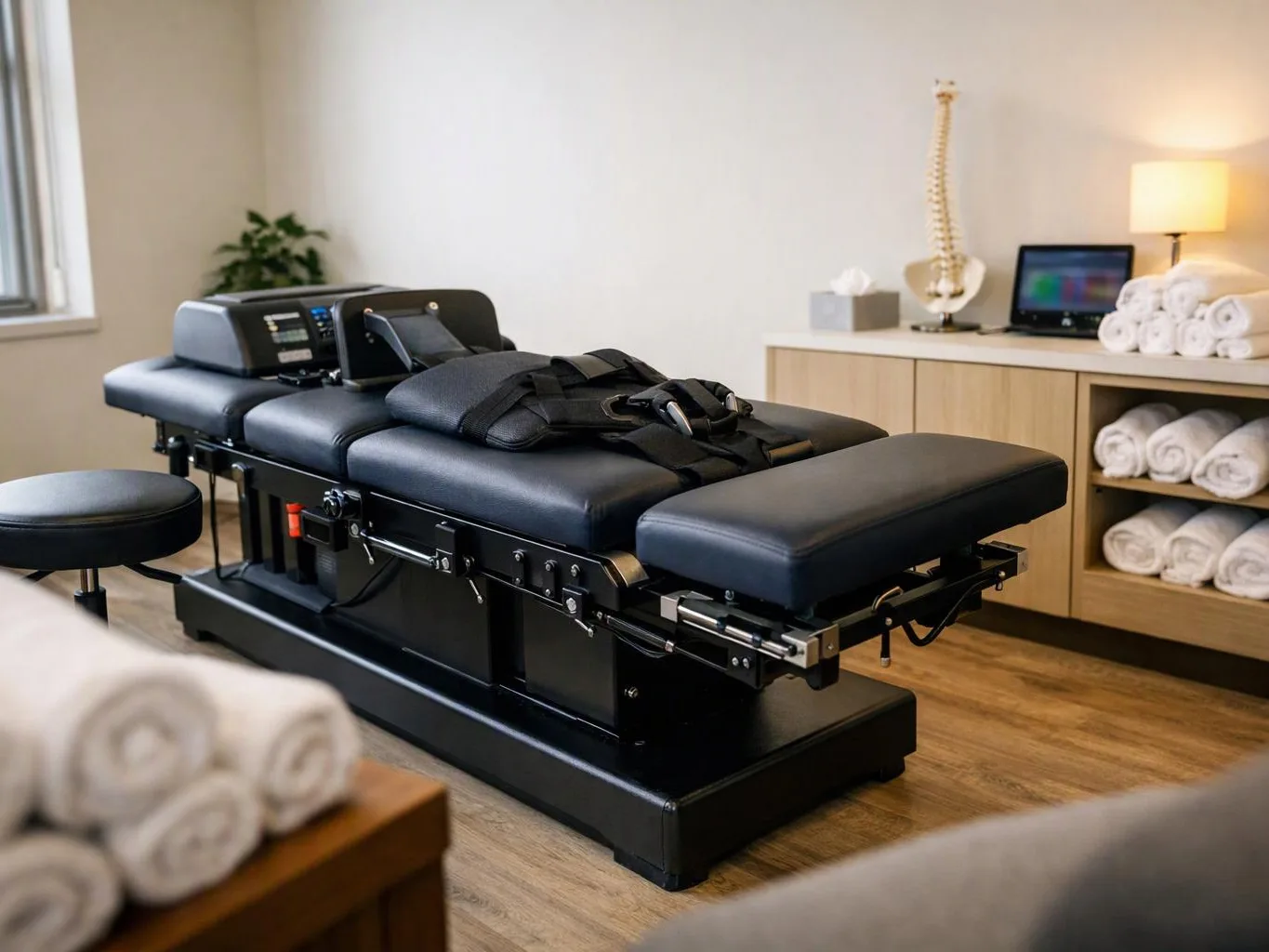
The treatment uses controlled traction on a spinal decompression table. The approach may help reduce strain around sensitive areas, but individual response differs. A chiropractic adjustment, soft tissue therapy, or lifestyle guidance may also be considered when it matches your needs.

North Druid Hills patients receive the same careful assessment used across our service area. The most useful question is whether the treatment matches your symptoms and health history. We monitor progress during care and explain when the plan needs review.

  • Ask how your symptoms affect sitting, standing, walking, and sleep.
  • Bring relevant health information to the new patient intake.
  • Discuss prior injuries, sciatica, herniated disc concerns, and treatment goals.
  • Review how progress will be checked during the treatment plan.
A man in a navy shirt holds an open blue folder in a clinic room with anatomy models and exam tables

Service Overview

Spinal Decompression Therapy is a noninvasive treatment approach that uses controlled unloading to support patients with certain back and disc-related symptoms.

  • Spinal decompression differs from a chiropractic adjustment because it focuses on controlled traction rather than a quick joint adjustment.
  • Our team provides this care for patients in North Druid Hills and nearby communities.

What Patients Should Weigh Before Choosing This Care

A plan based on your symptoms

The first decision is whether your symptoms fit this approach. We review your history and explain the plan before treatment, and we don't promise the same response for every patient.

Progress checks during care

Symptom relief should be reviewed, not assumed. We discuss changes in pain, movement, and daily function during follow-up care.

When another service fits better

Spinal decompression may be the wrong choice when your symptoms need a different clinical evaluation. We use the health history and exam to guide that decision.

Process

How We Plan and Monitor Decompression Care

1

Complete the new patient intake

We record your health history, current symptoms, prior injuries, and care goals.

2

Review symptoms and movement

Our team examines how pain, sciatica, or movement limits affect daily activities.

3

Explain the treatment plan

We discuss controlled traction, possible supporting care, and what progress monitoring will involve.

4

Begin suitable spinal decompression care

When the approach fits, we provide care on a spinal decompression table and explain each step.

5

Monitor symptoms and function

Follow-up discussions track changes in symptoms, movement, and daily function so care can be reviewed.

What This Decompression Care May Change for You

Controlled traction may support movement when back or leg symptoms limit daily activity.

A treatment plan gives you a clearer way to track symptom changes.

Progress monitoring helps us respond when your symptoms or goals change.

Noninvasive care may suit patients who want an approach focused on spinal health.

Personalized guidance can support better movement and everyday self-care.

What Spinal Decompression Therapy Includes for Your Care

Arrowhead Clinic Chiropractor Riverdale provides comprehensive Spinal Decompression Therapy in North Druid Hills. Here's what you get:

  • Your care begins with a new patient intake and health history review.
  • We assess your symptoms, movement, and treatment goals before care.
  • We explain how controlled traction on a spinal decompression table may fit your needs.
  • Your personalized treatment plan identifies the care approach and progress checks.
  • We review symptom changes during follow-up visits and discuss suitable adjustments to care.
  • Lifestyle guidance may support posture, movement, and regular maintenance between visits.

How Decompression Care Differs From Other Chiropractic Approaches

The table shows how common approaches differ by method and main purpose.

Care approachMain methodMain decision point
Spinal decompression therapyControlled traction on a spinal decompression tableWhether disc-related symptoms and goals fit the approach
Chiropractic adjustmentManual or instrument-assisted joint adjustmentWhether joint movement and related symptoms call for adjustment
Soft tissue therapyHands-on work with muscles and related soft tissueWhether muscle tension contributes to movement limits

The Arrowhead Clinic Chiropractor Riverdale Standard

  • Personalized Adjustments
  • Spinal Decompression
  • Pain Care
  • Injury Treatment

Questions Patients Ask About Decompression Care

How long does spinal decompression therapy take to help with disc healing?

Disc healing does not follow a fixed timeline, so results vary by patient. We review symptoms, movement, health history, and progress before judging whether care helps. Follow-up checks show how your body responds and whether the treatment plan needs adjustment. We don't promise a set duration or guaranteed relief.

What changes the time needed for a decompression treatment plan?

A treatment plan takes shape from your symptoms, health history, goals, and progress during care. Prior injuries and movement limits can affect the plan. We review these factors during intake and follow-up visits, then explain the next step. No fixed treatment duration applies to every patient.

Which treatment approach is used during spinal decompression care?

Controlled traction on a spinal decompression table is the main approach used for this service. The table supports a measured unloading process while we follow your treatment plan. Chiropractic adjustments, soft tissue therapy, or lifestyle guidance may also fit when the assessment supports them.

When should I ask whether decompression fits my back pain?

A consultation is the right first step when back pain, sciatica, or disc concerns affect daily movement. We review your symptoms and health history before recommending care. Severe or changing symptoms require prompt medical attention, and our assessment helps determine whether this service is suitable.

Why does symptom relief differ between patients?

Symptom relief differs because each patient has a different history, condition, movement pattern, and treatment goal. We track pain and function during follow-up care instead of assuming the same response. Individual results vary, so the plan may need review as symptoms change.

How does a visit move from the first call to the last step?

A visit moves from consultation and intake to assessment, treatment planning, care, and progress review. We first discuss your symptoms and goals, then examine movement and health history. If the approach fits, we explain controlled traction and monitor changes during follow-up care.

Which warning signs mean I should seek another medical evaluation?

New or severe symptoms that affect strength, sensation, balance, or bladder or bowel control need prompt medical evaluation. Spinal decompression therapy is not a substitute for urgent medical care. Tell us about all symptoms during intake so we can discuss the safest next step.
Contact

Discuss Spinal Decompression Therapy in North Druid Hills

Book a Free Consultation to discuss your symptoms, treatment goals, and progress questions. After you reach out, we can review your concerns, arrange the next visit, and explain what the first assessment covers.

A man in a blue shirt writes in a notebook inside a medical exam room

Spinal Decompression Therapy in Other Areas

The health and wellness information on this website is for general informational purposes only and is not medical advice. It does not create a provider-patient relationship. Always consult a qualified licensed provider in Riverdale, Georgia, United States about your specific condition before making care decisions. Individual results vary.

(678) 605-9917