When should I seek care after a workplace accident?
Inflammation control should be discussed after an accident when pain, swelling, stiffness, or movement changes begin. Arrowhead Clinic Chiropractor Riverdale reviews the injury and symptoms before care. Bring details about the accident and any records available. Severe weakness, loss of balance, or serious trauma calls for urgent medical evaluation.
How does the first injury evaluation work?
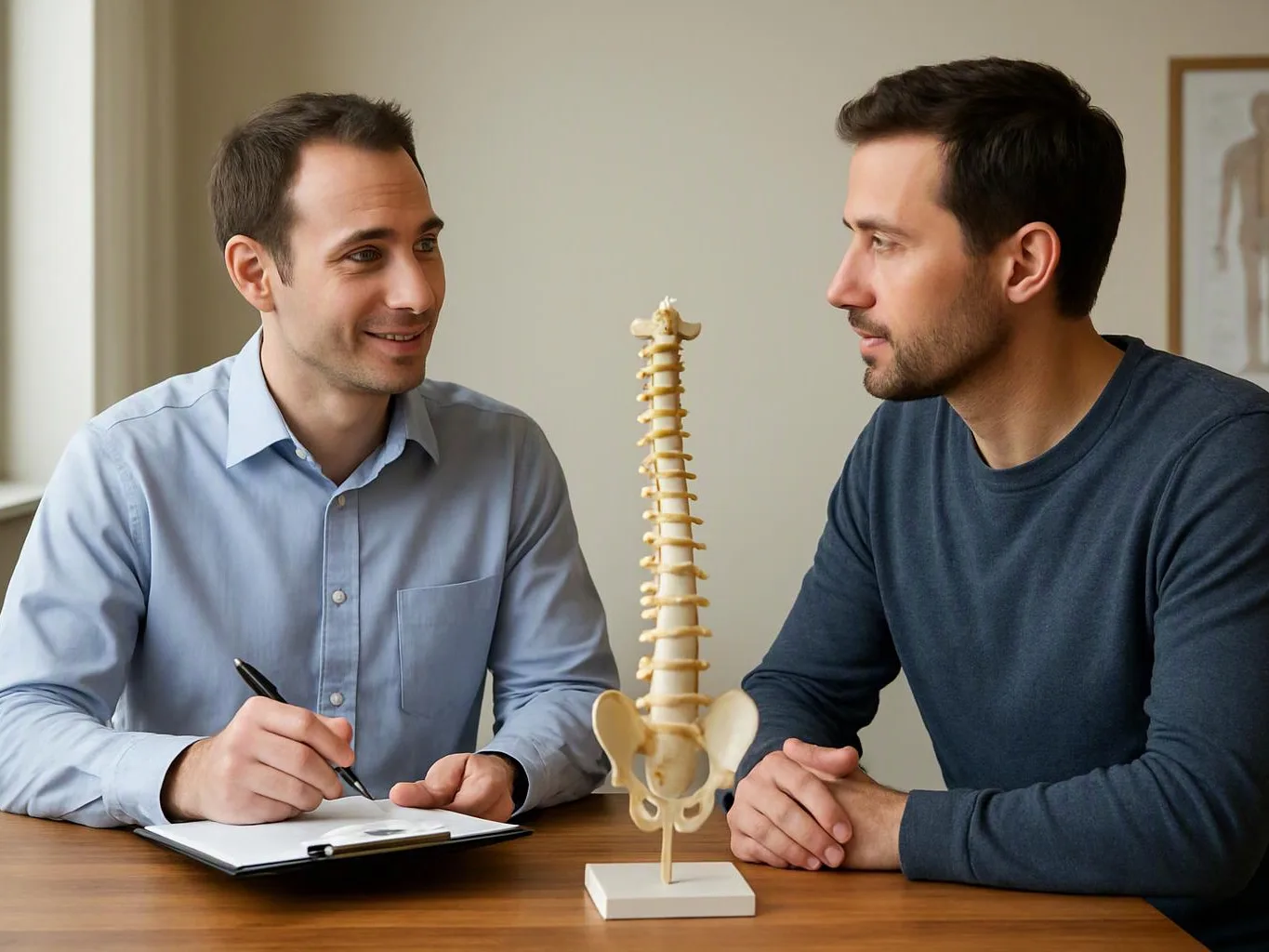
The first evaluation reviews the accident, health history, symptoms, posture, and range of motion. We then explain what the exam shows and whether chiropractic care fits. The visit may also address back pain, neck pain, sciatica, or headaches linked to the workplace injury.
What signs suggest nerve irritation after an injury?
Numbness, tingling, burning pain, or weakness can suggest nerve irritation after an injury. We check the symptom pattern, movement, and strength during the exam. New or worsening weakness needs prompt medical attention, while other symptoms can be discussed during a consultation.
Which part of the injury decides the care plan?
The injured area, movement limits, symptom pattern, and health history shape the care plan. A back injury may need a different adjustment approach than neck pain or shoulder pain. We explain the findings before choosing care, and individual response differs.
How can I tell whether chiropractic care fits my injury?
Chiropractic care may fit when an exam connects the injury with spinal pain, stiffness, or limited movement. We check symptoms, posture, range of motion, and nerve signs first. Serious trauma or severe neurological changes require medical evaluation before chiropractic treatment.
What should I bring to a work injury consultation?
The accident details, symptom notes, health history, and available medical records help us assess the injury. Include information about pain changes, numbness, and movements that feel limited. These details support a clearer discussion of treatment options and next steps.
Why might follow-up checks matter after an adjustment?
Follow-up checks show how movement and symptoms respond to care. We compare changes in range of motion, tenderness, posture, and nerve-related complaints. The findings help guide ongoing treatment planning and wellness guidance without promising a specific result.