Active Release Technique is a patented soft-tissue treatment method that combines precise movement and manual pressure to break up scar tissue and adhesions in muscles, tendons. And ligaments. Active Release Technique aims to restore pain-free motion, improve flexibility. And accelerate recovery from injuries like strains, sprains. And repetitive stress disorders.
Category
Soft-tissue therapy
Used for
Muscle, tendon. And ligament injuries
Common confusion
Often mistaken for massage or general stretching
Also called
ART
Often discussed with
Sports Injury Chiropractic Care, Car Accident Injury Rehabilitation

ART is a hands-on treatment. A chiropractor named Dr. P. Michael Leahy made it in the 1980s.
Related glossary terms: Soft Tissue Therapy, Chiropractic Adjustment, Physical Rehabilitation.
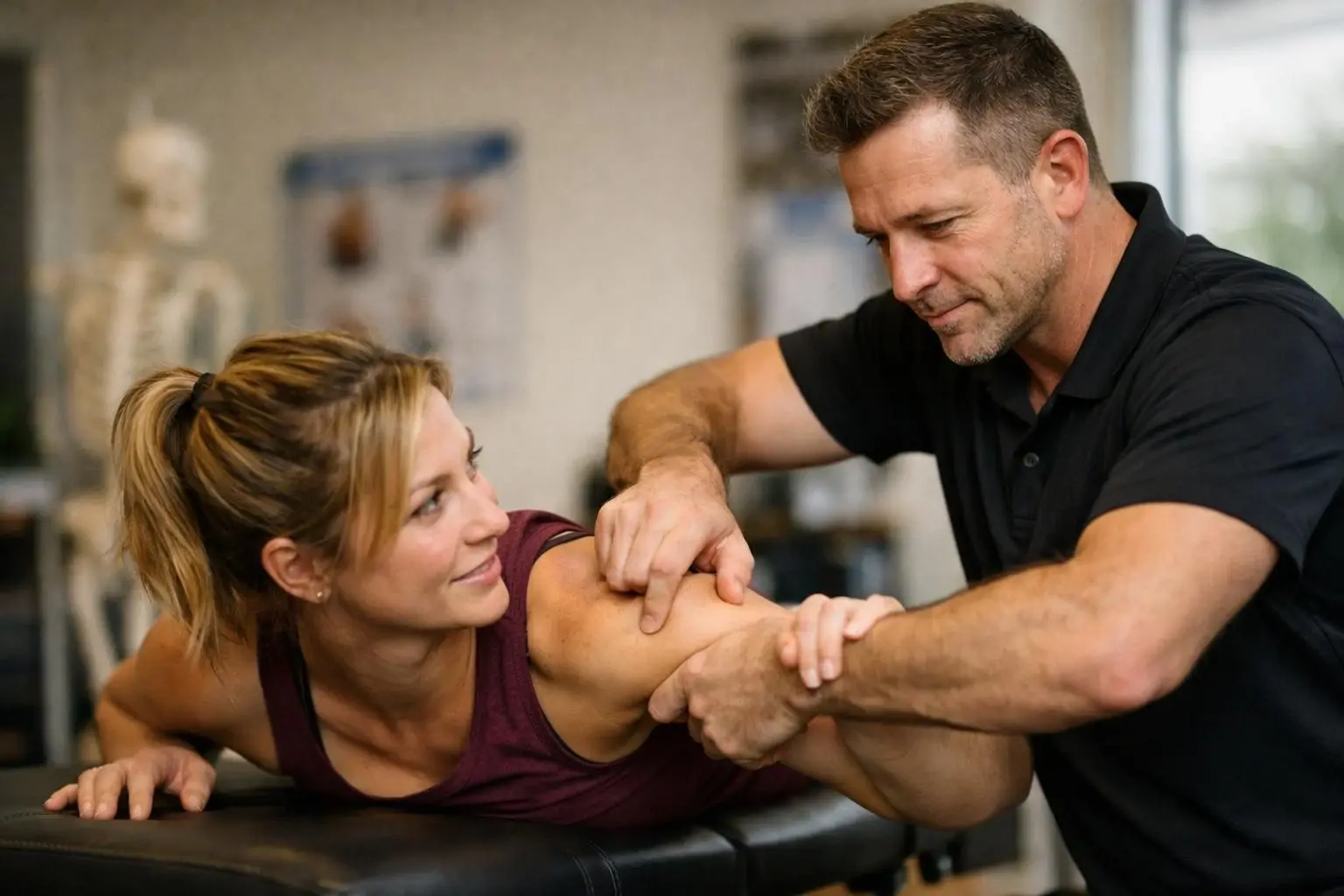
It's not like regular massage or stretching. A trained provider guides specific moves.
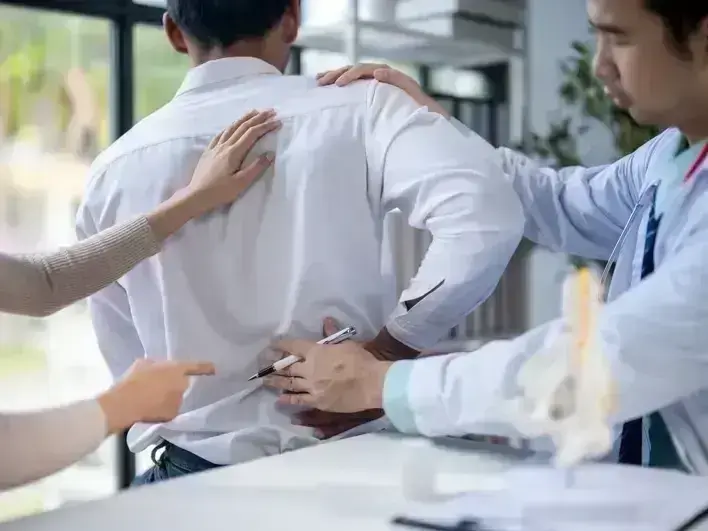
The provider presses on tight or hurt spots. You move the body part at the same time.
This mix breaks up adhesions. Adhesions are bands of scar tissue. They form after injuries.
ART helps your body work normally again.
ART helps with many problems. These include carpal tunnel (wrist pain) and plantar fasciitis (foot pain).
It also helps with tennis elbow and shoulder impingement (shoulder pain). Athletes and workers like it too.
They often get hurt from doing the same thing over and over. Scar tissue blocks blood flow and nerves.
This causes pain, stiffness. And weakness. ART breaks up the scar tissue.
It helps you move better, hurts less. And heals faster.
The ART process starts with a check-up. The provider watches how you move.
They find spots where tissue is tight. Then they press on those spots.
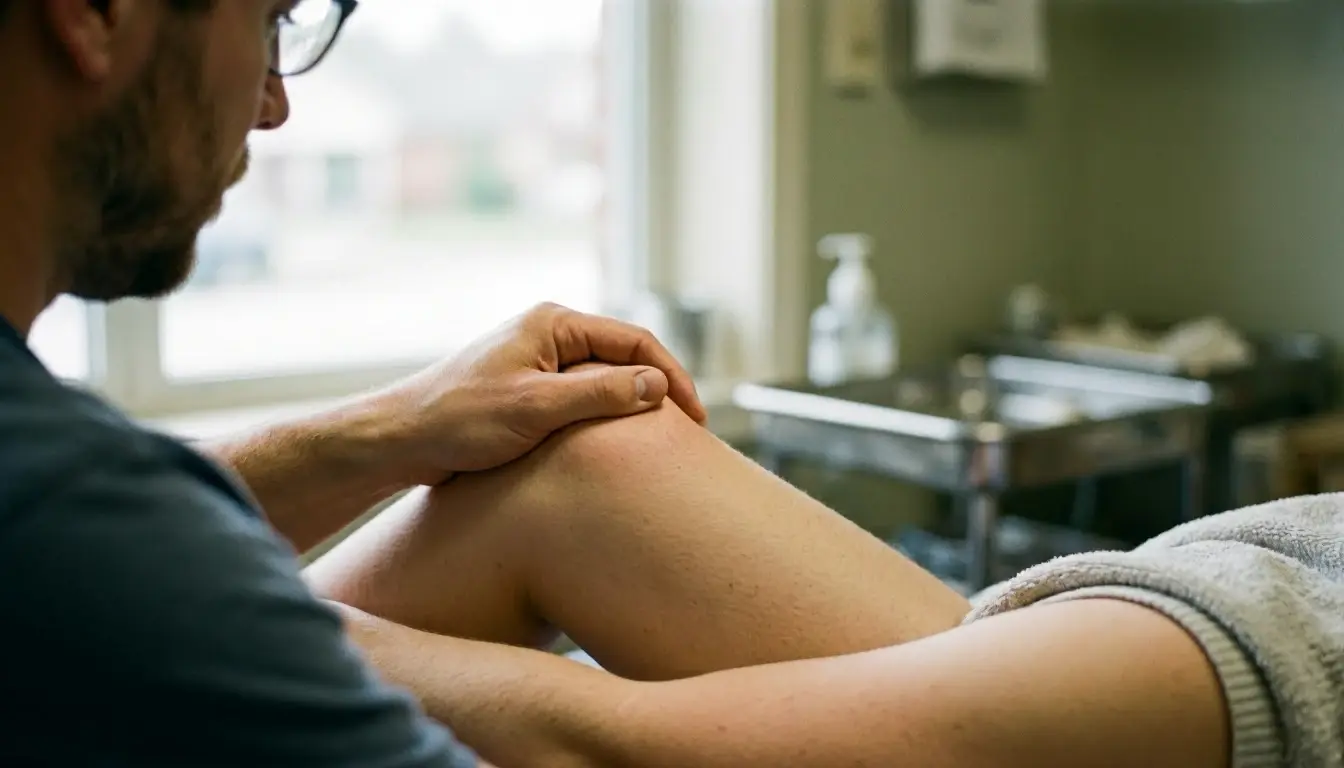
You move the hurt area while they press. For example, they might press your hamstring.
You bend and straighten your knee. This helps break up the tight fibers.
The tissue can move freely again.
ART sessions last 10 to 30 minutes. It depends on the area being treated.
Most people need more than one session. This is true for long-term problems.
Providers must train and get certified. They learn about the body and how it moves.
ART is not like other treatments. You help with your own healing.
This makes it active and interactive.

ART helps with a big cause of pain. That cause is scar tissue and adhesions.
Many injuries make tiny tears in your body. This happens from sports, work. Or daily life.
Your body fixes these tears. It makes scar tissue.
But scar tissue can stick things together. This limits how you move.
Over time, it causes pain and stiffness. ART breaks up these sticky spots.
It helps your body work right again. You don't need surgery or medicine.
ART can change things for athletes. It keeps them flexible.
It helps them recover faster after workouts. It stops injuries from lasting too long.
For office workers, ART helps too. It eases pain from typing or lifting.
Better movement means better posture. It also lowers the risk of new injuries.
ART works best for certain problems. These include pain or trouble moving.
Scar tissue or adhesions cause these issues. ART helps with new injuries like sprains.
It also helps with long-term problems. These include tendonitis (tendon pain) and pinched nerves.
ART helps when rest, ice. Or therapy don't work. It's good before or after surgery too.
It makes tissue better and reduces stiffness.
ART is used in sports medicine. It's also used in work injury care and chiropractic care.
Athletes use it to recover from games. Workers use it for strain injuries.
In Riverdale, GA, many people stay active. Others sit at desks all day.
ART helps both groups. It eases pain from daily routines.
It helps after car accidents or sports injuries. It also helps with long-term pain.
ART gives a focused way to heal.
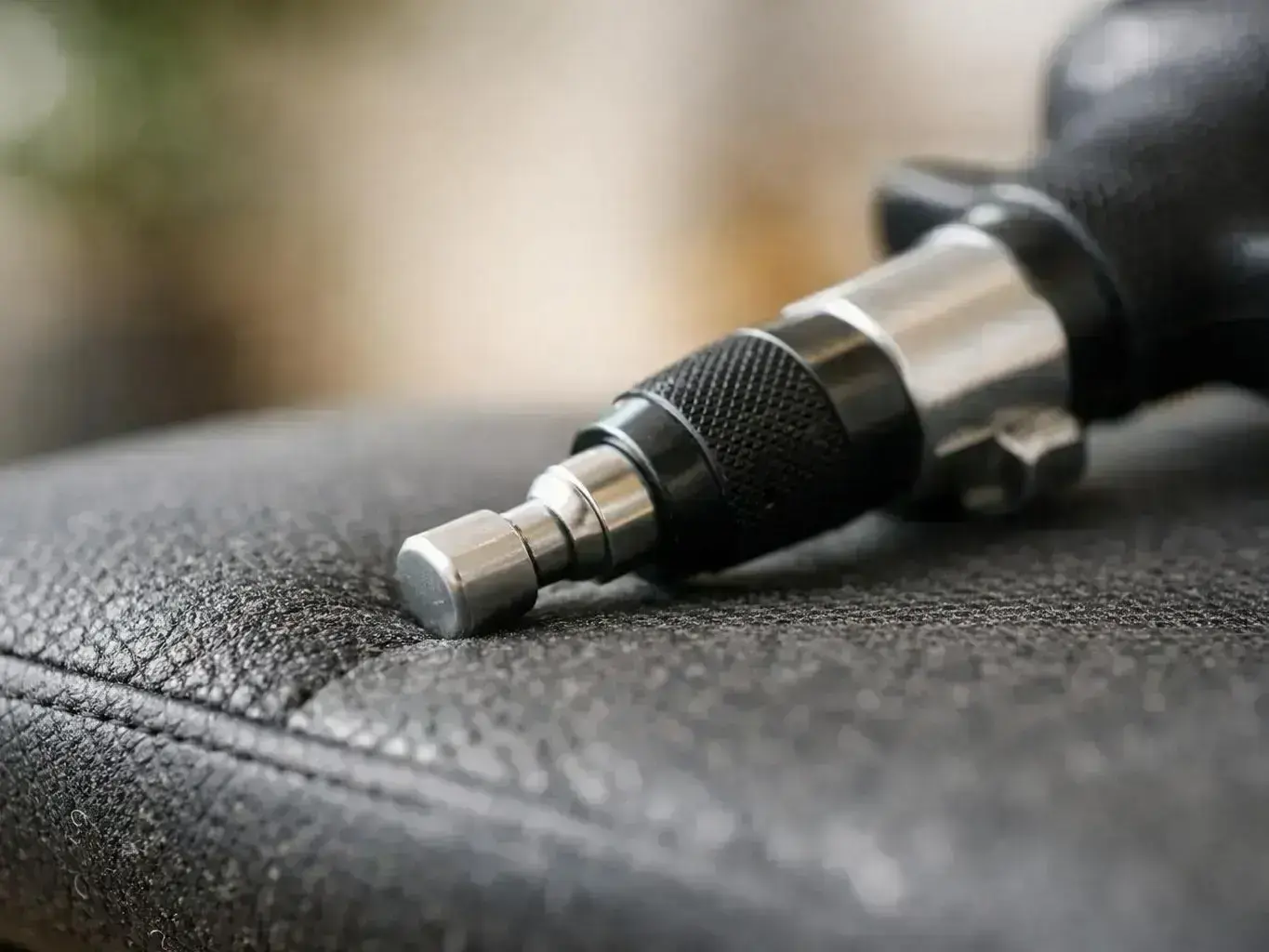
Graston Technique uses metal tools to scrape and break up scar tissue. While Active Release Technique relies on hands-on pressure and patient movement.
Deep tissue massage focuses on relaxing tight muscles through sustained pressure. While Active Release Technique combines pressure with specific movements to release adhesions.
Trigger point therapy targets hyperirritable knots in muscles, whereas Active Release Technique addresses adhesions in muscles, tendons. And ligaments.
Active Release Technique is most effective when combined with rehabilitation exercises. After breaking up adhesions, patients need to strengthen and retrain the affected tissues to prevent recurrence. Always follow post-treatment advice from your provider.
A runner in Riverdale, GA, develops plantar fasciitis after increasing their training mileage. Their foot pain worsens with each step, making running difficult. After trying rest and ice without relief, they visit a chiropractor certified in Active Release Technique. During treatment, the provider applies pressure to the arch of the foot while the runner moves their toes and ankle. After three sessions, the runner notices reduced pain and improved flexibility, allowing them to return to training.
Soft Tissue Therapy is a hands-on treatment that targets muscles, tendons, ligaments. And fascia to reduce pain, improve mobility. And speed healing. Soft Tissue Therapy techniques include massage, stretching. And pressure to break up scar tissue, release tension. And restore normal function without surgery or medication.
Chiropractic Adjustment is a hands-on procedure where a licensed chiropractor applies controlled force to specific joints, usually in the spine, to improve alignment, reduce pain. And restore movement. Chiropractic Adjustments aim to support the body’s natural healing without surgery or medication. They're commonly used for back pain, neck pain, headaches.
Physical Rehabilitation is a structured process that helps individuals regain strength, mobility. And function after injury, surgery. Or illness. It combines exercises, manual therapy. And education to reduce pain, restore movement. And prevent further health problems. Physical Rehabilitation is often guided by healthcare professionals like chiropractors, physical therapists.
Trigger Point Therapy is a manual treatment method that targets tight knots in muscles, called trigger points, which cause pain and stiffness. A trained provider applies focused pressure to these points to release tension, improve blood flow. And restore normal muscle function. This therapy is often used to relieve chronic pain, headaches.
Graston Technique is a form of instrument-assisted soft tissue mobilization used by chiropractors, physical therapists. And sports medicine professionals. Graston Technique involves specialized stainless-steel tools to detect and treat scar tissue, fascial restrictions. And muscle tightness, helping improve range of motion and reduce pain after injuries or chronic conditions.
ChiropractorRiverdale.link
Contact ChiropractorRiverdale.link for practical guidance on Active Release Technique and related chiropractor work in Riverdale.