Chiropractic School is an educational institution that trains students to become licensed chiropractors. Chiropractic Schools teach anatomy, spinal health, manual adjustments. And patient care over 3-4 years of graduate-level coursework. Graduates must pass national board exams to practice legally.
Category
Graduate health profession education
Used for
Training future chiropractors
Common confusion
Different from medical school; chiropractors do not prescribe drugs or perform surgery
Also called
Chiropractic College, Chiropractic Program

Chiropractic School is a special program. It trains students to be licensed chiropractors. It's not like medical school.
Related glossary terms: Chiropractic License, National Board of Chiropractic Examiners, Chiropractic Adjustment.
Medical school teaches doctors to use drugs and surgery. Chiropractic School focuses on different things. It teaches how to find and fix muscle and bone problems.
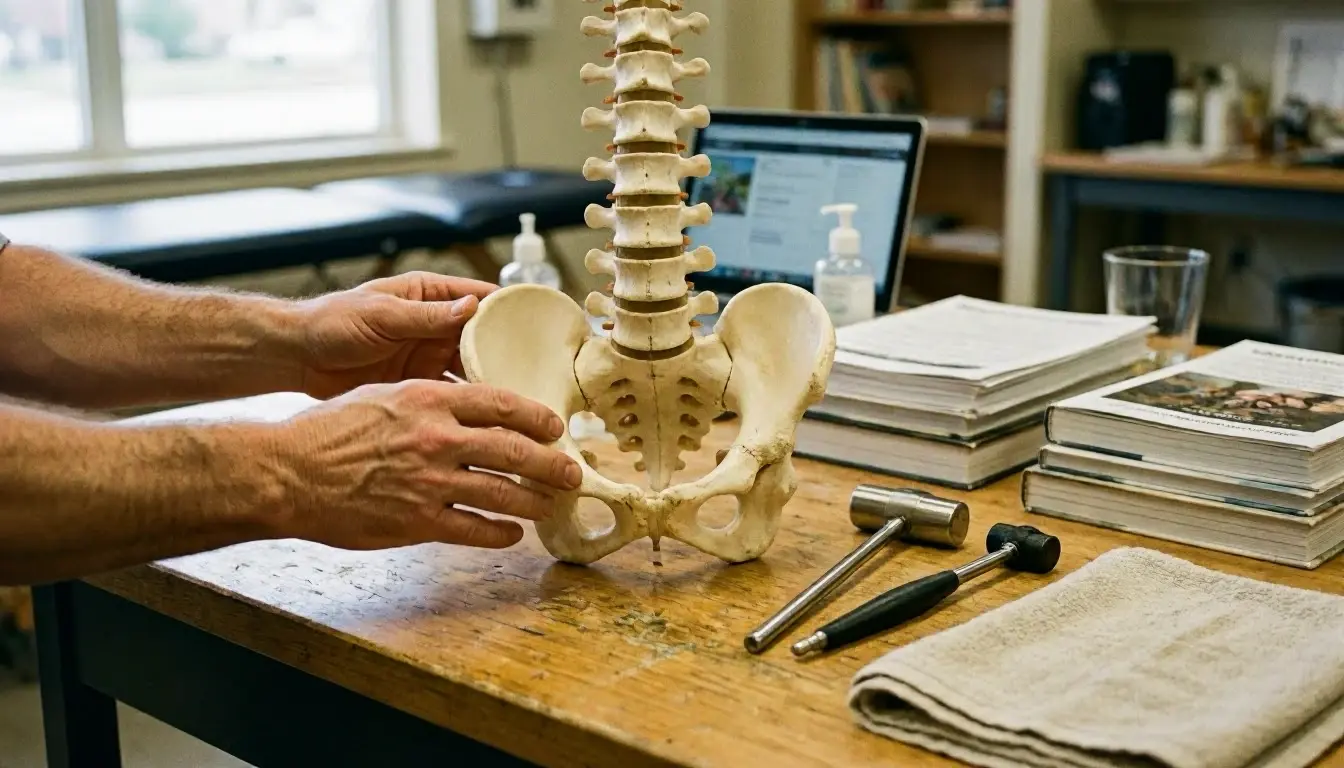
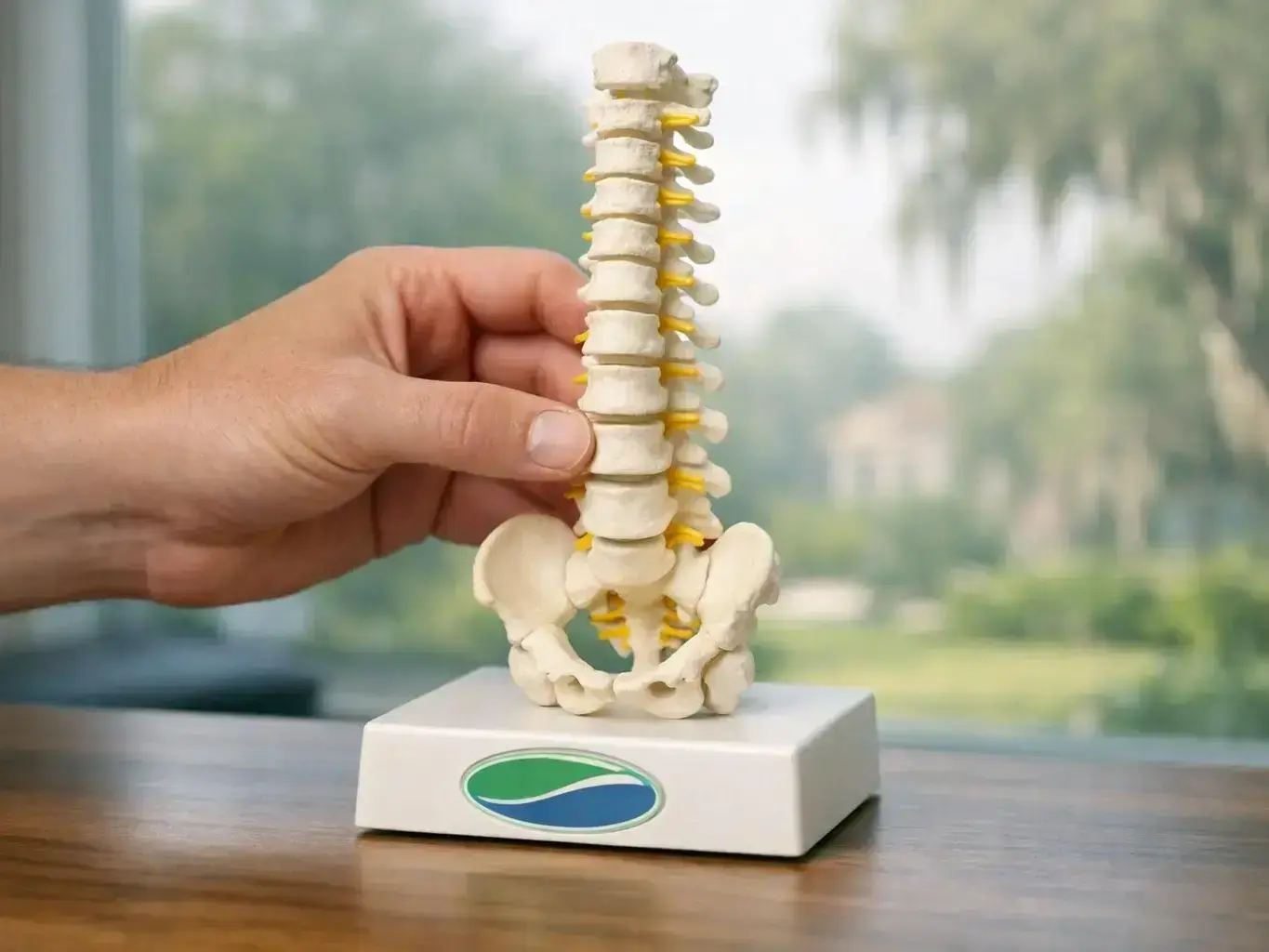
Students learn about the spine and joints. They also learn about the nervous system. These all work together to keep you healthy.
The classes cover many topics. These include anatomy (body parts) and physiology (how the body works). They also study neurology (nerves), radiology (X-rays). And hands-on fixes.
Chiropractic Schools in the U.S. Must meet rules. The Council on Chiropractic Education (CCE) sets these rules. The CCE checks the classes, teachers. And buildings.
Most programs take 3-4 years. You need a college degree first. The first two years are classes and labs.
The last years are clinics. Students treat real patients. A licensed chiropractor watches them.
This mix of school and practice gets graduates ready. They learn to give safe and helpful care.
Chiropractic School has a clear plan. It builds skills step by step. Students start with basic classes.
They study anatomy (body parts) and biochemistry (body chemicals). They also learn about diseases. This helps them understand how the body works.
Later, they study chiropractic topics. These include spinal biomechanics (how the spine moves). They also learn how to diagnose problems and fix them.
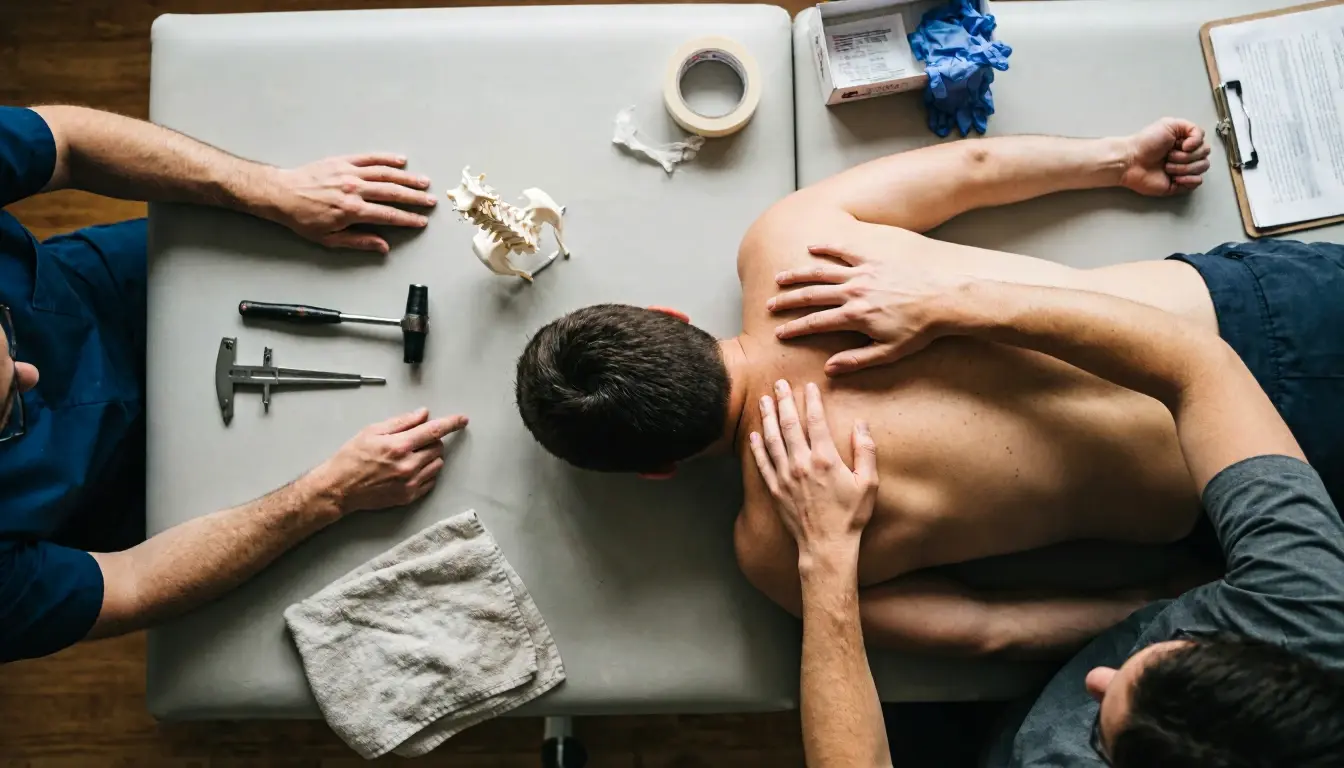
Labs let students practice. They work on models and each other. This happens before they see real patients.
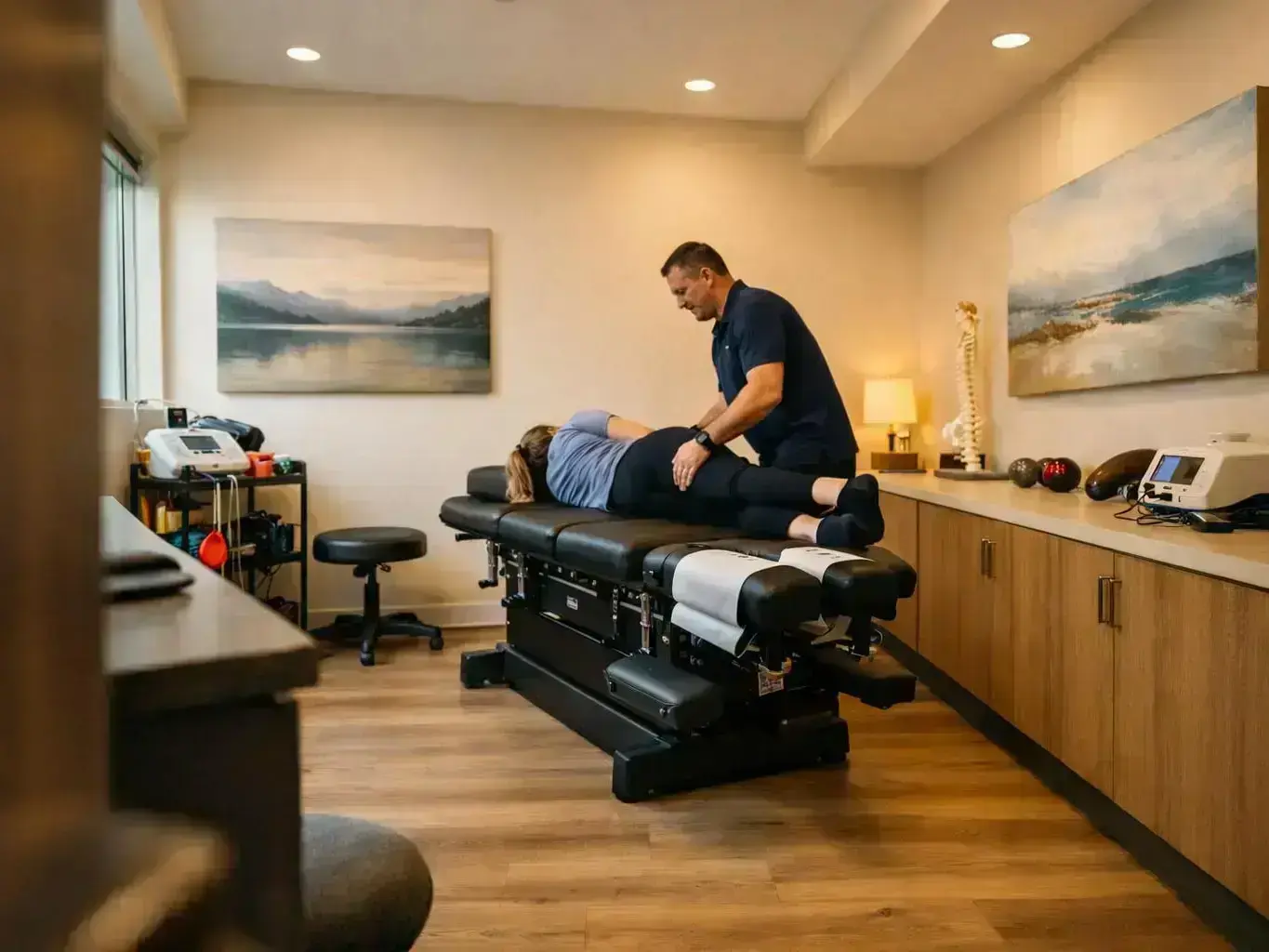
In the last years, students work in clinics. They see patients with a licensed chiropractor. These clinics are on campus or in the community.
Students learn to do exams. They take X-rays if allowed. They make treatment plans and write down progress.
They also learn about running a business. They study ethics (right and wrong) and laws. This gets them ready for work after school.
To finish, students must work many clinic hours. They must pass all classes too.
Chiropractic School makes sure students learn well. They gain the skills to care for patients safely. Without this training, mistakes can happen.
Some mistakes include wrong diagnoses. Others include bad techniques. Some serious health problems might get missed.
Good Chiropractic Schools teach safe practices. They use science to guide lessons. They focus on keeping patients safe.
They also get students ready for big tests. These tests are needed to get a license. Every state requires them.
Patients should pick chiropractors from good schools. These chiropractors meet high standards. They can help with many problems.
They treat back pain and neck pain. They help with headaches and joint issues. They do this without drugs or surgery.
Their training teaches them when to send patients elsewhere. This helps patients get the right care. It makes sure everyone works together.
Chiropractic School matters when picking a chiropractor. It matters if you're looking at treatments. It also matters if you want to be a chiropractor.
People with back pain or joint problems should be careful. They should pick a chiropractor from a good school. This helps them get good care.
Employers and insurance companies check schools too. They want to know chiropractors are trained well. Licensing groups do the same.
Students who want to be chiropractors have big choices. Picking the right school is very important. Some things can affect their future jobs and pay.
These include if the school meets rules. They also include what classes the school offers. Clinic chances and test pass rates matter too.
Some schools offer special training. This can be in sports, kids. Or nerves. This might help students reach their goals.
Where the school is and how much it costs matter. These can affect if students finish. They can also affect student loans.
Medical School trains doctors to prescribe drugs and perform surgery. While Chiropractic School focuses on non-invasive spinal and joint care.
Physical Therapy School teaches rehabilitation exercises and modalities. While Chiropractic School emphasizes hands-on spinal adjustments and nervous system care.
Chiropractic School blends science and hands-on training. But not all programs are equal. Look for schools with strong clinical rotations and faculty who actively practice. This ensures graduates are prepared for real-world patient care.
A student interested in helping athletes with injuries might choose a Chiropractic School with a sports chiropractic specialization. During their clinical rotations, they could work with local sports teams, gaining experience in treating sprains, strains. And joint dysfunctions common in athletes.
Chiropractic License is an official government-issued credential that permits a practitioner to legally diagnose and treat neuromusculoskeletal conditions using spinal adjustments and other manual techniques. Licenses ensure chiropractors meet education, examination.
National Board of Chiropractic Examiners is an independent organization that develops and administers standardized exams to assess the knowledge and skills of chiropractic students and graduates. These exams ensure chiropractors meet national competency standards before obtaining a license to practice in the United States.
Chiropractic Adjustment is a hands-on procedure chiropractors use to apply controlled force to a specific joint, usually in the spine, to improve alignment, reduce pain. And restore motion. Chiropractic Adjustments are based on the idea that proper spinal function supports overall health and nervous system communication. The process is non-invasive and typically involves a quick thrust or gentle pressure.
Spinal Manipulation is a hands-on treatment where a trained chiropractor applies controlled force to a joint in the spine. The goal is to improve movement, reduce pain. And help the body function better. It often produces a popping sound as gas bubbles release from the joint. This technique is commonly used for back, neck. And headache relief.
Arrowhead Clinic Chiropractor
Contact Arrowhead Clinic Chiropractor for practical guidance on Chiropractic School and related chiropractor work in Riverdale.