Understanding Spinal Alignment
Spinal alignment shows how your spine bones sit. These bones are called vertebrae. They stack to make your spine.
Your spine curves like a gentle S. It curves in at the neck. It curves out at the upper back. It curves in again at the lower back.
These curves help you move. They take shocks. They hold your weight. They keep your nerves safe.
A good spine lets bones sit right. Each bone rests on the one below. Muscles and nerves work without stress.
Misalignment happens when bones move. They shift out of place. This can come from injuries. It can come from bad posture.
Small shifts cause big problems. They press on discs. They pinch nerves. They make muscles spasm.
Over time, this can hurt a lot. It can limit how you move. It can cause sciatica (leg pain). It can cause disc herniation (bulging disc).
Small misalignments may fix themselves. Big ones need help. A pro can fix them. This stops long-term damage.
How Spinal Alignment Is Assessed and Corrected?
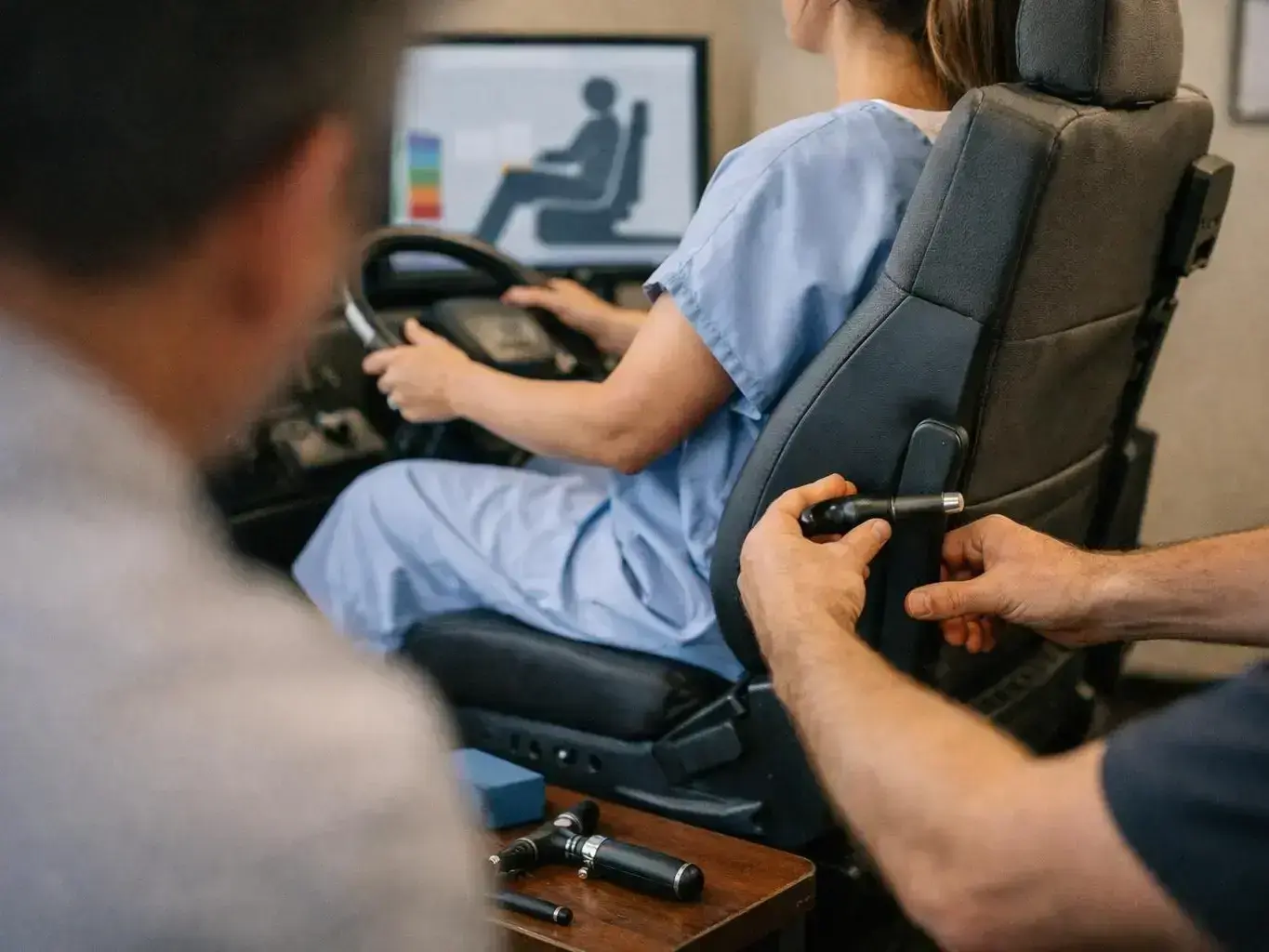
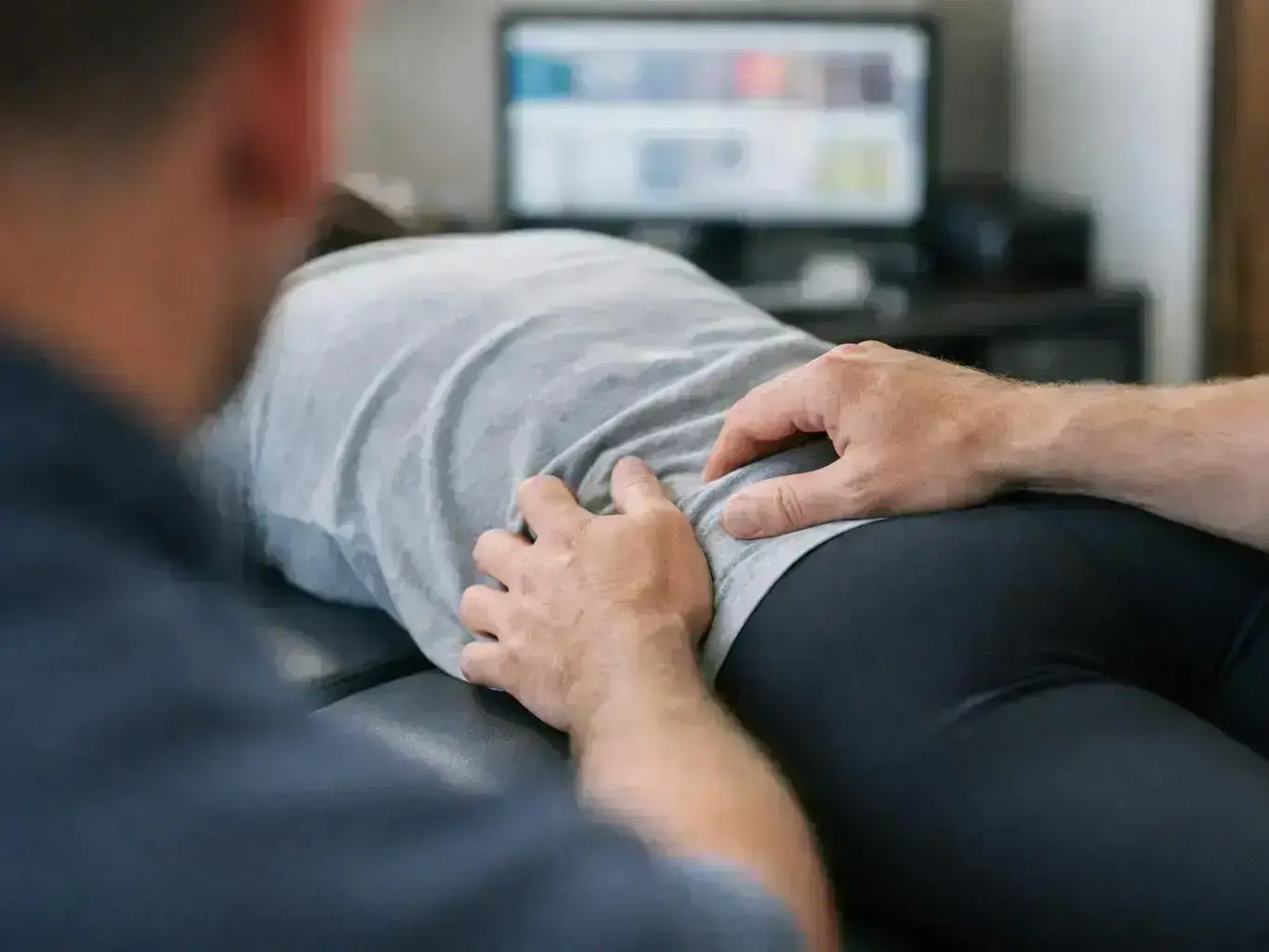
Chiropractors check your spine. They look at how you stand. They check your shoulders and hips.
They feel your spine. They look for bumps or twists. They test how far you can move.
They check your reflexes. This shows nerve problems. Sometimes, they use X-rays.
X-rays show bone positions. They help find breaks. They show wear and tear.
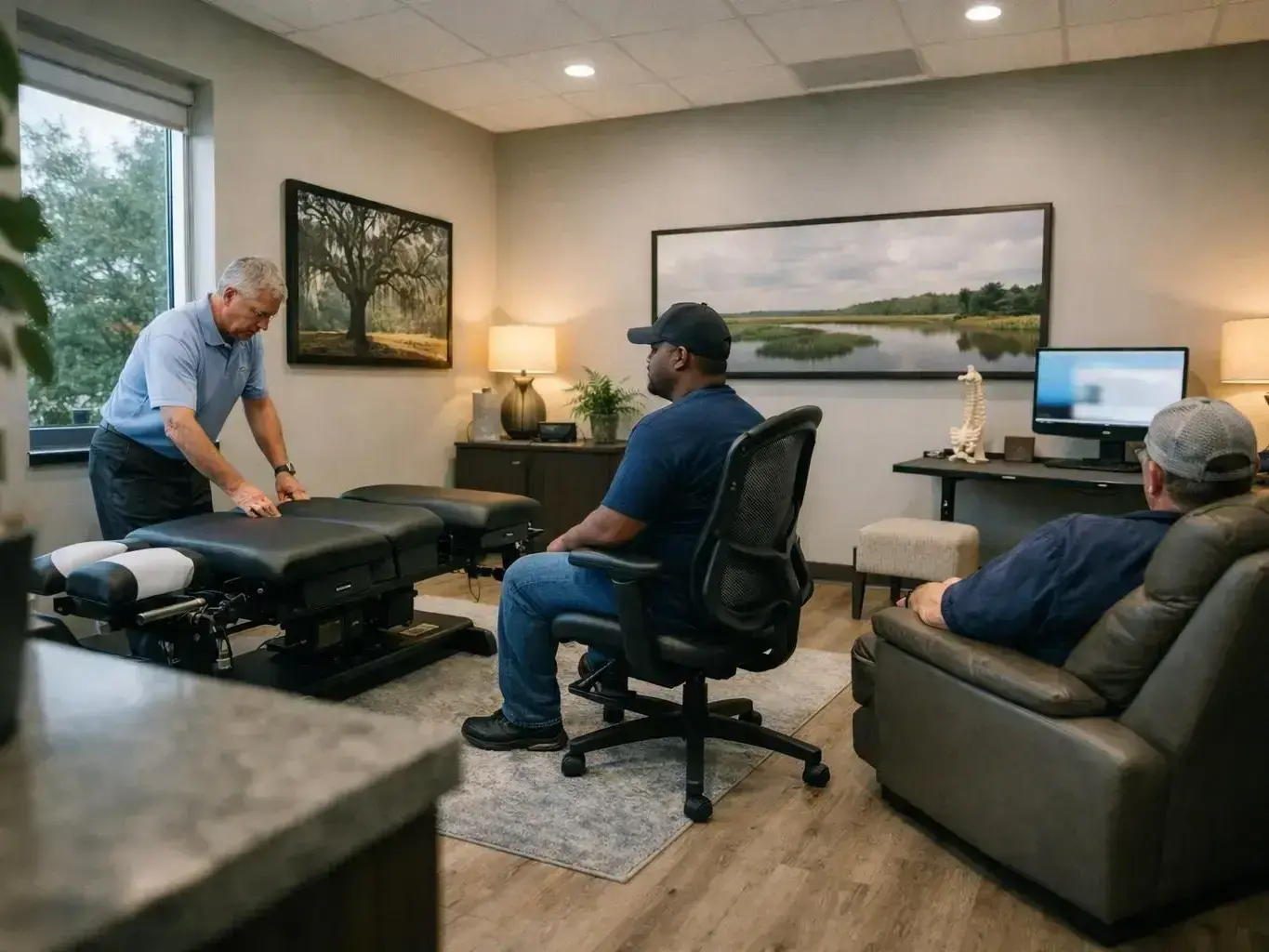
Chiropractors fix misalignment. They use adjustments (gentle pushes). They move bones back into place.
They use hands or tools. Some use gentle pulls. This helps joints move better.
The goal is to help nerves. It lets your body heal. You may need exercises after.
They give tips for work. They suggest changes at home. This keeps your spine straight.
Why Spinal Alignment Matters?
Your spine keeps you healthy. It protects your nerves. These nerves run your whole body.
Bad alignment hurts nerves. It causes pain. It causes numbness. It makes you weak.
Lower back issues cause sciatica. This is sharp leg pain. Neck issues cause headaches.
They can make arms tingle. Good alignment helps posture. It lets you move better.
It may help your organs work. Nerves talk to them. Straight spines help nerves.
Alignment stops injuries. It helps athletes. It helps workers. It helps accident recovery.
Bad alignment strains your back. Sitting too long hurts. Lifting wrong hurts too.
Fixing alignment early helps. It stops big problems. It cuts pain medicine use.
It keeps you active. You can stay this way for years.
When Spinal Alignment Matters Most?
Spinal alignment matters after accidents. Car crashes can shift bones. Falls can too.
Sports injuries do this. Even small slips can move bones. Lifting wrong can shift them.
Pain may come later. It can take days or weeks. You might not link it to the accident.
Early help stops big problems. It cuts need for big treatments.
Some people need more help. Kids' spines are still growing. Heavy backpacks hurt them.
Bad posture hurts them. Sports can shift bones. Pregnant women get back pain.
Their belly pulls them forward. Older adults' spines wear down. This causes pain.
Chiropractors can help all these people. They keep spines straight. This improves life.
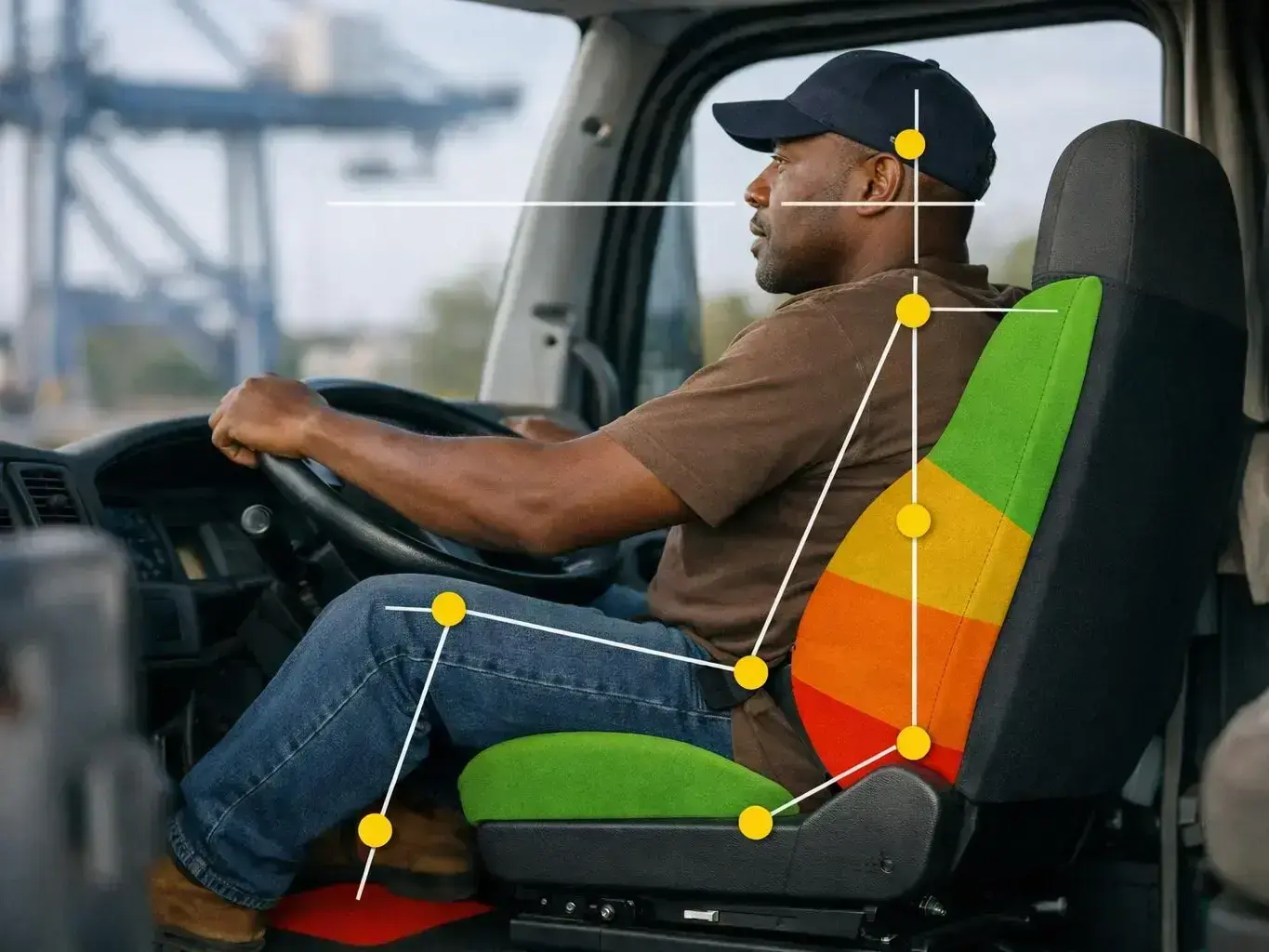
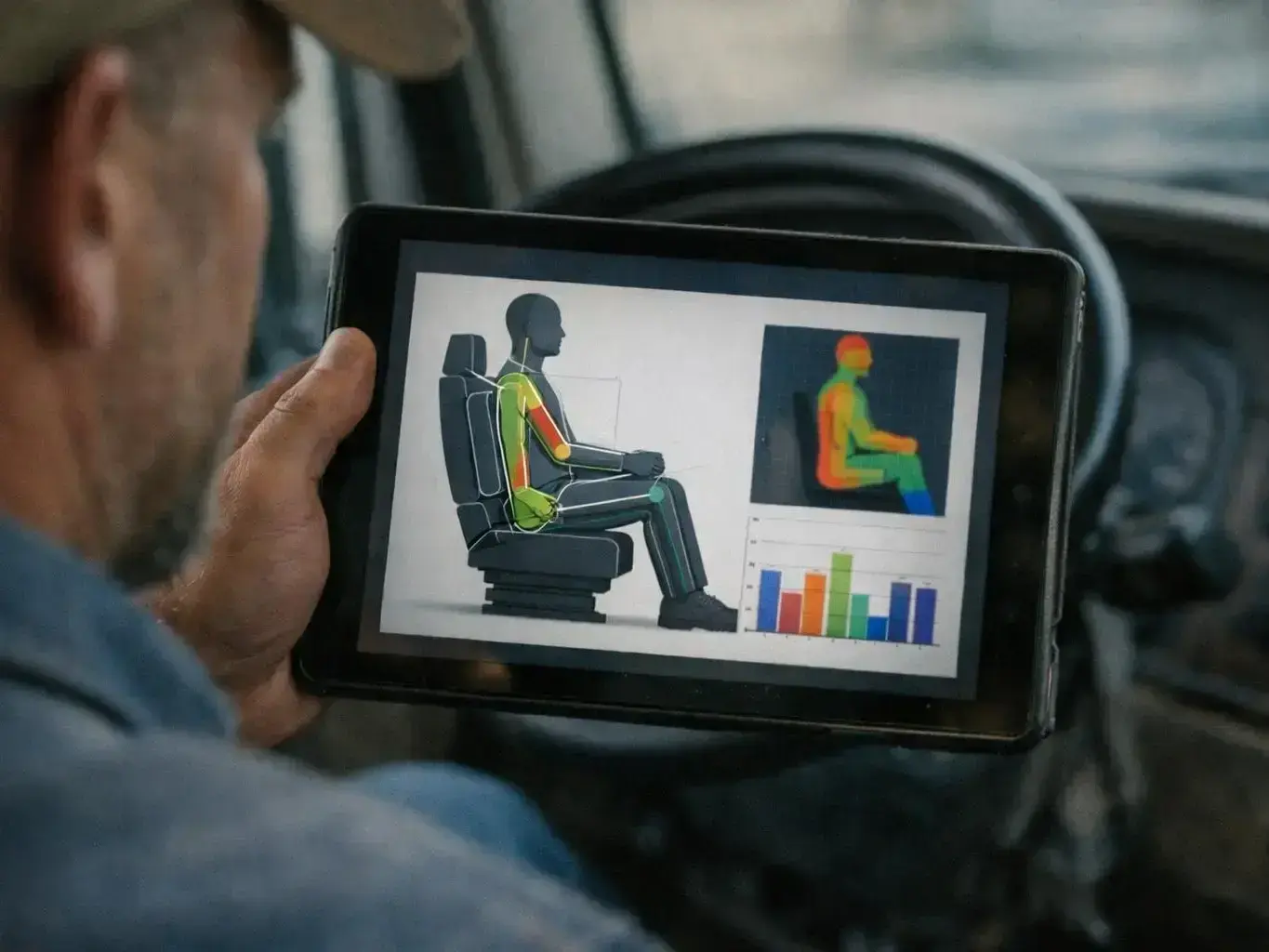
Desk jobs can hurt spines. So can typing all day. Assembly lines do too.
Check-ups help these people. They stop damage from sitting. They stop damage from repeating motions.