Glossary

What is Spinal Manipulation?

Spinal Manipulation is a hands-on treatment where a trained chiropractor applies controlled force to a joint in the spine. The goal is to improve movement, reduce pain. And help the body function better. It often produces a popping sound as gas bubbles release from the joint. This technique is commonly used for back, neck. And headache relief.

Reviewed by Dr. Harry W. Brown, D.C.Sources reviewed: American Chiropractic Association, National Center for Complementary and Integrative Health

Quick Facts About Spinal Manipulation

Category

Chiropractic technique

Used for

Back pain, neck pain, headaches, joint stiffness

Common confusion

Often mistaken for cracking bones; it actually adjusts joints

Also called

Spinal Adjustment, High-Velocity Low-Amplitude (HVLA) Technique

Often discussed with

Chiropractic Consultation and Diagnosis, Car Accident Injury Rehabilitation

Key Takeaways About Spinal Manipulation

Understanding Spinal Manipulation
Spinal Manipulation in Chiropractor—Riverdale

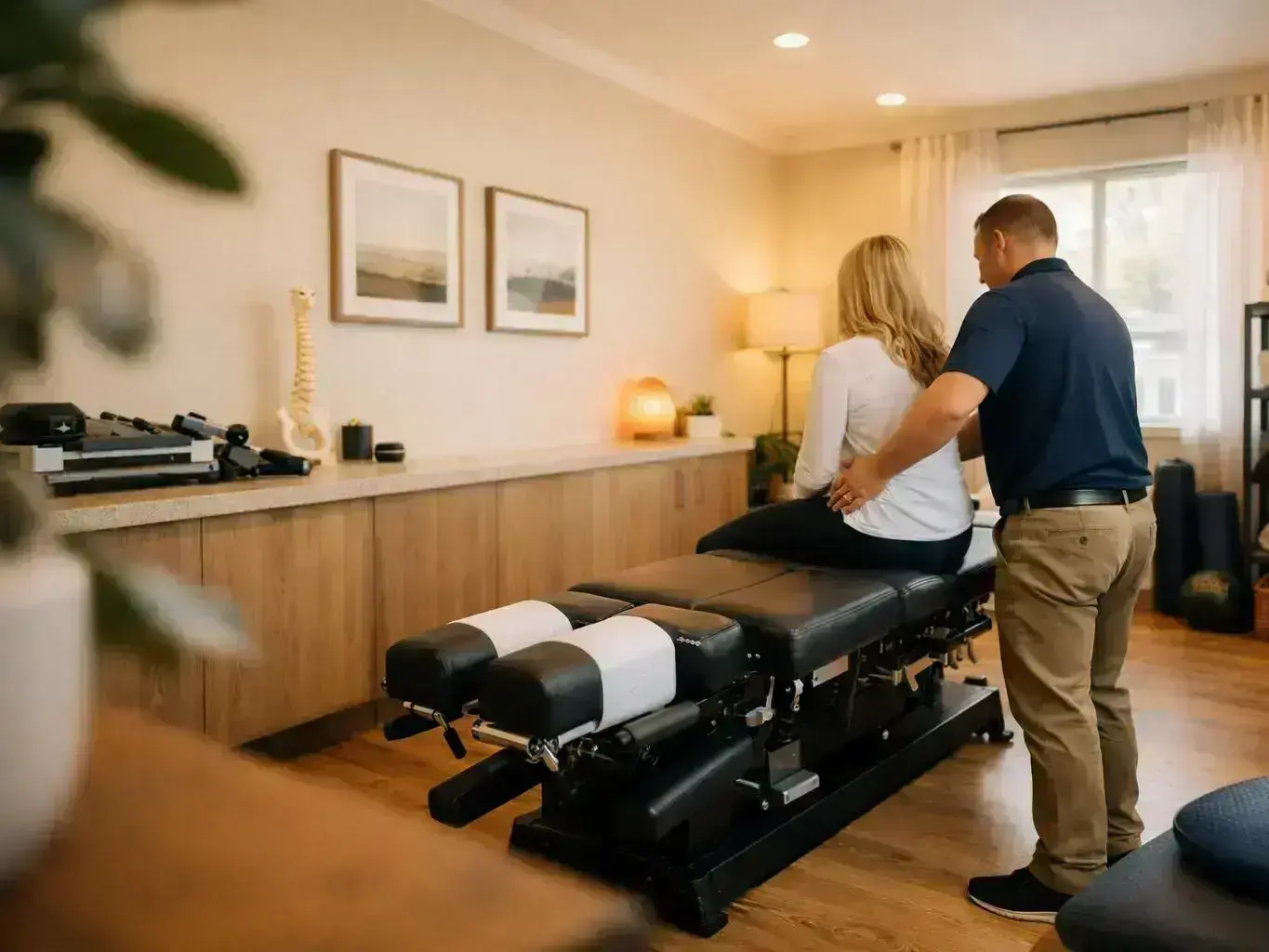
Spinal Manipulation is a manual therapy used by chiropractors to treat problems in the spine and surrounding joints. During the procedure, a chiropractor uses their hands or a small tool to apply a sudden, controlled force to a specific area of the spine. This force helps restore proper movement to joints that may be stiff, misaligned. Or not functioning correctly. Many people feel immediate relief after treatment. Though some may experience mild soreness, similar to after exercise.

Related glossary terms: Chiropractic Adjustment, Spinal Alignment, Joint Dysfunction.

The popping or cracking sound often heard during spinal manipulation comes from gas bubbles being released from the joint fluid. This is a normal part of the process and doesn't mean bones are being cracked or damaged. The technique focuses on improving joint mobility, reducing nerve irritation. And supporting the body’s natural ability to heal. While spinal manipulation is most commonly associated with chiropractic care, some physical therapists and osteopathic doctors also use similar methods.

How Spinal Manipulation Works?

Spinal Manipulation works by applying a quick, precise thrust to a joint in the spine. This thrust helps to stretch the joint capsule and surrounding muscles, which can relieve pressure on nerves and improve range of motion. When a joint is not moving properly, it can cause pain, stiffness. And even affect other parts of the body. For example, a stiff joint in the lower back might contribute to hip or leg pain. By restoring normal movement, spinal manipulation can help reduce these symptoms and improve overall function.

A common issue is The technique is often custom to the patient’s specific condition. Chiropractors may use different amounts of force depending on the patient’s age, size. And health. Some adjustments are gentle. While others require more pressure. Before performing spinal manipulation, a chiropractor will usually assess the patient’s spine, review their medical history. And may order X-rays or other imaging if needed. That way the treatment is safe and appropriate for the individual.

  • Joints that are stiff or misaligned may benefit from spinal manipulation.
  • The force applied is controlled and specific to the problem area.
  • Patients often feel relief after one session. But multiple visits may be needed for lasting results.

Why Spinal Manipulation Matters?

Spinal Manipulation matters because it offers a drug-free, non-surgical way to manage pain and improve mobility. Many people turn to spinal manipulation when other treatments, like medication or rest, have not provided relief. It's particularly helpful for conditions like low back pain, neck pain. And tension headaches, which are common reasons people visit a chiropractor. By addressing the root cause of pain—such as joint dysfunction—rather than just masking symptoms, spinal manipulation can help patients return to their daily activities with less discomfort.

Beyond pain relief, spinal manipulation can also improve overall well-being. Proper spinal function supports the nervous system, which controls every part of the body. When the spine is aligned and moving correctly, it may help reduce stress, improve sleep. And boost energy levels. For athletes or active individuals, spinal manipulation can also aid in recovery and performance by keeping joints flexible and reducing the risk of injury.

When Spinal Manipulation Matters Most?

Spinal Manipulation matters most for people experiencing pain or stiffness in their spine, neck. Or joints. It is especially useful for those with acute or chronic conditions, such as low back pain, sciatica. Or tension headaches. Patients who have recently suffered an injury, like a car accident or sports-related strain, may also benefit from spinal manipulation as part of their recovery plan. And individuals who sit for long periods, lift heavy objects. Or engage in repetitive motions may develop spinal issues that can be addressed with this technique.

Spinal Manipulation is not just for pain relief—it can also be part of a preventive care plan. Regular adjustments may help maintain spinal health, reduce the risk of future injuries. And improve posture. But spinal manipulation is not suitable for everyone. People with certain conditions, such as severe osteoporosis, spinal cord compression. Or inflammatory arthritis, may need alternative treatments. A qualified chiropractor will evaluate each patient to determine if spinal manipulation is safe and appropriate for their needs.

  • Useful for acute injuries like whiplash or strains.
  • Helps manage chronic conditions like sciatica or tension headaches.
  • Can be part of preventive care to maintain spinal health.
  • Not recommended for certain medical conditions without professional evaluation.

How to Evaluate Spinal Manipulation?

Related Concepts Compared

Spinal Manipulation vs. Chiropractic Adjustment

Chiropractic Adjustment is a broader term that includes spinal manipulation but can also refer to adjustments of other joints, like shoulders or knees.

Spinal Manipulation vs. Massage Therapy

Massage Therapy focuses on relaxing muscles and improving circulation. While spinal manipulation targets joint function and alignment.

Spinal Manipulation vs. Physical Rehabilitation

Physical Rehabilitation often includes exercises and stretches to strengthen muscles. While spinal manipulation is a hands-on technique to improve joint movement.

Expert Note

Spinal Manipulation is most effective when combined with other therapies, such as exercise or soft tissue work. A single adjustment rarely resolves chronic issues. So consistency and a comprehensive care plan are key.

Common Mistakes or Myths About Spinal Manipulation

  • Believing spinal manipulation is only for severe pain—it can also help with mild stiffness or preventive care.
  • Thinking the popping sound means bones are cracking—it’s actually gas bubbles releasing from the joint.
  • Assuming one session is enough—many conditions require multiple visits for lasting results.
  • Not informing the chiropractor about medical conditions like osteoporosis, which may require modified techniques.

Spinal Manipulation in Practice: A Real-World Example

After a car accident, a patient in Riverdale, GA, developed neck pain and stiffness. Their chiropractor used spinal manipulation to gently adjust the joints in their neck, which helped restore movement and reduce pain. Over several visits, the patient also received exercises to strengthen their neck muscles, leading to long-term relief.

Sources & Further Reading on Spinal Manipulation

  • American Chiropractic Association
  • National Center for Complementary and Integrative Health
  • Georgia Board of Chiropractic Examiners

Related Services

Related Terms

Chiropractic Adjustment

Chiropractic Adjustment is a hands-on procedure chiropractors use to apply controlled force to a specific joint, usually in the spine, to improve alignment, reduce pain. And restore motion. Chiropractic Adjustments are based on the idea that proper spinal function supports overall health and nervous system communication. The process is non-invasive and typically involves a quick thrust or gentle pressure.

Spinal Alignment

Spinal Alignment is the precise positioning of the vertebrae in the spine to maintain its natural curves and optimal function. Proper alignment ensures nerves, muscles. And joints work together without strain, reducing pain and improving mobility. Misalignment can result from injury, poor posture.

Joint Dysfunction

Joint Dysfunction is a condition where a joint in the body doesn't move, align. Or function properly. It often causes pain, stiffness. Or reduced range of motion and may result from injury, overuse, poor posture. Or underlying health issues. Chiropractors and other healthcare providers assess and treat joint dysfunction to restore normal movement and relieve discomfort.

Back Pain

Back Pain is discomfort or pain felt anywhere along the spine, from the neck down to the lower back. It can range from a dull ache to sharp, debilitating pain and may be caused by muscle strain, injury, poor posture. Or underlying medical conditions. Back Pain affects daily activities and may limit movement, making it one of the most common reasons people seek medical care.

Neck Pain

Neck Pain is discomfort, stiffness. Or soreness in the area between the base of the skull and the shoulders, often caused by muscle strain, poor posture, injury. Or underlying conditions. It may radiate to the shoulders, arms. Or head and can limit movement or cause headaches. Neck pain ranges from mild to severe and may be temporary or chronic.

Arrowhead Clinic Chiropractor

Have Questions About Spinal Manipulation?

Contact Arrowhead Clinic Chiropractor for practical guidance on Spinal Manipulation and related chiropractor work in Riverdale.

+1 678-605-9917