Chiropractic Adjustments, Massage Therapy, and Physical Therapy Compared
Chiropractic adjustments and massage therapy address different needs, while physical therapy focuses on movement and function; Arrowhead Clinic Chiropractor Riverdale uses assessment findings to help determine whether chiropractic adjustments, massage therapy, spinal decompression therapy, or coordinated care fits your goals. Free Consultations are available to help explain your options.
Book a Free ConsultationOptions at a Glance

How Chiropractic Adjustments and Massage Therapy Differ
Chiropractic adjustments primarily address joint motion and spinal mechanics, while massage therapy primarily addresses soft tissue tension and relaxation.
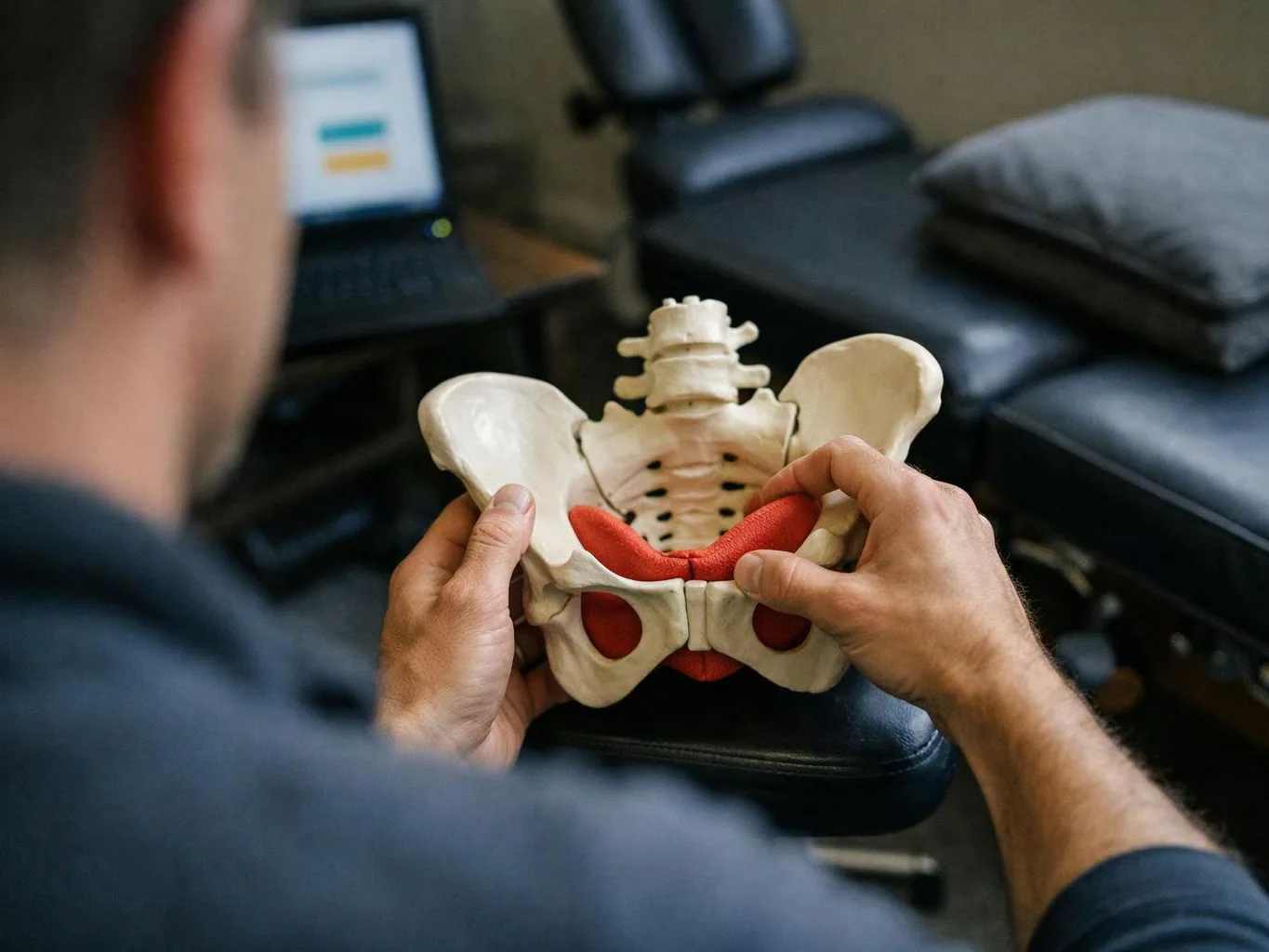
The musculoskeletal system includes the spine, joints, muscles, and supporting soft tissue. Our clinical assessment looks at joint mobility, range of motion, posture, and the symptom pattern before we explain which type of hands-on care may fit.
Massage therapy uses soft tissue work to address muscle tightness and comfort. Chiropractic care uses manual techniques intended to support joint motion and spinal mechanics.
Chiropractic Adjustments vs. Massage Therapy at a Glance
The better option depends on whether the main goal involves joint movement and spinal mechanics or muscle tension and soft tissue comfort.
| Factor | Chiropractic adjustments | Massage therapy | Physical therapy | Spinal decompression therapy |
|---|---|---|---|---|
| Cost drivers | Assessment needs, care plan, and techniques used | Session scope, body areas, and soft tissue goals | Evaluation needs, exercise plan, and functional goals | Assessment findings and decompression-focused plan |
| Treatment timeline | Based on symptom response and joint findings | Based on comfort goals and symptom response | Based on progress with movement and function | Based on clinical findings and response to care |
| Maintenance | May involve follow-up or maintenance care when appropriate | May support ongoing relaxation and soft tissue comfort | May include continued exercises and self-management | Depends on goals, findings, and symptom response |
| Best for | Joint mobility and spinal mechanics | Muscle tension and soft tissue comfort | Movement, strength, and function | Selected low back or disc-related concerns |
We explain cost drivers before care begins. A quote may include the assessment, recommended service, and care plan details, and you can request an exact quote through our team.
What Are the Advantages of Chiropractic Adjustments?
Chiropractic adjustments may be useful when restricted joint motion and spinal mechanics are central to the concern; they are best for readers seeking an assessment-led approach to movement-related musculoskeletal issues.
We use the person's history and physical findings to guide hands-on care. Our approach is conservative and nonoperative, and we adjust the care plan when the symptom response changes.
What Are the Advantages of Massage Therapy?
Massage therapy may be useful when muscle tension, soft tissue comfort, and relaxation are the main goals; it is best for readers seeking hands-on soft tissue care.
Massage therapy does not replace an assessment when symptoms involve functional limitations or suspected joint restriction. We help clarify whether soft tissue work alone fits the stated treatment goals.
How Physical Therapy Compares With Chiropractic Adjustments
Physical therapy emphasizes exercises, movement retraining, and functional rehabilitation, while chiropractic adjustments emphasize assessment and hands-on care for joint and spinal mechanics.
Therapeutic exercise can build movement control and help a person practice safer movement patterns. Physical therapy often centers on function, strength, and the tasks that remain difficult.
Chiropractic adjustments may fit when joint mobility and spinal mechanics are key findings. We can discuss whether coordinated care makes sense when a person needs both hands-on care and a structured rehabilitation plan.
How Spinal Decompression Therapy Compares With Chiropractic Care
Spinal decompression therapy uses a decompression-focused approach, while chiropractic adjustments use manual techniques intended to address joint motion and spinal mechanics.
Spinal decompression therapy is commonly discussed in relation to spinal loading, low back symptoms, and disc-related concerns. Its suitability depends on the person's history, symptoms, and clinical assessment.
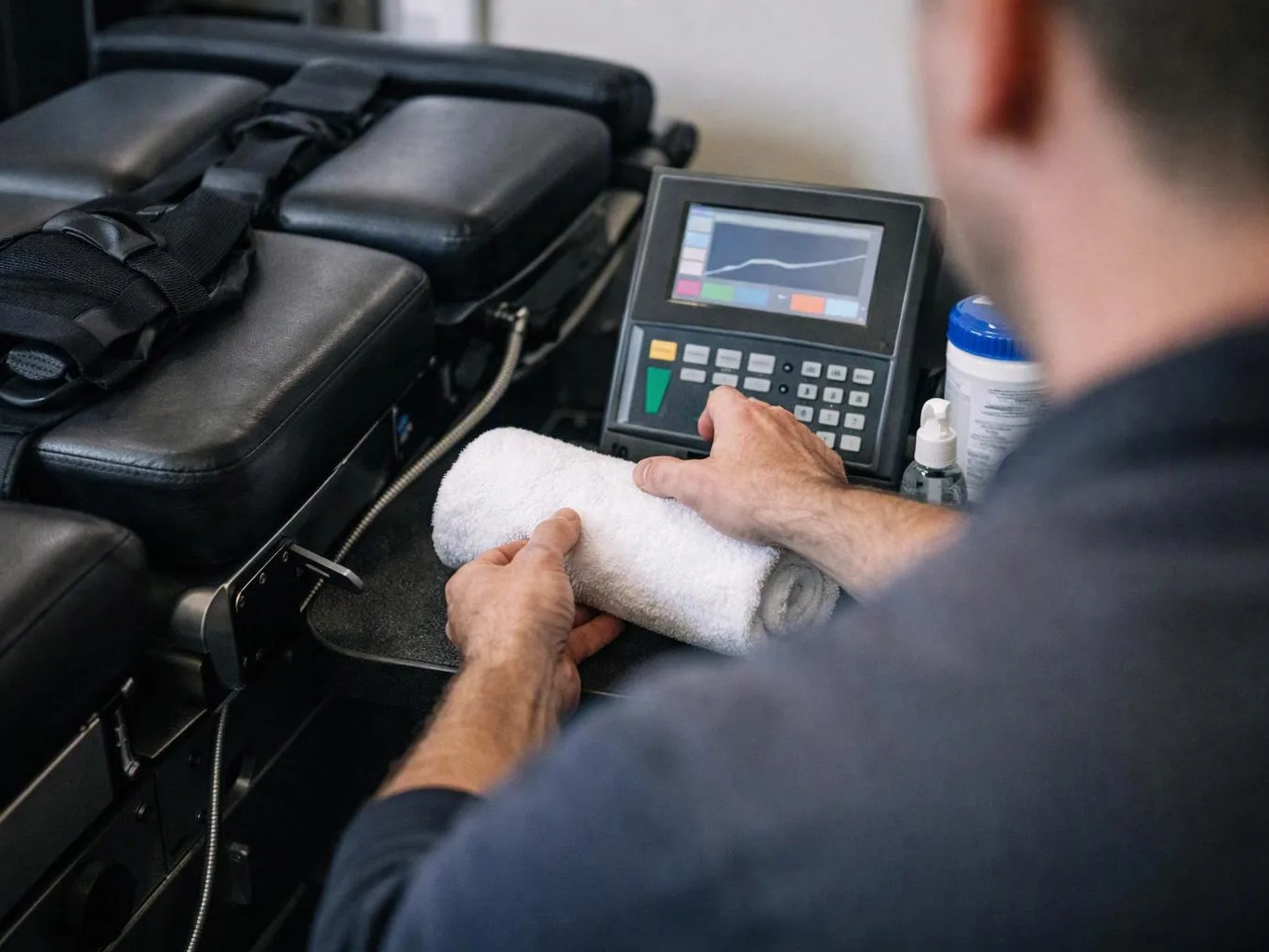
We explain how traction-based care differs from a manual adjustment before recommending an approach. Our team can also discuss whether decompression-focused care fits the care plan or whether another form of conservative care better matches the findings.
Spinal decompression therapy and physical therapy are also different. Physical therapy centers on movement and function, while decompression-focused care centers on the response to selected spinal loading strategies.
Which Treatment Approach Fits Your Main Goal?
Clinical assessment connects treatment goals, symptom patterns, functional limitations, and medical history with the most suitable care approach.
We use this process to avoid treating a service name as a diagnosis. The selected approach should match the findings and the person's ability to participate in care.
What Should You Ask Before Combining Massage and Chiropractic Care?
Questions about the primary goal, treatment order, symptom response, and communication between services help determine whether massage therapy and chiropractic care should be coordinated.
Ask which service addresses the main concern and whether treatment sequencing matters for the current symptom pattern. Ask how the care team will track symptom response after each service.
Ask whether massage therapy is intended to address soft tissue tension before hands-on joint care. Also ask how the services will share relevant findings so the care plan remains clear.
We coordinate recommendations around the person's goals and findings. We also explain when a change in symptoms calls for reassessment instead of adding another service.
How Arrowhead Clinic Chiropractor Riverdale Helps You Choose a Care Approach
Arrowhead Clinic Chiropractor Riverdale reviews the person's history, goals, and physical findings to explain which available approach may fit and what the care plan includes.
Our team assesses movement, joint mobility, soft tissue concerns, and functional limitations. We then explain whether chiropractic adjustments, massage therapy, spinal decompression therapy, or coordinated care aligns with the clinical assessment.
Readers seeking more detail about service structure can also review Standard vs Comprehensive Chiropractic Adjustments Engagements Compared (2026) when comparing care-plan scope. We keep the discussion focused on treatment goals rather than presenting one service as universally superior.
To discuss your goals and request an exact quote, contact us through our contact page.
Questions About Chiropractic, Massage, and Physical Therapy
Can massage therapy and chiropractic adjustments be used together?
Yes, massage therapy and chiropractic adjustments can be coordinated when the treatment order and goals are clear. Arrowhead Clinic Chiropractor Riverdale reviews the symptom pattern, treatment goals, and response to care before explaining how the services may work together.
Is physical therapy better for improving movement and strength?
Physical therapy is usually the more movement-centered option when improving strength, movement patterns, and functional rehabilitation is the main goal. Chiropractic adjustments may complement that approach when joint mobility and spinal mechanics are also part of the concern.
Is spinal decompression therapy the same as a chiropractic adjustment?
No, spinal decompression therapy and chiropractic adjustments use different approaches. Decompression-focused care addresses selected spinal loading goals, while adjustments use manual techniques intended to address joint motion and spinal mechanics.
What changes the cost of chiropractic adjustments compared with massage therapy?
Cost drivers include the assessment, care-plan scope, techniques used, treatment goals, and whether follow-up care is recommended. We explain what an exact quote includes before care begins, and Free Consultations can help you discuss the available options.
How do I choose between massage therapy and chiropractic care for muscle tension?
Massage therapy may fit when muscle tension, soft tissue comfort, and relaxation are the main goals. Chiropractic care may fit when the assessment also shows joint restriction, reduced joint mobility, or spinal mechanics concerns.
Choose a Care Approach That Matches Your Goals
Chiropractic adjustments, massage therapy, physical therapy, and spinal decompression therapy serve different purposes. Our team reviews your history, physical findings, and symptom response so the care plan matches your goals.
Contact Arrowhead Clinic Chiropractor Riverdale to discuss your options and request an exact quote. Free Consultations are available.