Neck Pain Treatment Options for Different Causes and Needs
Neck pain treatment addresses the suspected cause and functional needs, while massage therapy primarily focuses on soft-tissue tension and comfort; Arrowhead Clinic Chiropractor Riverdale assesses the presentation and explains appropriate care options.
Book a Free ConsultationHow Neck Pain Treatment and Massage Therapy Differ
Neck pain treatment evaluates the suspected cause and movement needs, while massage therapy primarily addresses soft-tissue tension and relaxation.
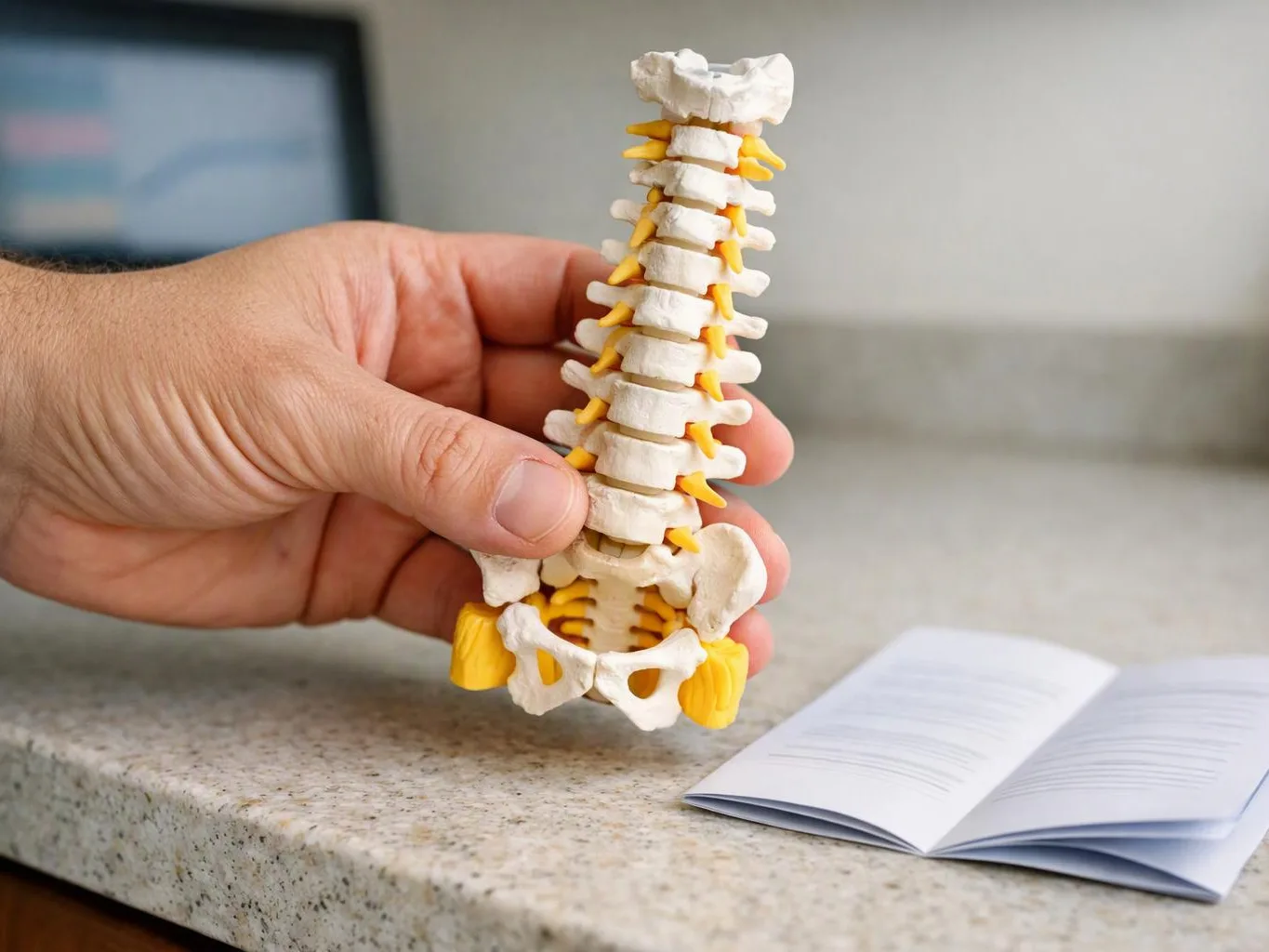
Neck pain treatment may consider the cervical spine, joint mobility, posture, nerve symptoms, and functional limitations. Massage therapy focuses more directly on soft tissue, muscle tension, and comfort.
Both approaches may have a place in conservative care. Our team first considers the pattern of your neck discomfort so the treatment plan matches your needs.
Which Neck Pain Symptoms Need Careful Assessment?
Neck pain symptoms need careful assessment when they affect movement, daily tasks, or the nerves that travel through the neck and upper body.
Our team reviews the full symptom pattern before discussing neck pain relief options.
What Commonly Causes Neck Pain?
Common neck pain causes include sustained posture, muscle overload, injury, and irritation of the cervical joints.
We use your symptom history and movement pattern to explore which factors may be contributing to your pain.
How Does the Cause Guide Neck Pain Treatment?
The suspected cause guides whether care should emphasize posture correction, mobility, soft-tissue work, strengthening, or another appropriate treatment approach.
A clinical assessment starts with your medical history and a movement assessment. We may examine posture, cervical mobility, joint movement, muscle sensitivity, and functional limits.
Posture correction may help when sustained positions contribute to symptoms. Chiropractic adjustments may be considered when joint movement and spinal mobility findings fit that approach.
Massage therapy may address soft-tissue tension, while physical therapy may focus on therapeutic exercise, strengthening, motor control, and home exercise. Our team explains how each option relates to your treatment goals.
When Might Massage Therapy Help Neck Pain?
Massage therapy may help when muscle tension and soft-tissue discomfort are prominent, but it does not replace assessment of an underlying neck condition.
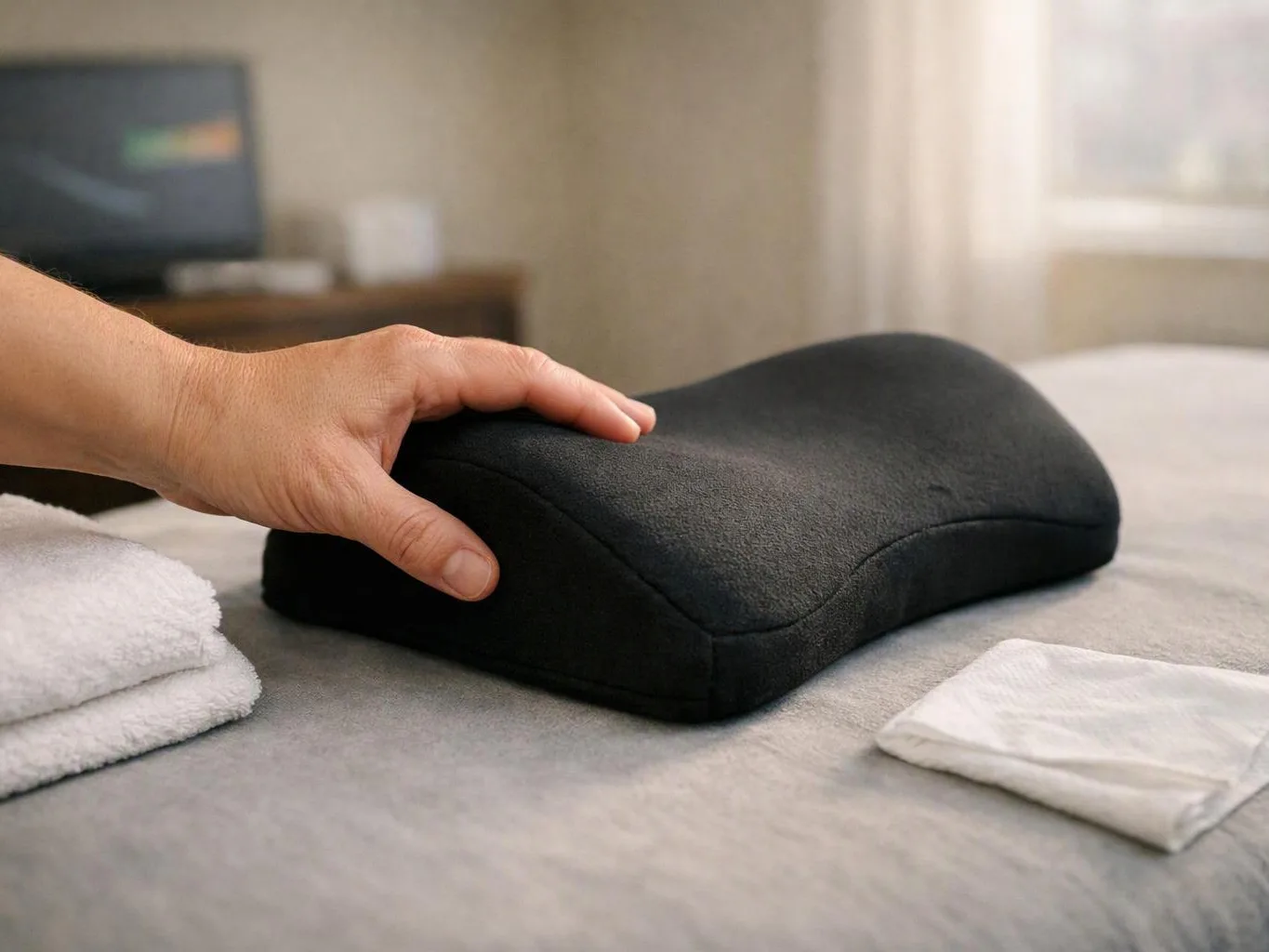
Massage therapy may support relaxation and temporary symptom relief when the neck muscles and nearby soft tissue feel sensitive or tight. The response can vary when joint irritation, nerve symptoms, or injury also affect the neck.
We consider whether massage fits the symptom pattern and whether care coordination with another treatment approach is appropriate.
When Might Chiropractic Neck Pain Treatment Be Appropriate?
Chiropractic neck pain treatment may be appropriate when the assessment identifies movement, joint, or posture-related factors that fit this approach.
Chiropractic adjustments may support spinal mobility and joint movement when those findings are part of the presentation. We also consider posture correction, muscle function, and the way symptoms affect daily activities.
Our Neck Pain Treatment approach begins with a neck pain evaluation rather than assuming one method fits every person.
How Does Physical Therapy Fit Into Neck Pain Care?
Physical therapy fits into neck pain care by using active movement and exercise to improve function and control.

We consider physical therapy when the care plan needs progressive exercise or support for movement habits. The focus may differ from massage therapy or chiropractic adjustments.
| Physical therapy focus | How it may support care |
|---|---|
| Therapeutic exercise | Builds controlled movement and tolerance for daily activity |
| Strengthening | Supports the neck, shoulders, and upper back |
| Range of motion | Addresses comfortable cervical movement |
| Motor control | Improves coordination during posture and activity changes |
| Home exercise | Carries movement practice into everyday routines |
How Can Desk-Based Work Relate to Neck Pain?
Desk-based work may relate to neck pain when sustained positions and repetitive screen or keyboard use increase strain and reduce movement variety.
A forward-head posture can increase demand on the neck and upper-back muscles. Monitor position, keyboard and mouse use, and limited movement breaks may all affect how the neck feels during the workday.
We discuss ergonomics as part of care when your work setup appears linked to your symptoms. An ergonomic workstation and regular position changes can support posture correction and cervical mobility.
What Can Help Prevent Recurring Neck Pain?
Preventing recurring neck pain usually involves changing the factors that repeatedly stress the neck and upper back.
Our team can connect these habits with your movement findings and treatment goals.
How We Evaluate Neck Pain Treatment Options
Arrowhead Clinic Chiropractor Riverdale evaluates neck pain treatment options by connecting your symptoms, movement findings, posture, and goals.
Our process helps separate soft-tissue discomfort from concerns that may need a broader assessment.
What Should You Consider Before Choosing Massage or Neck Pain Treatment?
The choice depends on the symptom pattern, suspected cause, treatment goal, and whether the presentation needs assessment beyond soft-tissue relaxation.
Massage therapy may suit a pattern centered on muscle tension and relaxation. Neck pain treatment may be more appropriate when joint mobility, posture, reduced range of motion, or radiating symptoms need review.
We also consider patient preferences and care coordination. A plan may include more than one type of conservative care when each part addresses a different need.
When Should Neck Pain Be Assessed Promptly?
Neck pain with neurological symptoms, significant injury, or rapidly worsening symptoms should receive prompt medical assessment.
Radiating pain, numbness, or weakness may suggest nerve involvement. Injury-related neck pain, severe headache, or balance changes also warrant careful attention.
We can discuss appropriate next steps when your symptoms fit conservative neck care, while urgent or concerning symptoms may need medical evaluation before massage or adjustments.
Questions About Neck Pain Treatment and Massage
Can massage therapy make neck pain worse?
Yes, massage therapy can aggravate neck pain when the pressure or technique does not fit the underlying condition. Arrowhead Clinic Chiropractor Riverdale recommends assessing symptoms such as injury-related pain, numbness, weakness, or radiating symptoms before choosing soft-tissue work.
Can neck pain treatment and massage therapy be used together?
Yes, neck pain treatment and massage therapy can be used together when the combined plan fits the symptom pattern and treatment goals. Assessment-led care may address movement or posture while massage therapy addresses soft-tissue tension.
Is massage therapy enough for neck pain caused by poor posture?
No, massage therapy may not be enough when poor posture continues to place stress on the neck. Posture correction, ergonomic changes, movement practice, and strengthening may also support longer-term improvement.
What type of neck pain may need more than massage?
Neck pain with numbness, weakness, radiating pain, significant loss of motion, or injury-related symptoms may need more than massage. These patterns call for assessment of the cervical spine, joints, muscles, and nerves.
Should neck pain after an injury be assessed before massage?
Yes, neck pain after an injury should be assessed before massage when symptoms are significant, worsening, or associated with headache, numbness, weakness, or radiating pain. The assessment helps determine whether soft-tissue work is appropriate.
Discuss Your Neck Pain Treatment Options
Arrowhead Clinic Chiropractor Riverdale reviews your symptom history, movement needs, posture, and treatment goals so you can understand which care options may fit.
Contact our team to discuss your neck pain concerns and next steps.
Related Resources
How to Choose a Chiropractor in Riverdale, Georgia
What's RequiredYour First Chiropractic Adjustment: Preparation, Visit Length, and Aftercare
What's RequiredQuestions to Ask Before Prenatal Chiropractic Care
Compared ToChiropractic Adjustments, Massage Therapy, and Physical Therapy Compared