Your First Chiropractic Adjustment: Preparation, Visit Length, and Aftercare
A first chiropractic adjustment includes a health discussion, physical assessment, explanation of the recommended technique, the adjustment, and aftercare guidance; Arrowhead Clinic Chiropractor Riverdale uses the visit to understand your concerns and plan appropriate care.
Book a Free Consultation
What Happens During a First Chiropractic Adjustment?
A first chiropractic adjustment combines a consultation, an assessment, an explanation of the recommended approach, and the adjustment when appropriate.
During the chiropractic consultation, we review your health history, symptoms, prior care, and treatment goals. Our team uses that information to decide whether a spinal adjustment fits your needs and to explain other appropriate care options.
We complete a physical assessment that may include posture, movement, and areas related to your concerns. We explain the recommended technique and answer questions before any adjustment begins.
How to Prepare Before Your Chiropractic Adjustment
Preparing for a chiropractic appointment means bringing useful health information and arriving ready to discuss your symptoms.
These steps help us make the consultation focused and useful:
What to Expect When We Assess Your Condition
A chiropractic assessment helps us connect your symptoms, health history, movement, and goals to an appropriate care plan.
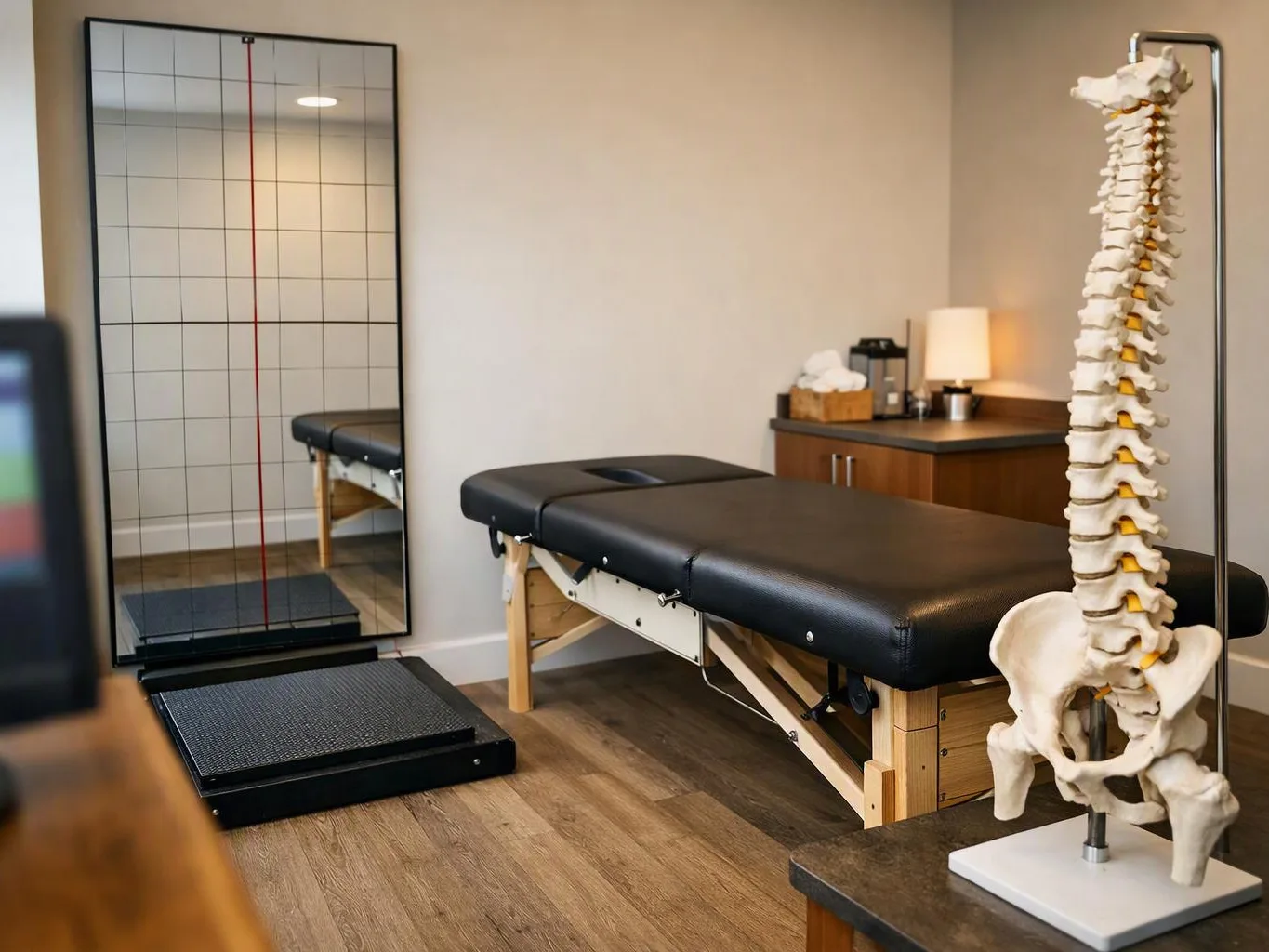
Our chiropractic examination may include checking range of motion, posture, movement patterns, and the location of pain. We use these findings with your health history instead of relying on one symptom alone.
We discuss what we find, explain the possible care approach, and invite your questions. Informed consent means you understand the recommended technique and agree before we proceed.
What Happens During the Adjustment?
A chiropractic adjustment applies a controlled technique to a selected area after we explain the process and confirm that the approach is appropriate.
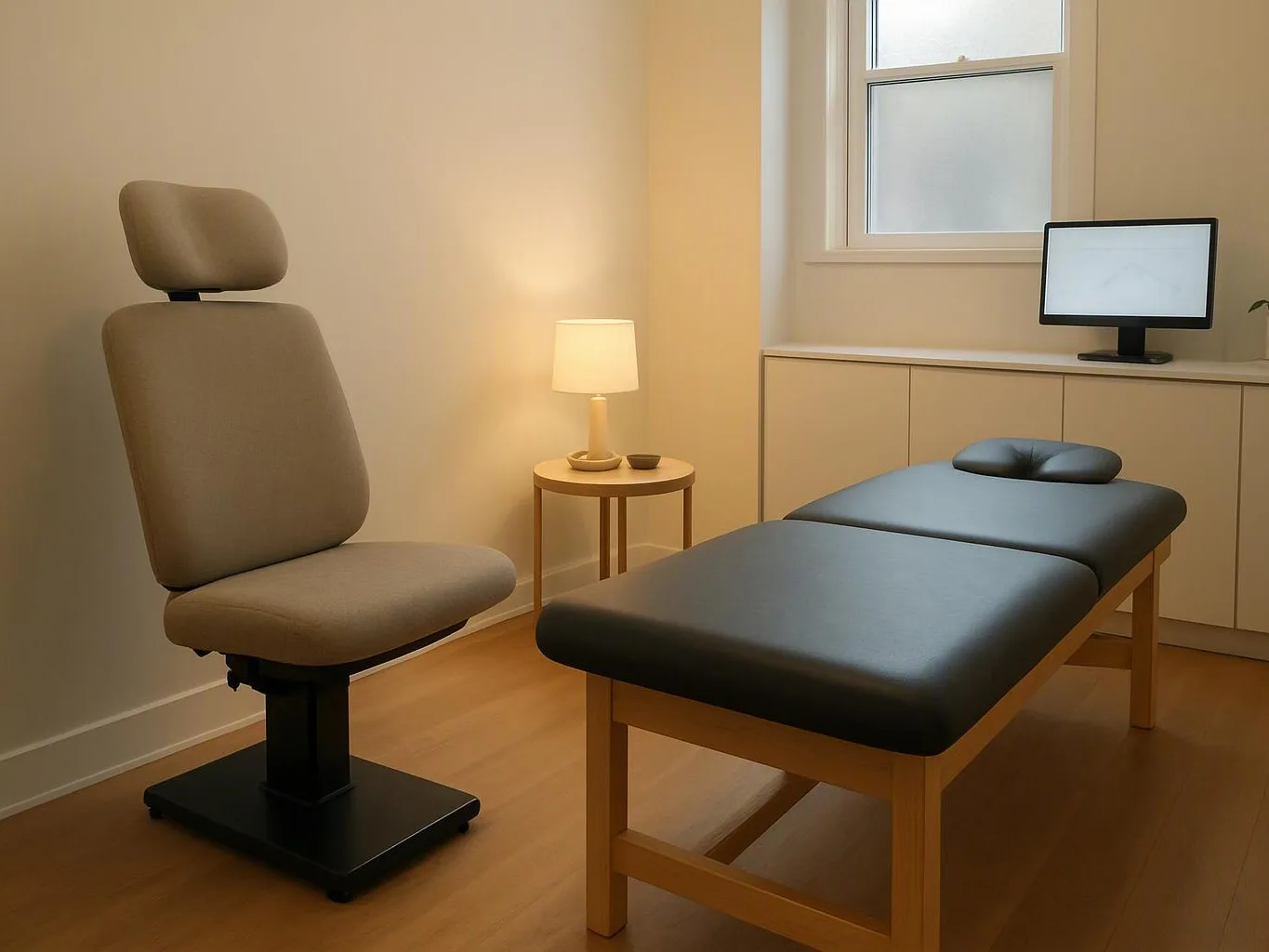
The adjustment takes place with you positioned comfortably on an adjustment table. Our team selects the technique based on your assessment, comfort, and care goals.
What Can Affect the Length of Your Visit?
The length of a chiropractic visit depends on the information we need to review, the assessment required, the concerns discussed, and the care plan explained.
A detailed health history may require more discussion when symptoms involve previous injuries or other health concerns. The physical assessment also changes based on the movement, posture, and mobility questions we need to examine.
The number of concerns you bring can affect the treatment discussion. We allow time to explain findings, answer questions, and outline follow-up planning that matches your treatment goals.
How to Care for Yourself After an Adjustment
Chiropractic adjustment aftercare focuses on following the guidance we give and paying attention to your body response.
Our team explains activity guidance based on your assessment and the technique used. Use these general steps as a starting point while following your personal aftercare instructions:
When Should You Contact Us After an Adjustment?
Contact Arrowhead Clinic Chiropractor Riverdale when symptoms are new, worsening, concerning, or different from the guidance provided after the adjustment.
A post-adjustment response can vary as your body adapts to care. We want to know about changes that concern you so we can review your care instructions and decide whether a follow-up appointment is appropriate.
Use the contact information provided by our office when you need clarification about activity guidance, aftercare instructions, or your follow-up plan.
Warning Signs That Need Prompt Medical Attention
Red flags after an adjustment include severe or worsening symptoms that require medical evaluation.
Seek prompt medical attention for these red flags. If symptoms feel life-threatening, use emergency medical services.
How to Discuss Your Care Plan and Consultation
Our team explains the recommended chiropractic care plan, answers questions, and discusses next steps during a Free Consultations appointment.
We connect the care plan to your treatment goals and explain how follow-up care may support your progress. You can ask about the recommended adjustment technique, expected body response, activity guidance, and when to contact us.
Arrowhead Clinic Chiropractor Riverdale provides Chiropractic Adjustments based on the findings from your consultation and assessment. Use to request information about your consultation.
Questions About Your First Chiropractic Adjustment
What should I wear to my first chiropractic appointment?
Wear comfortable clothing that allows you to move easily during the assessment and supports comfortable patient positioning.
Should I tell the chiropractor about my medications?
Yes, tell Arrowhead Clinic Chiropractor Riverdale about your current medications and supplements so our team can include that information in the health history review.
What does a chiropractor check before an adjustment?
A chiropractor checks your symptoms, health history, posture, range of motion, movement, pain location, and treatment goals before recommending an adjustment.
What should I do if I feel different after a chiropractic adjustment?
Follow your aftercare instructions and contact our team if the change is new, worsening, concerning, or different from the guidance provided after your adjustment.
Can I ask questions before a chiropractic adjustment?
Yes, you can ask questions before a chiropractic adjustment, and our team explains the recommended approach before requesting your informed consent.