Can work injury treatment support recovery from repetitive strain?
Therapeutic exercises can support recovery from repetitive strain when they fit the patient’s exam and work demands. We also review posture, joint motion, and tendon irritation. The plan may include chiropractic adjustments, soft tissue therapy, and work habit guidance. Individual response differs, and symptoms needing urgent medical care require medical evaluation.
What does the clinician look at first during work injury care?
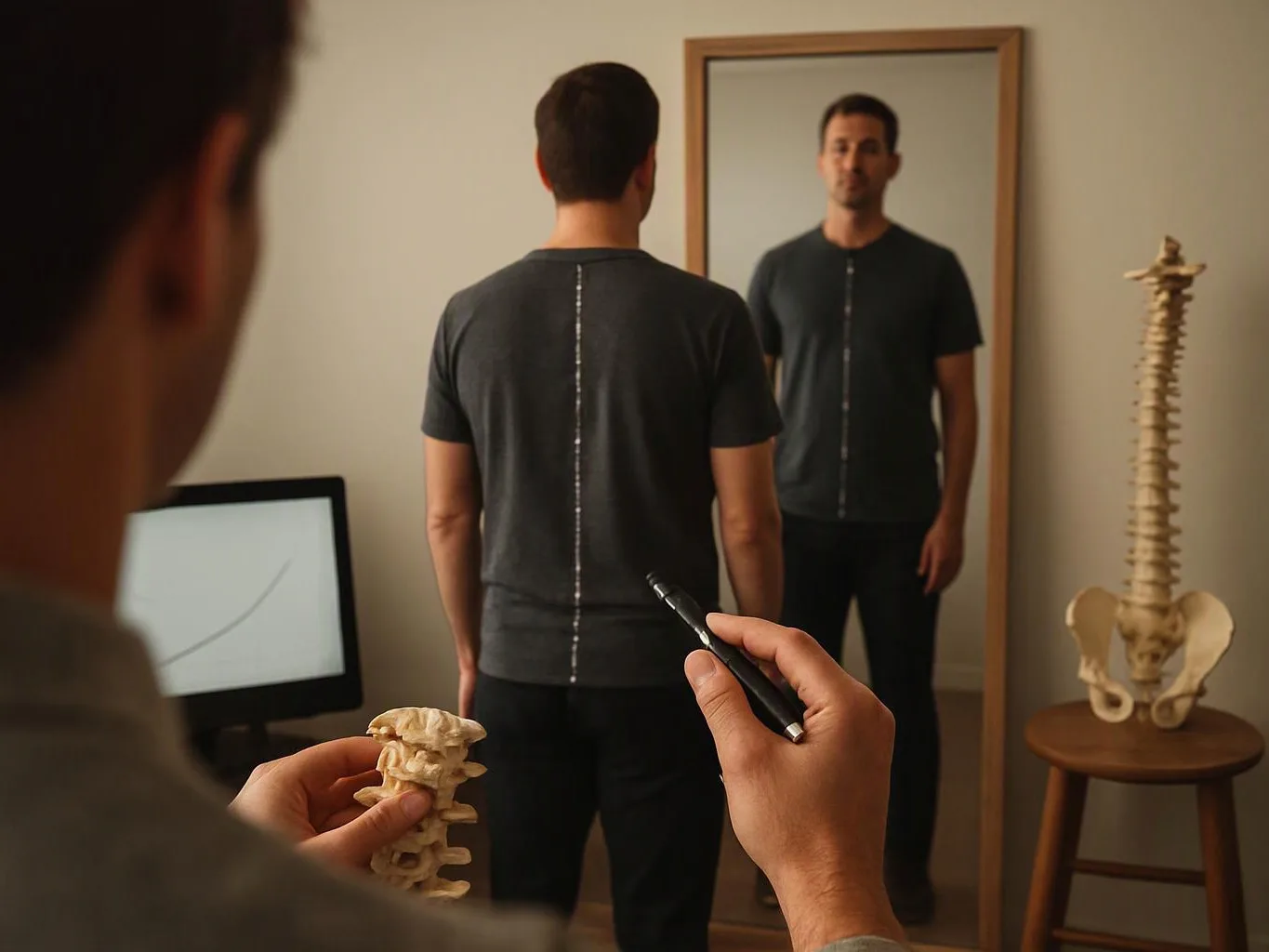
The first assessment reviews your symptoms, health history, work tasks, posture, and movement. We ask which actions increase discomfort and check related joints and soft tissues. This information helps us decide whether chiropractic care fits your needs and which parts of the plan require the most attention.
What should be checked before work injury care is scheduled?
A health history and exam should be completed before treatment is scheduled. We need to understand your symptoms, prior injuries, current care, work duties, and movement limits. A clear review can show whether chiropractic treatment fits or whether another medical service should assess the concern first.
Who is a good fit for work injury care, and who needs a different service?
People with work-related pain, repetitive strain, posture concerns, or movement limits may fit this service. Severe trauma, urgent symptoms, or concerns outside chiropractic care need a different medical evaluation. We discuss your history and exam findings before recommending a treatment approach.
How does a workstation review help with repetitive strain?
A workstation review identifies positions and repeated movements that may keep symptoms active. We discuss screen height, chair support, keyboard reach, and shoulder or wrist posture. Small changes may reduce strain during work, but the right advice depends on your symptoms, job duties, and exam findings.
Which treatment methods may be used for work-related neck or shoulder pain?
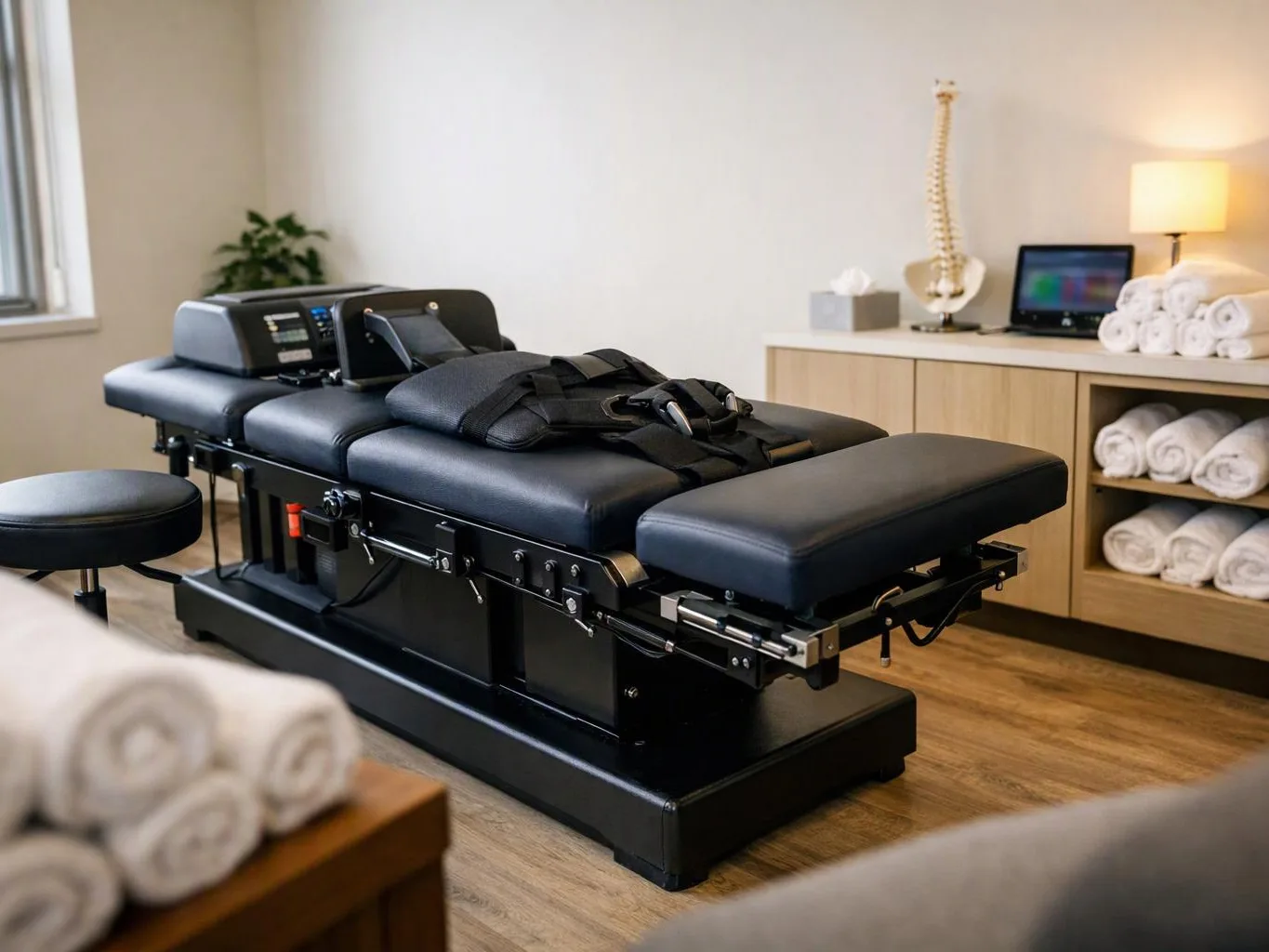
Chiropractic adjustments, soft tissue therapy, posture guidance, and exercise planning may be used when they suit the exam. We explain each method before care begins. The plan may change as movement and symptoms change, so regular progress reviews remain useful.
Why does tendon inflammation keep returning during work?
Tendon inflammation may return when repeated loading continues without enough change in posture, movement, or task demand. We assess the painful tendon area and nearby joints, then discuss work habits and care options. Persistent or worsening symptoms may need medical evaluation outside chiropractic treatment.