Understanding Atlas Orthogonal
The atlas vertebra, also known as C1, is the topmost bone in the spine and plays a crucial role in supporting the skull and facilitating head movement. Because of its position and function, even slight misalignments can affect the entire spine, nervous system. And overall posture. Atlas Orthogonal is a chiropractic approach specifically designed to address these misalignments with precision and minimal force. Unlike traditional manual adjustments, this technique relies on a specialized instrument to deliver a controlled, low-force impulse to the atlas vertebra.
Related glossary terms: Chiropractic Adjustment, Spinal Alignment, Neck Pain.
This method was developed to provide a gentler alternative to high-velocity, low-amplitude (HVLA) adjustments, which can involve sudden twisting or cracking sounds. Many patients, particularly those with neck injuries, arthritis. Or sensitivity to manual manipulation, find Atlas Orthogonal more comfortable. The technique is based on the principle that correcting the alignment of the atlas can have a cascading effect on the rest of the spine, potentially improving nervous system function and reducing symptoms like headaches, dizziness. And chronic pain.
How Atlas Orthogonal Works?
The Atlas Orthogonal procedure begins with a thorough assessment, including a patient history, physical examination. And often specialized imaging, such as X-rays or digital analysis, to determine the exact misalignment of the atlas vertebra. The chiropractor measures the degree and direction of the misalignment to customize the adjustment. During the adjustment, the patient lies on their side or sits upright while the chiropractor uses a handheld instrument called an Atlas Orthogonal percussion adjusting instrument. This tool delivers a precise, quick impulse to the atlas vertebra at a specific angle and force, calculated based on the patient’s unique misalignment.
The goal of the adjustment is to restore the atlas to its optimal orthogonal (or perpendicular) position relative to the skull and spine. This alignment is believed to reduce stress on the nervous system, improve posture. And alleviate symptoms caused by misalignment. Because the adjustment is low-force, patients typically experience little to no discomfort during the procedure. Some may feel immediate relief. While others notice gradual improvements over several sessions as their body adapts to the corrected alignment.
- Assessment: Patient history, physical exam. And imaging to identify misalignment.
- Customization: Adjustment angle and force custom to the patient’s specific needs.
- Instrumentation: A specialized tool delivers a precise, low-force impulse to the atlas.
- Follow-up: Progress is monitored through re-examination and patient feedback.
Why Atlas Orthogonal Matters?
Misalignment of the atlas vertebra can contribute to a range of health issues beyond neck pain, including chronic headaches, migraines, dizziness. And even balance problems. Because the atlas surrounds the brainstem, which controls vital functions like breathing, heart rate. And blood pressure, proper alignment is essential for overall nervous system health. Atlas Orthogonal aims to address the root cause of these symptoms rather than just masking them with pain medication or temporary relief.
For patients who have experienced trauma, such as whiplash from a car accident. Or those with chronic conditions like scoliosis or arthritis, Atlas Orthogonal offers a non-invasive option to manage pain and improve mobility. The technique is also popular among athletes, office workers. And individuals with postural stress from prolonged sitting or screen use. By restoring proper alignment, patients may experience improved range of motion, reduced muscle tension. And better overall function of the nervous system, which can boost daily activities and quality of life.
When Atlas Orthogonal Matters Most?
Atlas Orthogonal is particularly beneficial for individuals experiencing specific symptoms or conditions related to atlas misalignment. Patients with chronic headaches, migraines. Or neck pain that hasn’t responded to other treatments may find relief with this technique. It's also commonly recommended for those who have suffered neck injuries, such as whiplash from car accidents, falls. Or sports collisions, as these events often cause subtle misalignments that go unnoticed until symptoms develop.
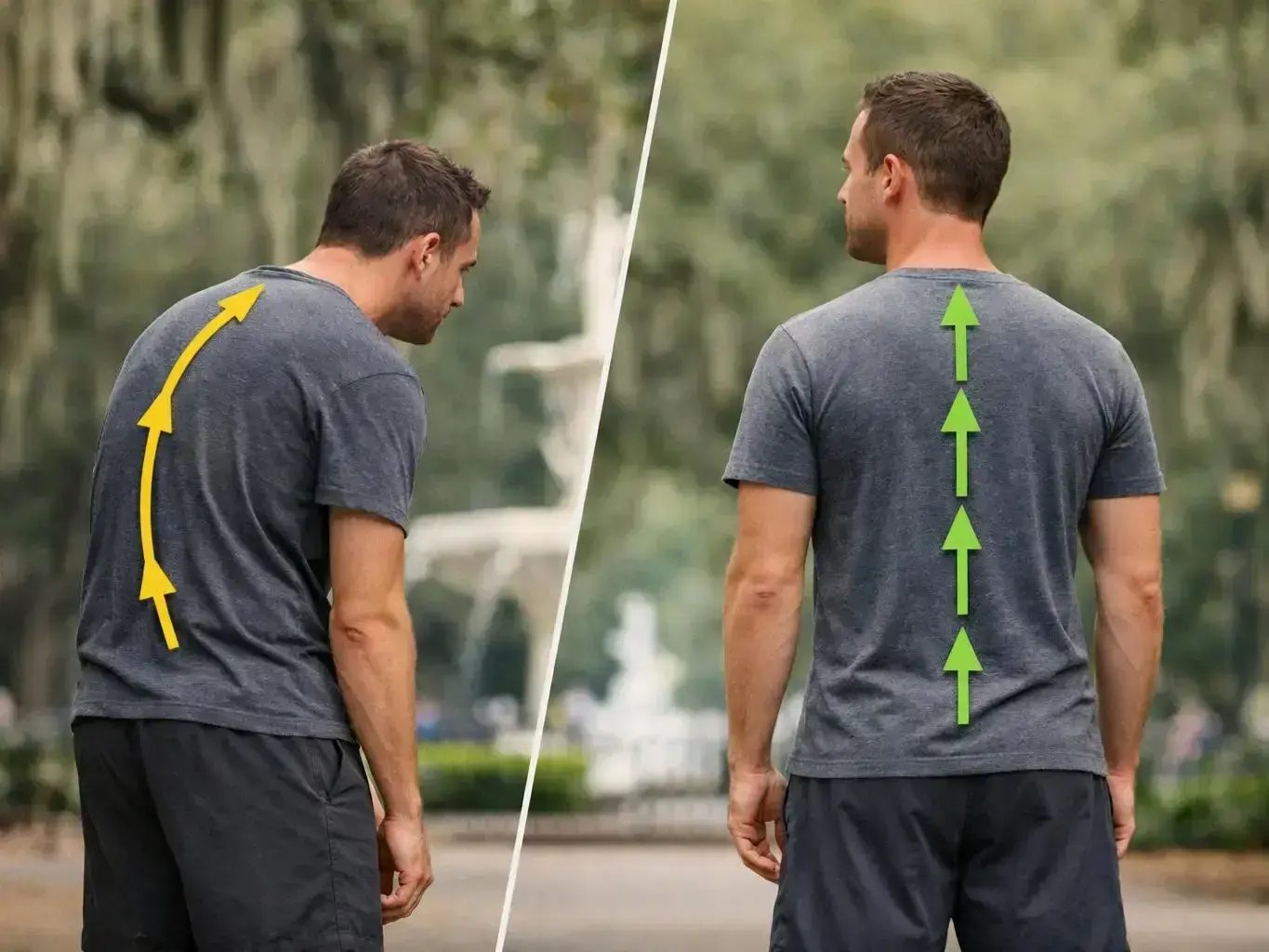
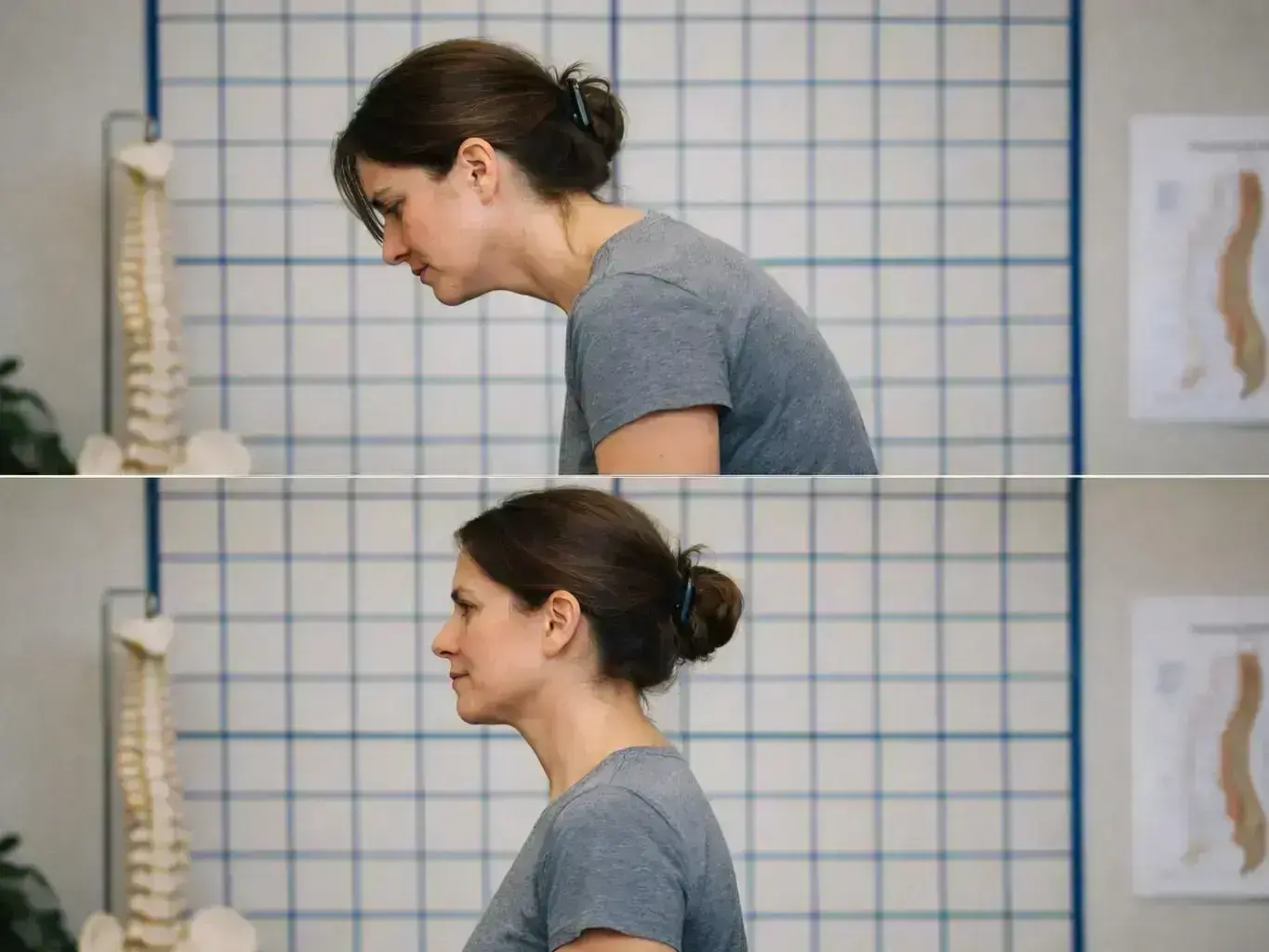
And Atlas Orthogonal can be helpful for individuals with postural issues, such as forward head posture, which is common among people who spend long hours sitting at desks or using electronic devices. Poor posture can place excessive strain on the neck and spine, leading to discomfort and reduced mobility. By correcting the alignment of the atlas, this technique may help alleviate postural stress and prevent long-term complications. Patients with conditions like temporomandibular joint (TMJ) dysfunction, vertigo. Or even certain types of nerve-related pain may also benefit from Atlas Orthogonal as part of a full chiropractic care plan.
- Chronic headaches or migraines unresponsive to other treatments.
- Neck injuries, including whiplash or sports-related trauma.
- Postural issues, such as forward head posture or scoliosis.
- TMJ dysfunction, dizziness. Or balance problems.
- Patients seeking a gentle alternative to manual spinal adjustments.