Understanding Mobilization
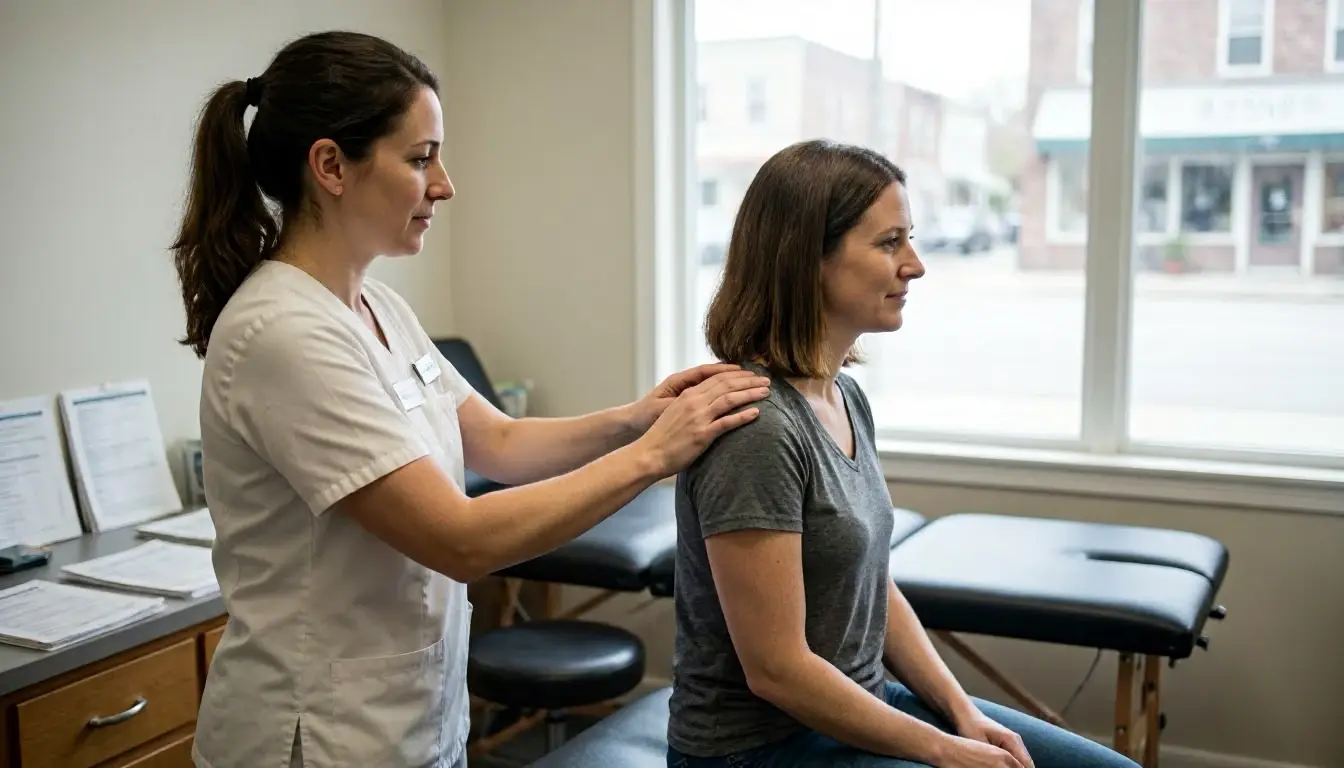
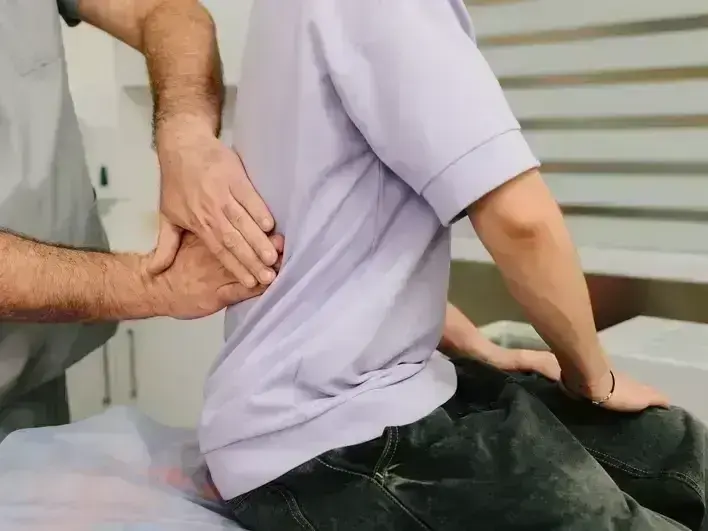
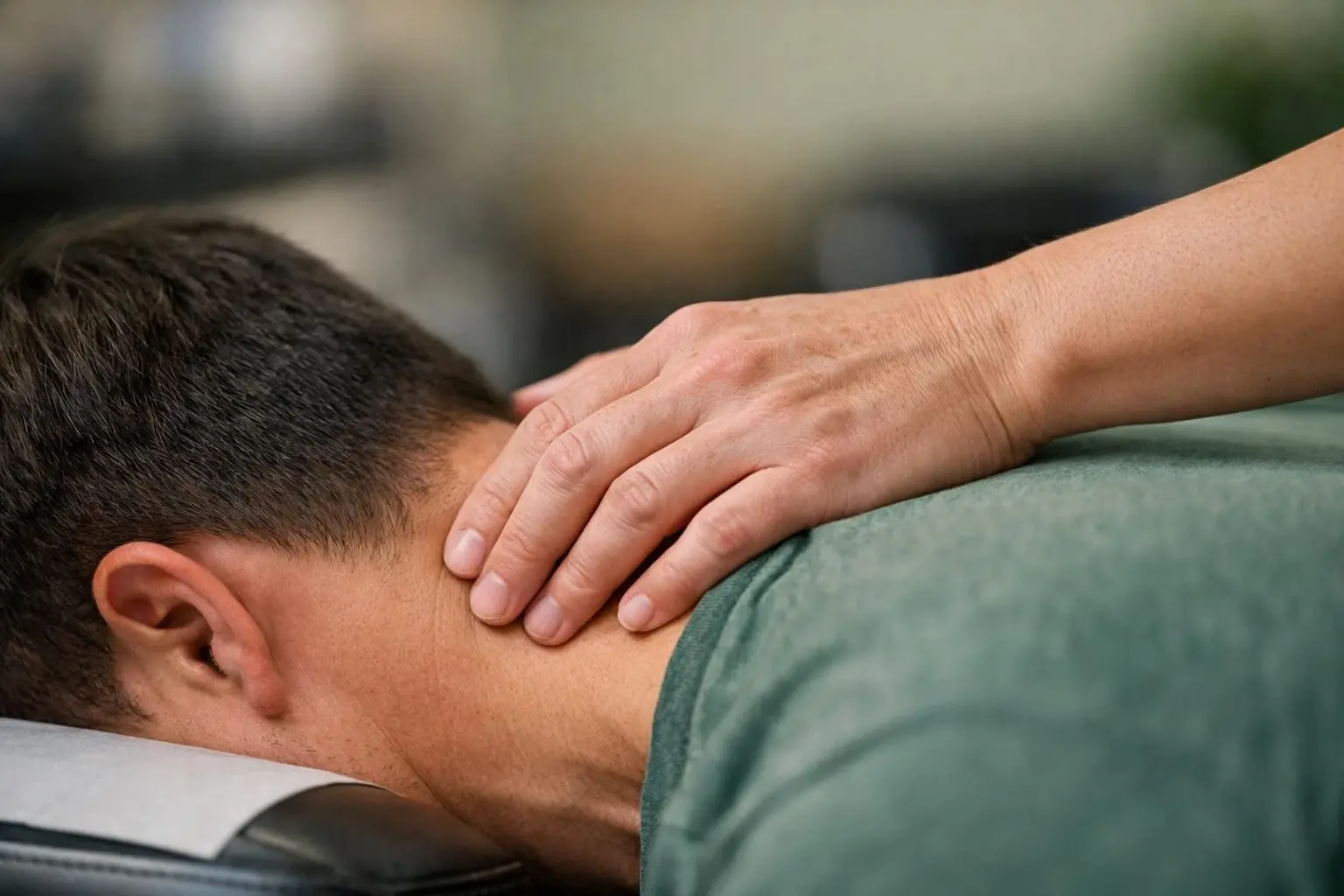
Mobilization is a manual therapy technique designed to improve joint function and reduce discomfort. Unlike high-velocity adjustments that produce a popping sound, mobilization uses slow, rhythmic movements to stretch and move joints within their normal range. This approach is particularly helpful for patients with stiffness, chronic pain. Or those recovering from injuries, as it focuses on restoring natural movement without force.
Related glossary terms: Chiropractic Adjustment, Spinal Manipulation, Physical Rehabilitation.
Chiropractors and physical therapists often use mobilization to address issues in the spine, shoulders, hips. And other joints. The technique is custom to each patient’s comfort level and can be adjusted based on their specific condition. Because it's gentle, mobilization is frequently recommended for older adults, individuals with arthritis. Or those who prefer a less intense form of therapy.
How Mobilization Works?
Mobilization works by applying controlled pressure and movement to a joint, encouraging it to move more freely. The therapist uses their hands to guide the joint through its natural range of motion, often repeating the movement several times to improve flexibility. This process helps stretch tight muscles, lubricate joint surfaces. And stimulate nerve function, which can reduce pain and improve mobility.
The technique is typically performed in a graded manner, meaning the therapist adjusts the intensity based on the patient’s response. For example, Grade I and II mobilizations involve small, gentle movements for pain relief. While Grade III and IV mobilizations use larger movements to improve joint range. The therapist may also combine mobilization with stretching or strengthening exercises to boost results.
Why Mobilization Matters?
Mobilization matters because it provides a safe and effective way to improve joint function without the risks associated with more forceful techniques. For patients with conditions like osteoarthritis, post-surgical stiffness. Or chronic pain, mobilization can help maintain or restore movement, making daily activities easier and less painful. It also plays a key role in rehabilitation, helping patients regain strength and flexibility after injuries or surgeries.
Another important benefit of mobilization is its ability to complement other treatments. For example, chiropractors often use mobilization alongside spinal adjustments, soft tissue therapy. Or exercises to create a full care plan. This approach ensures that joints move smoothly while surrounding muscles and tissues remain flexible and strong, reducing the likelihood of future injuries.
When Mobilization Matters Most?
Mobilization is particularly important for individuals who experience joint stiffness, pain. Or limited movement due to injury, aging. Or medical conditions. It is often recommended for patients recovering from car accidents, sports injuries. Or surgeries, as well as those with chronic conditions like arthritis or back pain. Because mobilization is gentle, it is also a preferred option for patients who are hesitant about more forceful adjustments or those with conditions that make high-velocity techniques unsafe.
In Riverdale, GA, mobilization is commonly used by chiropractors to help patients manage pain and improve mobility, especially for those dealing with workplace injuries, slip-and-fall accidents. Or long-term conditions like sciatica. The technique is also valuable for athletes looking to maintain flexibility and prevent injuries, as well as older adults seeking to stay active and independent. By addressing joint restrictions early, mobilization can help prevent more serious issues from developing over time.