Exploring Care Options for Chronic Pain
Chronic pain treatment becomes clearer when you track symptoms, identify possible causes, and set functional goals. Arrowhead Clinic Chiropractor Riverdale reviews your pain history, movement limits, and priorities with you. We then discuss care options such as chiropractic adjustments, massage therapy, and spinal decompression therapy within a personalized care plan.
Book a Free ConsultationOptions at a Glance
Each care option addresses different findings and goals. Our team connects the option to your symptoms, mobility needs, and daily function.
What Chronic Pain Symptoms Should You Track?
Chronic pain symptoms to track include where pain occurs, how it changes, which activities worsen it, and how it affects movement, sleep, and daily function. We use these details to understand your concerns during an evaluation.
What Can Contribute to Chronic Pain?
Chronic pain can be linked to injury, spinal and joint dysfunction, muscle tension, or irritation affecting nerves and surrounding tissues. We review these possible contributors with your history and movement findings.
How Should You Prepare to Explore Treatment Options?
Preparing to explore chronic pain treatment means organizing your pain history, current care, relevant health information, and the activities you want to improve.
Write down when symptoms began, what changes them, and which pain triggers affect your routine. Include your medical history, current treatment, medicines or other care you are using, and questions about possible care options. Clear information helps our team discuss a treatment plan that fits your priorities.
How Do You Set Goals for Chronic Pain Care?
Setting chronic pain care goals means choosing specific daily functions to improve and using those priorities to guide the care plan. Functional goals give our team a practical way to discuss mobility, sleep, comfort, and daily activities.
Which Chronic Pain Treatment Options Should You Discuss?
Chronic pain treatment options should be matched to the symptoms, movement limitations, care goals, and findings discussed during an evaluation. We explain what each option is intended to address and how it may fit your care plan.

| Option / System | Best For | Typical Lifespan / Turnaround | Key Trade-Offs |
|---|---|---|---|
| Chiropractic adjustments | Discussing spinal or joint movement findings related to functional goals. | Depends on the care plan and progress review. | Fit depends on examination findings and individual priorities. |
| Massage therapy | Addressing muscle tension and supporting movement-focused care. | Depends on the care plan and response to care. | Soft-tissue work may need to be coordinated with broader goals. |
| Spinal decompression therapy | Discussing symptoms involving the spine and related findings. | Depends on the recommended plan and progress review. | Use depends on whether the evaluation supports this approach. |
These options can address different parts of a broader care plan. We discuss whether one option or a coordinated approach fits your symptoms and treatment goals.
What Questions Should You Ask About Ongoing Chiropractic Care?
Questions about ongoing chiropractic care should clarify the care goal, what each visit addresses, how progress is reviewed, and what aftercare supports the plan.
Ask how the chiropractic care plan connects to your treatment goals and which findings guide each visit. Ask how we review progress, which changes should be reported, and what self-care or aftercare instructions support your daily activities. These questions help you understand the plan and take an active role in care.
How Can You Support Chronic Pain Care Between Visits?
Supporting chronic pain care between visits means following the agreed care plan, noticing symptom changes, and using safe movement and activity habits.
What Prevention Steps May Help Reduce Chronic Pain Flare-Ups?
Chronic pain prevention steps focus on sustainable movement, supportive posture, sensible activity changes, and attention to early symptom changes. We help connect these habits to your care goals.
How Do You Begin a Chronic Pain Care Plan?
Beginning a chronic pain care plan means discussing your symptoms and goals with Arrowhead Clinic Chiropractor Riverdale, reviewing suitable options, and requesting an exact care quote.
Our team can also explain how the recommended plan connects with your daily function and aftercare. Chronic Pain Treatment begins with a focused discussion of your symptoms and priorities.
How to Choose a Chronic Pain Care Plan
A chronic pain care plan should be chosen by comparing the recommended scope with your symptoms, goals, and practical needs. Use these questions during the discussion with our team.
Questions About Choosing Chronic Pain Care
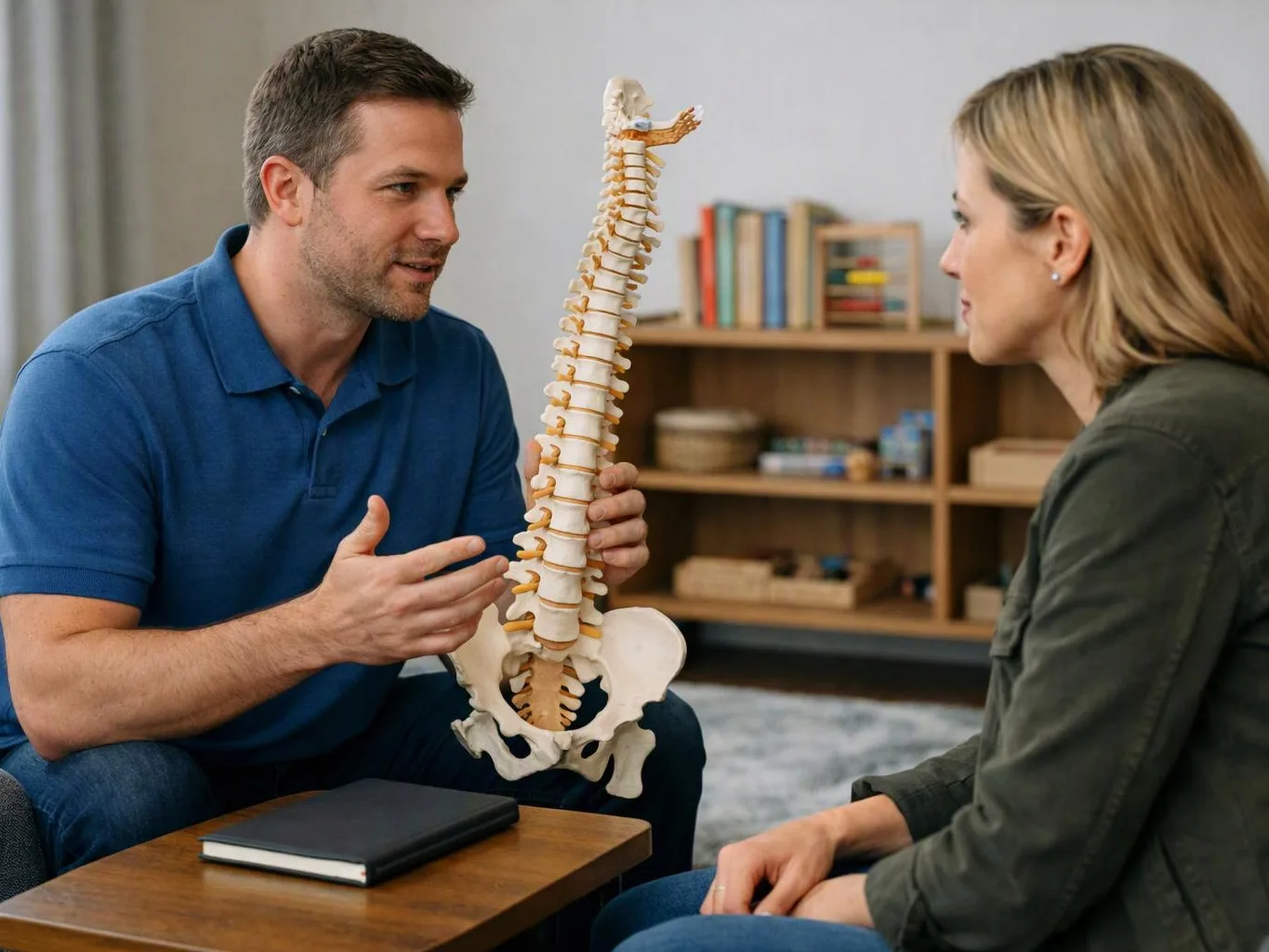
How do I explain my chronic pain to a chiropractor?
Arrowhead Clinic Chiropractor Riverdale can review your pain location, symptom changes, pain triggers, movement limitations, sleep disruption, and daily activities. Bring a clear pain history and explain what you want to improve.
What should I bring to a chronic pain consultation?
Bring your symptom history, medical history, current treatment information, questions, and treatment goals. A record of symptom changes can help our team understand how pain affects your mobility and daily function.
Can chiropractic care be combined with massage therapy for chronic pain?
Yes, chiropractic care can be combined with massage therapy when the combination fits the evaluation findings and treatment goals. We coordinate the care plan around joint movement, muscle tension, mobility, and daily function.
What should chronic pain aftercare include?
Chronic pain aftercare should include the agreed home care, movement habits, posture guidance, activity modification, and instructions for noticing symptom changes. We explain which aftercare steps support your care plan.
Start Discussing Your Chronic Pain Care Options
Arrowhead Clinic Chiropractor Riverdale helps you connect symptom tracking, treatment goals, and practical care options in a clear discussion. Request an exact quote based on the recommended care plan and its included services.
Get a Free EstimateRelated Resources
How to Choose a Chiropractor in Riverdale, Georgia
What's RequiredYour First Chiropractic Adjustment: Preparation, Visit Length, and Aftercare
What's RequiredSpinal Decompression Therapy: Preparation, Sessions, and Aftercare
What's RequiredQuestions to Ask Before Prenatal Chiropractic Care