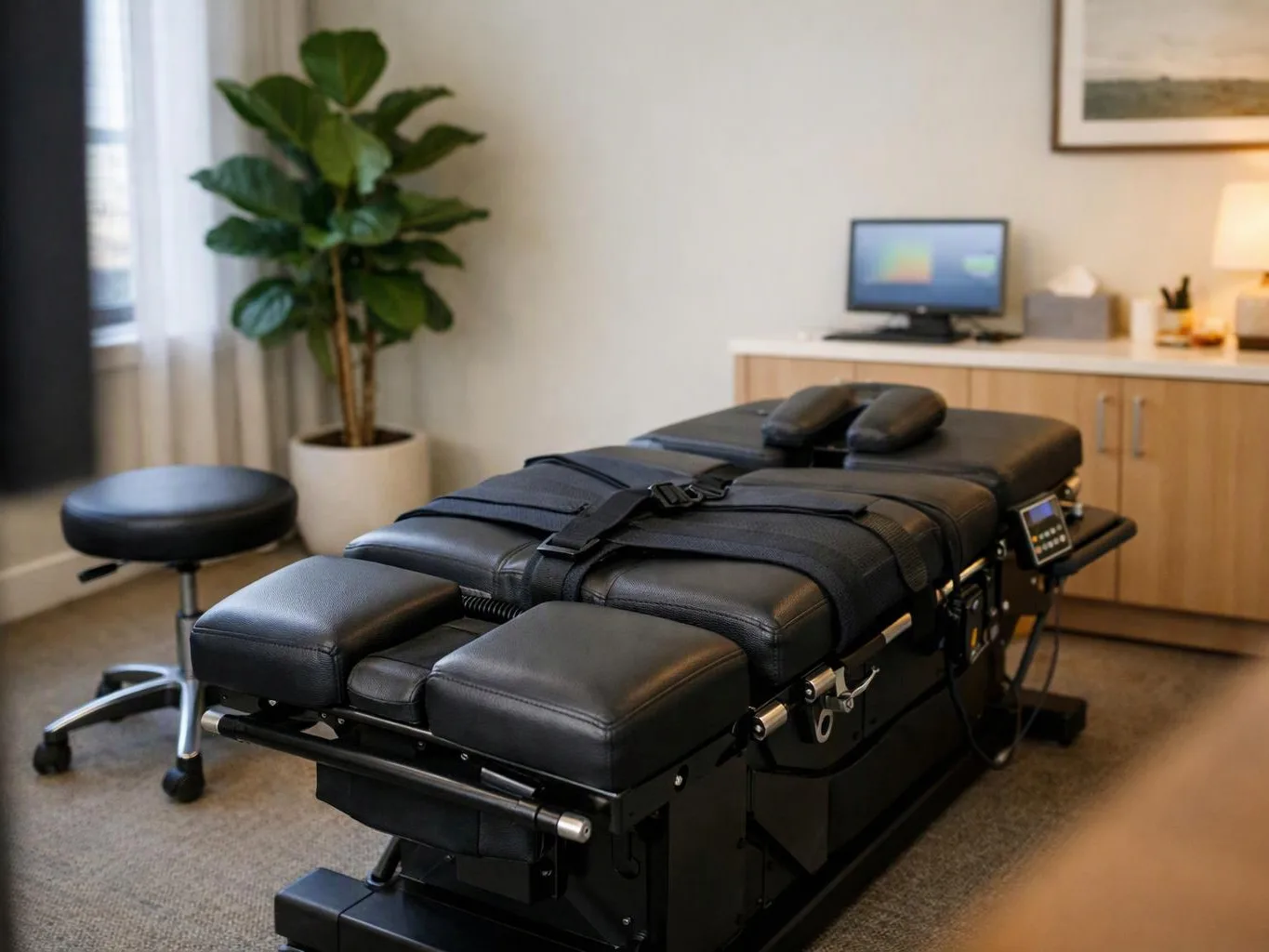
Spinal Decompression Therapy: Preparation, Sessions, and Aftercare
Spinal decompression therapy at Arrowhead Clinic Chiropractor Riverdale begins with a health review and treatment plan, continues with supported positioning and guided table-based therapy, and ends with aftercare guidance tailored to your response.
Book a Free ConsultationWhat Happens During a Spinal Decompression Therapy Session?
Spinal decompression therapy includes a health review, treatment positioning, controlled table movement, comfort checks, and post-session guidance. We use the chiropractic evaluation to understand your symptoms and shape a treatment plan.
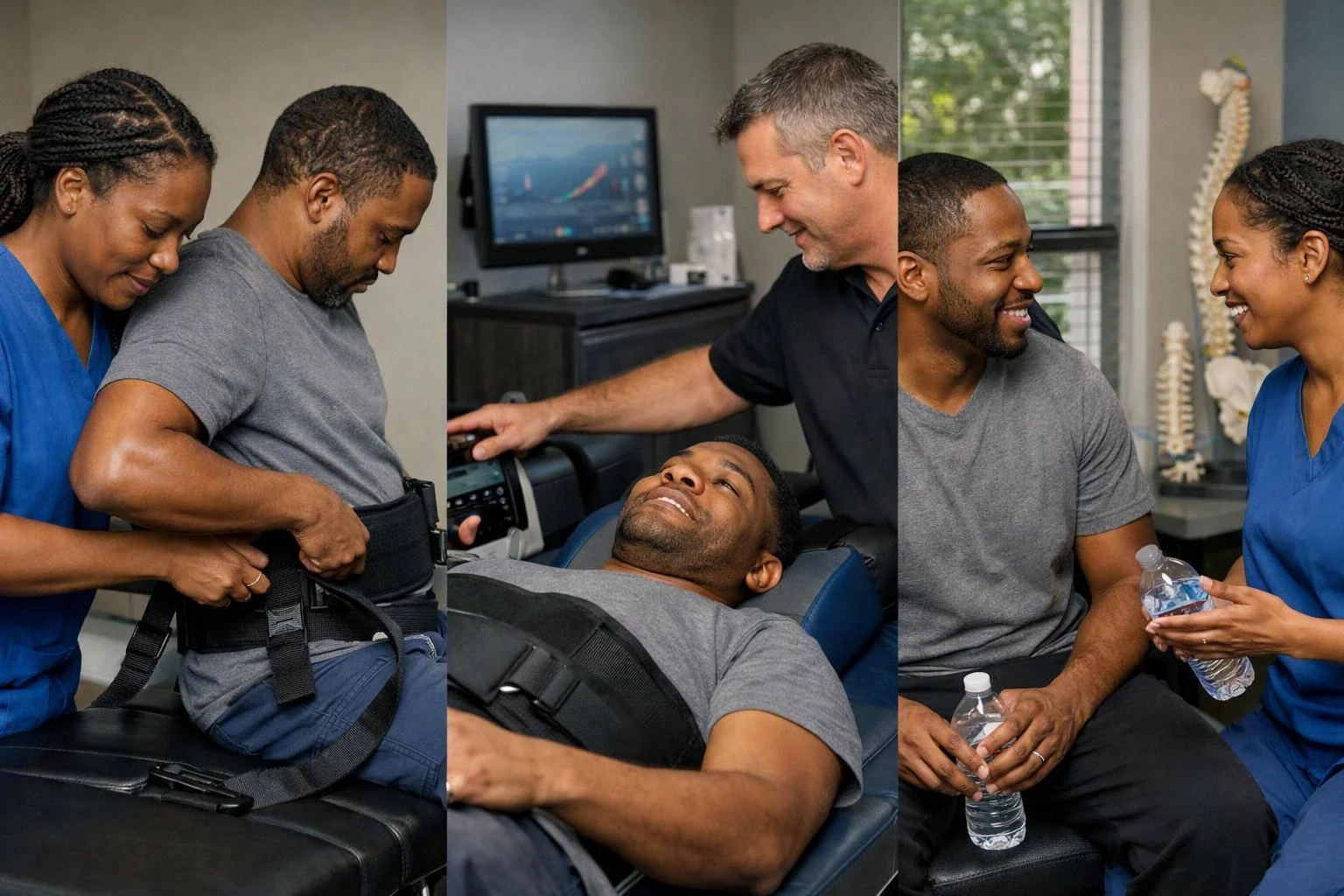
During the session, we position your body on a decompression table and guide the table through controlled movements. We also check patient comfort and communication throughout the treatment.
How to Prepare for Spinal Decompression Therapy
Preparing for spinal decompression means giving us clear health information and arriving ready for supported movement. These steps help our team understand your needs before treatment begins.
Food choices before treatment are usually based on your comfort and personal health needs. Tell our team about anything that may make lying down or changing positions uncomfortable.
What We Check Before Treatment Begins
Arrowhead Clinic Chiropractor Riverdale reviews your symptoms, health history, and examination findings before deciding whether spinal decompression therapy fits your needs. Our team uses this information to assess treatment suitability.
The symptom history helps us understand when your concerns began, what affects them, and how they influence movement. We also complete a spine assessment and physical examination so the treatment plan reflects your condition.
We offer Free Consultations so you can discuss your concerns and ask questions before care begins. Our approach focuses on individual assessment rather than assuming that the same table-based treatment suits every person.
What to Expect While You Are on the Decompression Table
The decompression table supports your body while we guide positioning and controlled traction. Your comfort and ability to communicate remain part of the session.
Controlled traction is intended to provide a guided pulling action through the treatment area. We make table adjustments based on the plan and your response during the session.
How Comfort and Treatment Response Are Monitored
Spinal decompression therapy is monitored through your feedback and treatment response so adjustments can support comfort and the planned clinical goal. Our team uses patient communication throughout the session.
Your comfort level may guide changes to positioning, table movement, or the treatment approach. We also ask about symptom response during and after care so the treatment plan can remain appropriate.
Chiropractic monitoring helps us notice whether the session feels manageable and whether any new concern needs attention. You should describe unusual sensations clearly instead of trying to tolerate them silently.
What to Do After a Spinal Decompression Therapy Session
Post-session aftercare helps you understand your response and follow the plan discussed with our team. The guidance may change based on your symptoms, comfort, and daily activities.
Aftercare is not a promise of a universal response. We use your feedback and follow-up care needs to guide future decisions.
When to Contact the Clinic After Treatment
Contact the clinic when symptoms after treatment feel unusual, new, or more severe than expected. Clear communication helps our team decide what follow-up care may be appropriate.
Severe or rapidly developing symptoms require urgent medical attention. Contact emergency services when immediate help is needed.
Questions to Ask Before Starting Spinal Decompression Therapy
Questions to ask a chiropractor should focus on your goals, assessment, expected sensations, and aftercare. The answers can help you understand how the proposed treatment plan fits your needs.
| Topic | Question to ask |
|---|---|
| Treatment goals | How does this approach relate to my treatment goals? |
| Clinical assessment | What did the chiropractic evaluation show? |
| Expected sensations | What sensations should I communicate during table-based treatment? |
| Aftercare instructions | What activity guidance should I follow after the session? |
| Treatment plan | How will my response shape future treatment planning? |
| Consultation | What should I bring to the consultation? |
These questions create a clear conversation before treatment begins. Our team can explain the proposed approach in plain language and address concerns about positioning, communication, and aftercare.
How We Explain Treatment Planning and Consultation Options
Arrowhead Clinic Chiropractor Riverdale explains the proposed treatment plan during a consultation, including the assessment process, session approach, and factors that shape care recommendations.
Our team reviews your individual assessment before discussing spinal decompression therapy. We explain how supportive positioning, controlled traction, comfort monitoring, and aftercare may fit the plan.
Bring your symptom history, medication information, and treatment goals to the consultation. Contact us through our consultation page to discuss your next step.
Arrowhead Clinic Chiropractor Riverdale is here to explain your options and guide the consultation process.
Questions About Spinal Decompression Therapy Sessions
What should I wear to a spinal decompression therapy session?
Arrowhead Clinic Chiropractor Riverdale recommends comfortable clothing that allows supported positioning and easy movement during treatment.
Can I eat before spinal decompression therapy?
Yes, food before spinal decompression therapy is generally based on your comfort and personal health needs. Tell our team if eating or lying down affects how you feel.
What does spinal decompression therapy feel like?
Spinal decompression therapy may feel like guided table movement and controlled pulling through the supported treatment area. Tell our team if a sensation feels uncomfortable or unusual.
What should I tell the chiropractor before spinal decompression therapy?
Tell the chiropractor about your symptoms, medical history, medications, health conditions, and treatment goals. This information helps our team assess whether the planned approach is suitable.
What symptoms should I report after spinal decompression therapy?
Report new or worsening symptoms, unusual pain, numbness, weakness, or loss of coordination after spinal decompression therapy. Rapidly developing or severe symptoms require urgent medical attention.