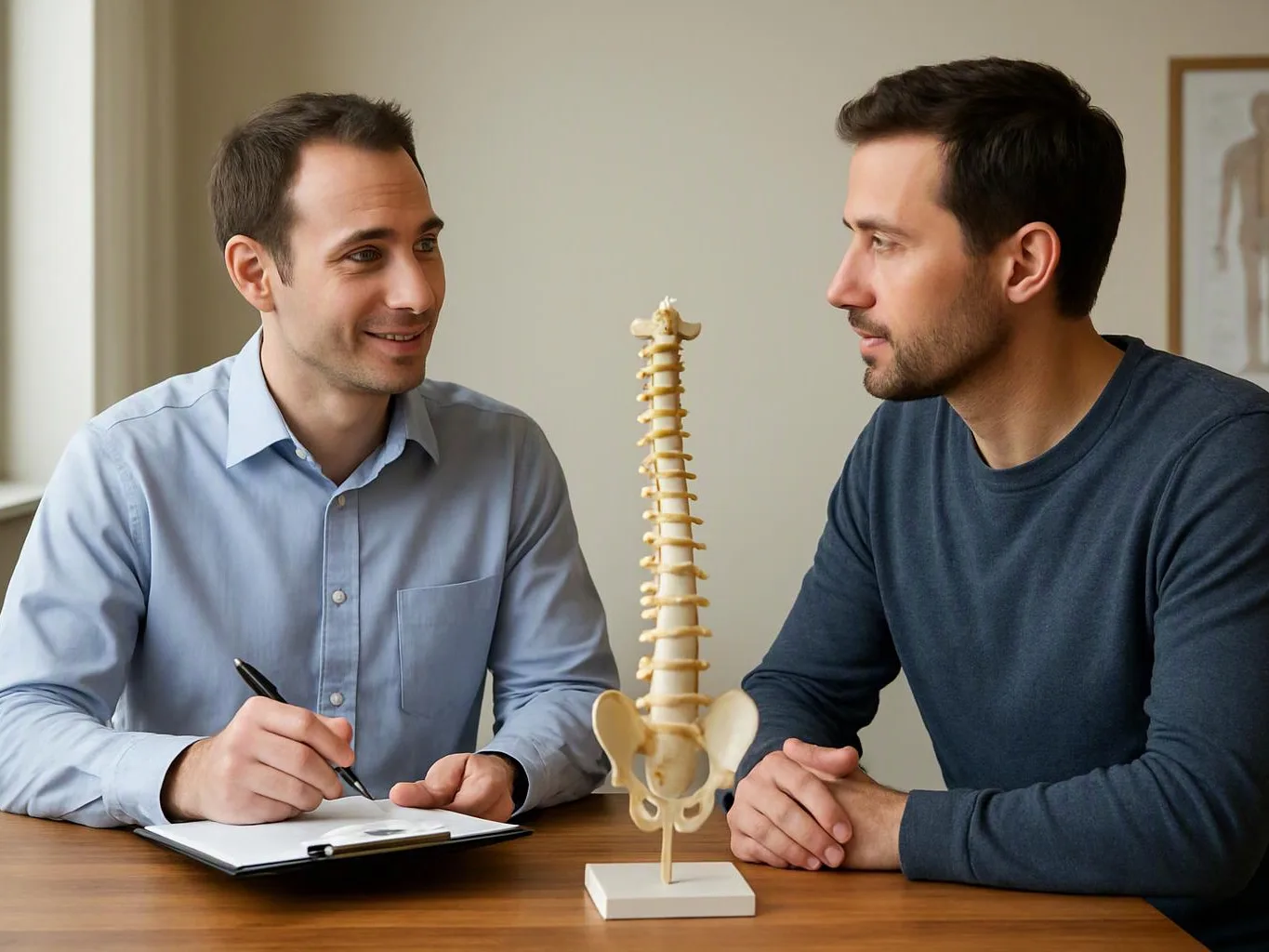
What causes sciatic nerve pain?
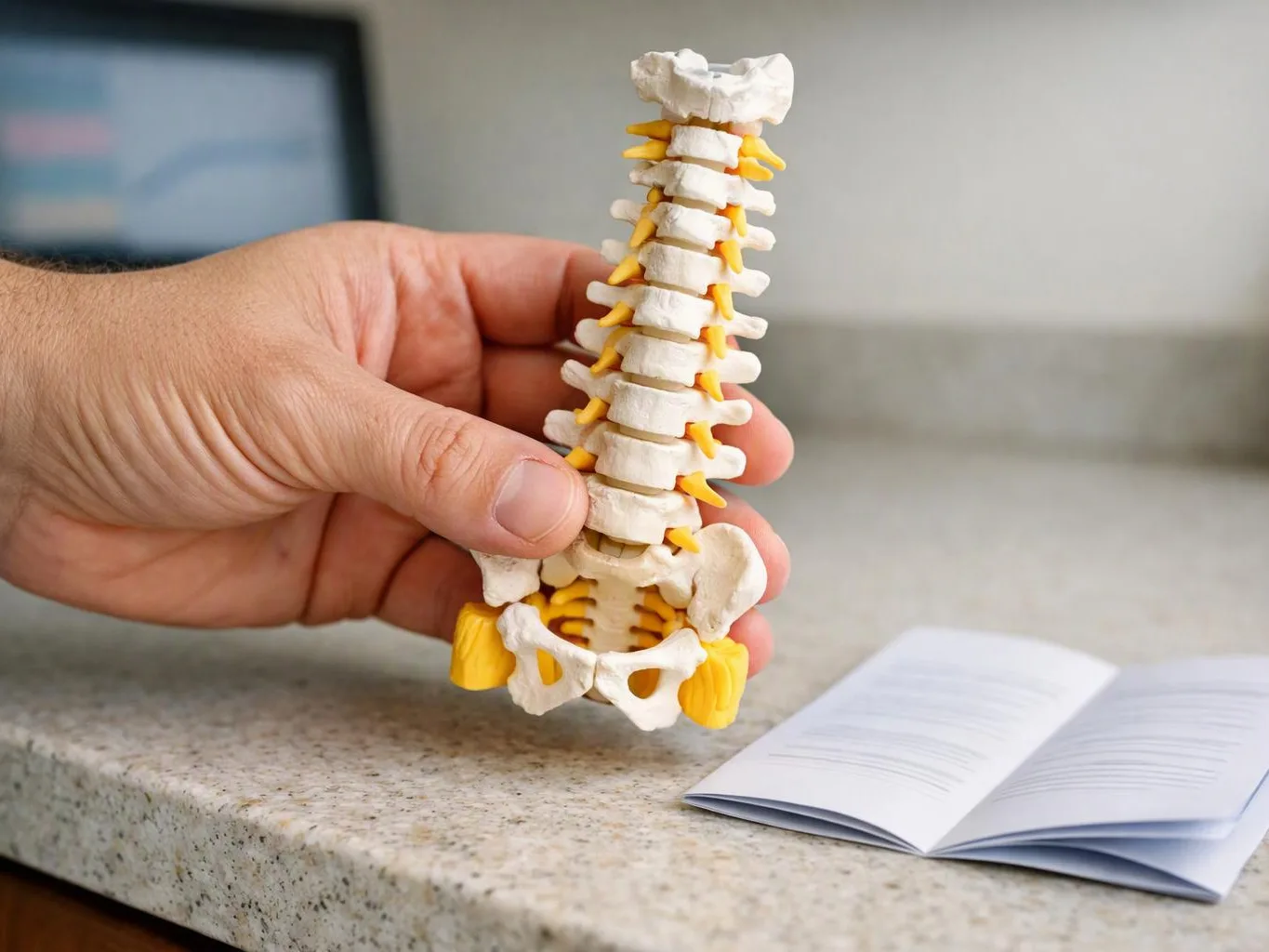
Spinal stenosis can narrow space around a nerve, and Arrowhead Clinic Chiropractor Riverdale evaluates that concern during sciatic care. Disc herniation, nerve compression, and muscle spasms may also contribute. Our team reviews the symptom pattern, health history, posture, and movement before explaining whether chiropractic care fits. Individual response differs, so the assessment guides the plan.
What does the care team look at first?
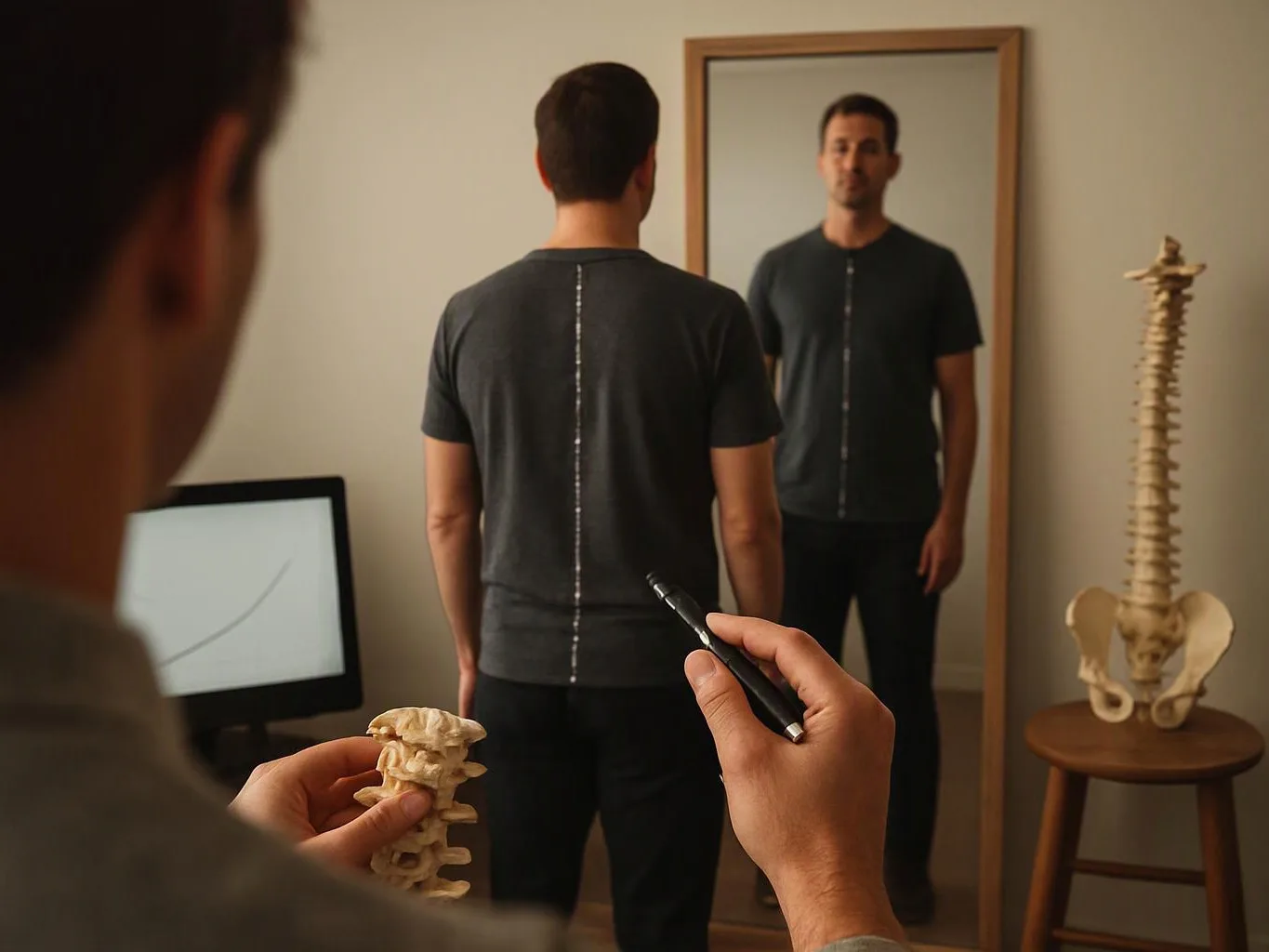
The symptom pattern comes first, including pain location, travel into the leg, movement limits, and changes during daily activity. A health history follows, then posture and movement checks. These steps help connect your concerns with a suitable care plan. The team explains the findings before any adjustment or corrective guidance begins.
What should be checked before treatment is scheduled?
A health history and clinical assessment should be checked before treatment is scheduled. Patients should share current symptoms, past injuries, health concerns, and changes in strength or movement. Our team uses those details to judge fit and explain next steps. Symptoms that fall outside chiropractic care may need another medical evaluation.
Who is a good fit for this care, and who needs a different service?
Patients with sciatic pain linked to movement, posture, or spinal concerns may fit this care. Severe, changing, or unusual symptoms may need a different medical service. We review the history and exam before recommending care. That discussion helps separate a chiropractic concern from a problem requiring another form of assessment.
How does a disc herniation change the assessment?
A disc herniation makes the symptom pattern and movement findings especially important during assessment. We discuss where pain travels, what positions affect it, and whether strength or function has changed. Those findings shape the care discussion. We do not assume that every disc concern should receive the same adjustment plan.
Which care options may be discussed for sciatic pain?
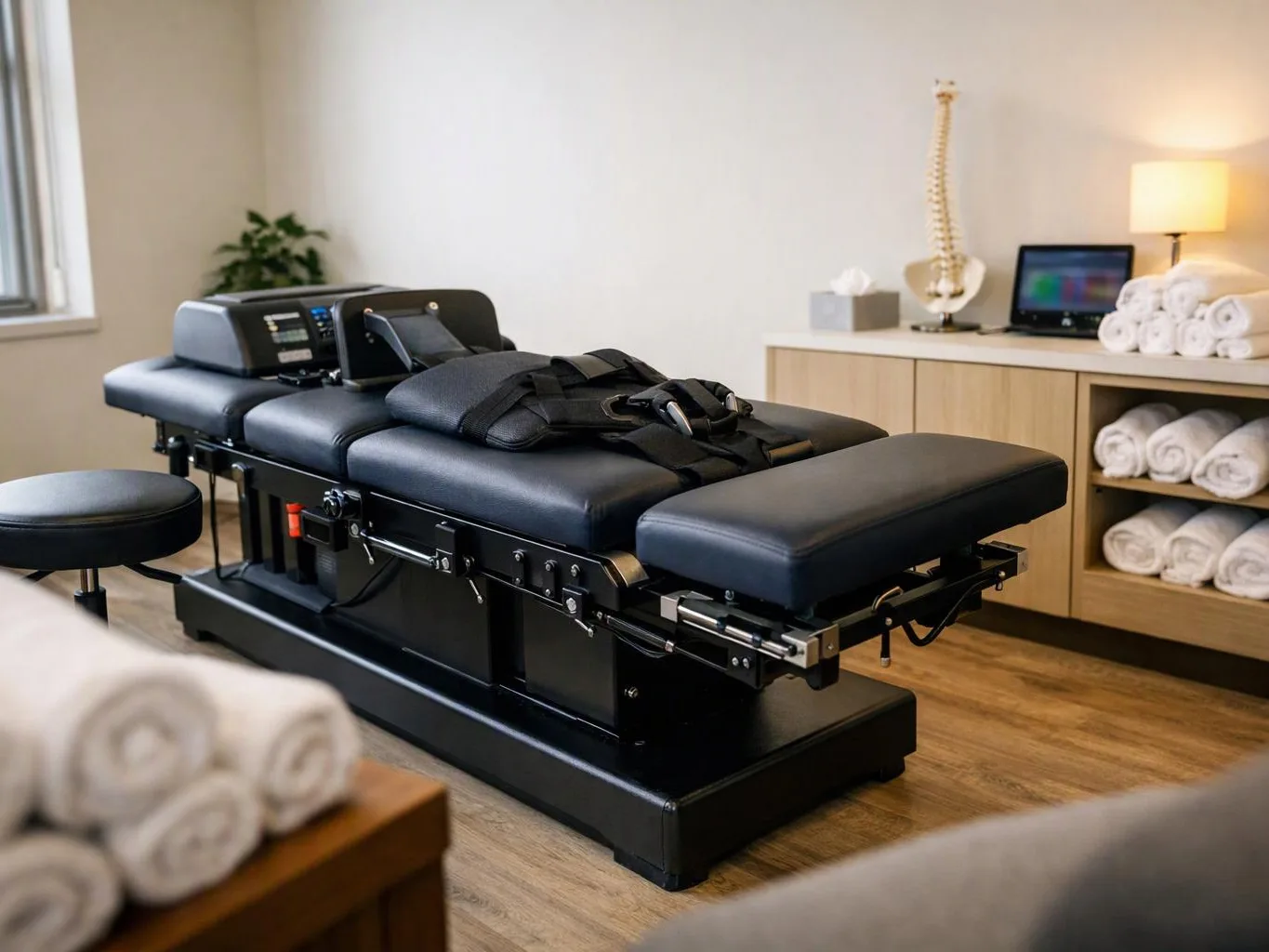
Chiropractic adjustments, posture guidance, corrective treatment, and wellness recommendations may be discussed after assessment. The suitable option depends on the patient's health history, movement, and goals. We explain each proposed step before care. Patients can ask questions about the purpose and limits of each option.
Why can sciatic pain return after it improves?
Sciatic pain can return when the factors affecting movement or posture remain active. Daily lifting, sitting, or other habits may influence symptoms, but each case needs its own review. We discuss movement patterns and wellness guidance during care. Regular maintenance may be considered when it matches the patient's goals.