Understanding Disc Herniation
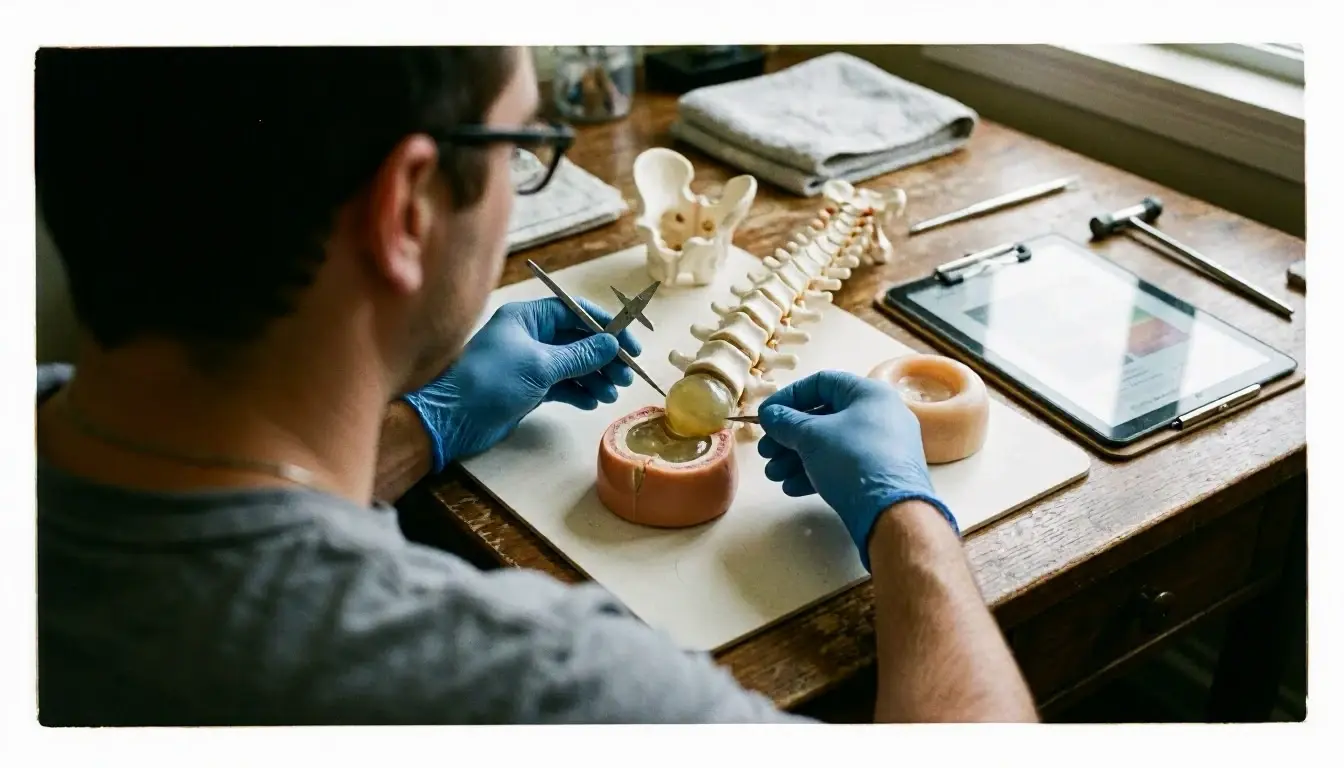
A spinal disc has a soft center. This center is like jelly. It's called the nucleus pulposus.
Related glossary terms: Back Pain, Sciatica, Lumbar Spine.
This center can push through a crack. The crack is in the disc's outer layer. That layer is called the annulus fibrosus.
The spine has bones called vertebrae. Each bone has a disc between it. These discs act like cushions.
Discs help absorb shock. They let the spine move easily. Over time, discs can weaken.
Age, injury. Or stress can weaken discs. Weak discs can herniate (bulge out). This happens more often then.
When a disc herniates, it leaks material. This can press on nerves. It can also press on the spinal cord.
Nerves in the spine go to other body parts. Where the herniation is changes where you feel pain.
A herniated disc in the lower back hurts legs. It can cause tingling or weakness. The lower back is called the lumbar spine.
A herniated disc in the neck hurts arms. It can also hurt shoulders. The neck is called the cervical spine.
Not all herniated discs cause pain. When they do, pain can be mild or very bad.
How Disc Herniation Happens?
Disc herniation usually happens slowly. This is from wear and tear. It's called degeneration.
As people age, discs lose water. They become less flexible. This makes tears more likely.
Heavy lifting can raise the risk. So can twisting or bending. This is worse if the spine is weak.
Falls or car accidents can cause herniation. They can push the spine too far.
Doctors check for nerve function first. They test muscle strength. They look for what causes pain.
MRI or CT scans can show the herniation. These tests find where it is. They show how bad it is.
X-rays don't help much. They can't see herniated discs. But they can rule out other problems.
Treatment helps with pain. It reduces swelling. It helps you move better.
Why Disc Herniation Matters?
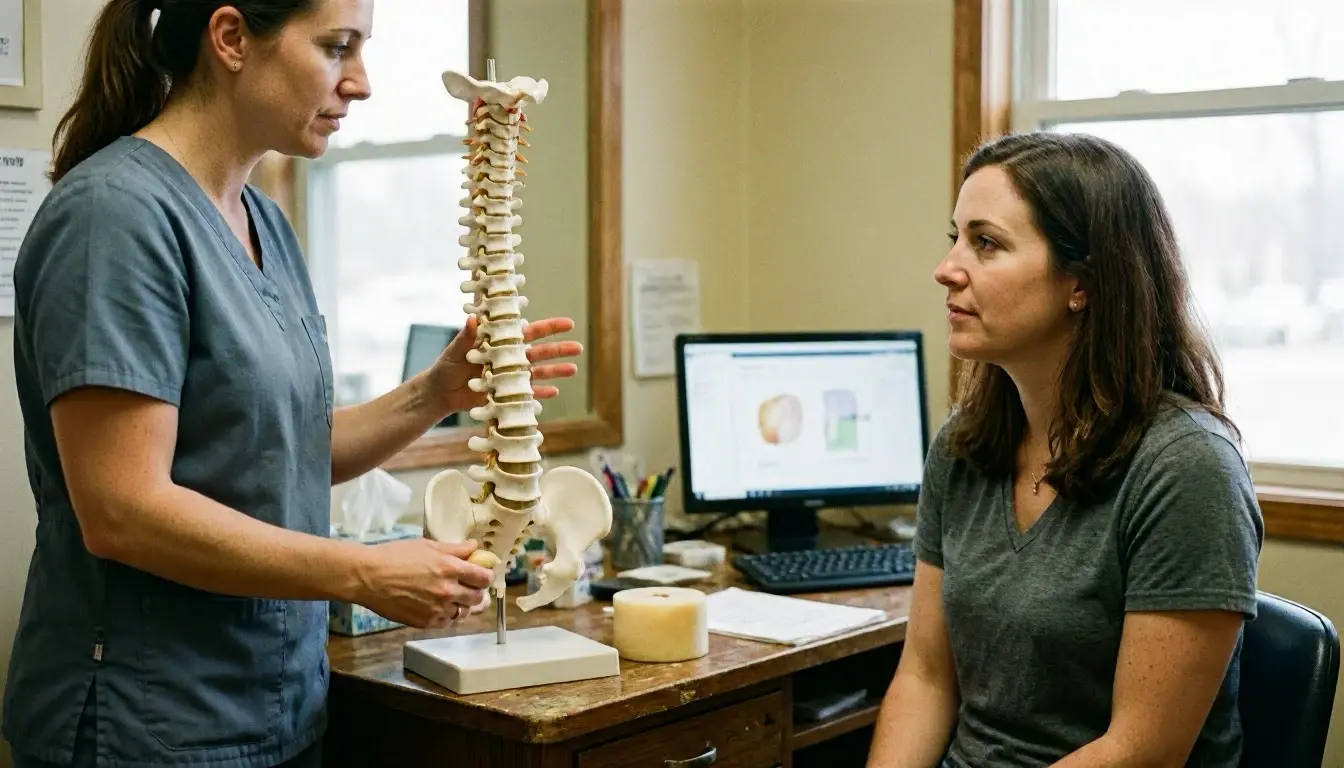
Disc herniation can hurt daily life. It can cause pain. It can limit movement.
Some people feel weak in certain areas. Pain may go away with rest. Others have pain that comes back.
If not treated, nerves can get damaged. You might lose function. Getting help early is important.
Knowing about the condition helps. You can choose treatments. These include therapy or chiropractic care.
Surgery is rare. It's only for very bad cases.
Chronic pain can affect your mind. It can cause stress. It can lead to anxiety or sadness.
Pain can mess with work or sleep. It can stop daily activities. Getting help can make life better.
Many people get better without surgery. They can go back to normal. They don't need an operation.
When Disc Herniation Matters Most?
See a doctor if pain won't go away. Also go if you feel numb or weak. This can happen in arms, legs. Or back.
Trouble walking or standing is a sign. So is losing control of your bladder. This is rare but serious.
People with hard jobs are at risk. So are athletes. Those with back problems should be careful.
Mild cases may get better with rest. Ice or heat can help. So can pain relievers.
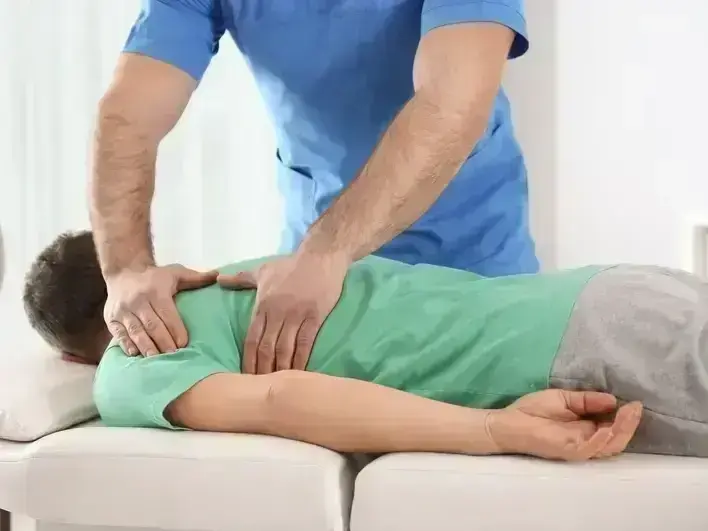
Bad cases may need therapy. A chiropractor can help. Shots can reduce swelling.
Surgery is not common. It's only if other treatments don't work. It's for severe nerve pressure.
Getting help early is best. It leads to better results. Know the signs and see a doctor soon.