Understanding Adjustment

An adjustment is a hands-on treatment. Chiropractors do it to help joints move right. Stiff or crooked joints can cause pain. They can also limit movement.
Related glossary terms: Chiropractic Adjustment, Spinal Manipulation, Mobilization.
They may irritate nerves too. Adjustments use a quick, gentle push. This brings back normal joint motion. It's sometimes called a spinal adjustment. Or chiropractic manipulation.
Chiropractors learn for years. They learn to do adjustments safely. They also learn to do them well.
Adjustments aren't like cracking knuckles. The sound is gas leaving the joint. It's not bones cracking. Chiropractors check health history first.
They do exams too. This makes sure adjustments are safe. Adjustments can be done on many joints. These include the spine, shoulders. And hips.
They can also be done on knees. The goal is to help you move better. It also cuts pain without medicine.
How Adjustment Works?
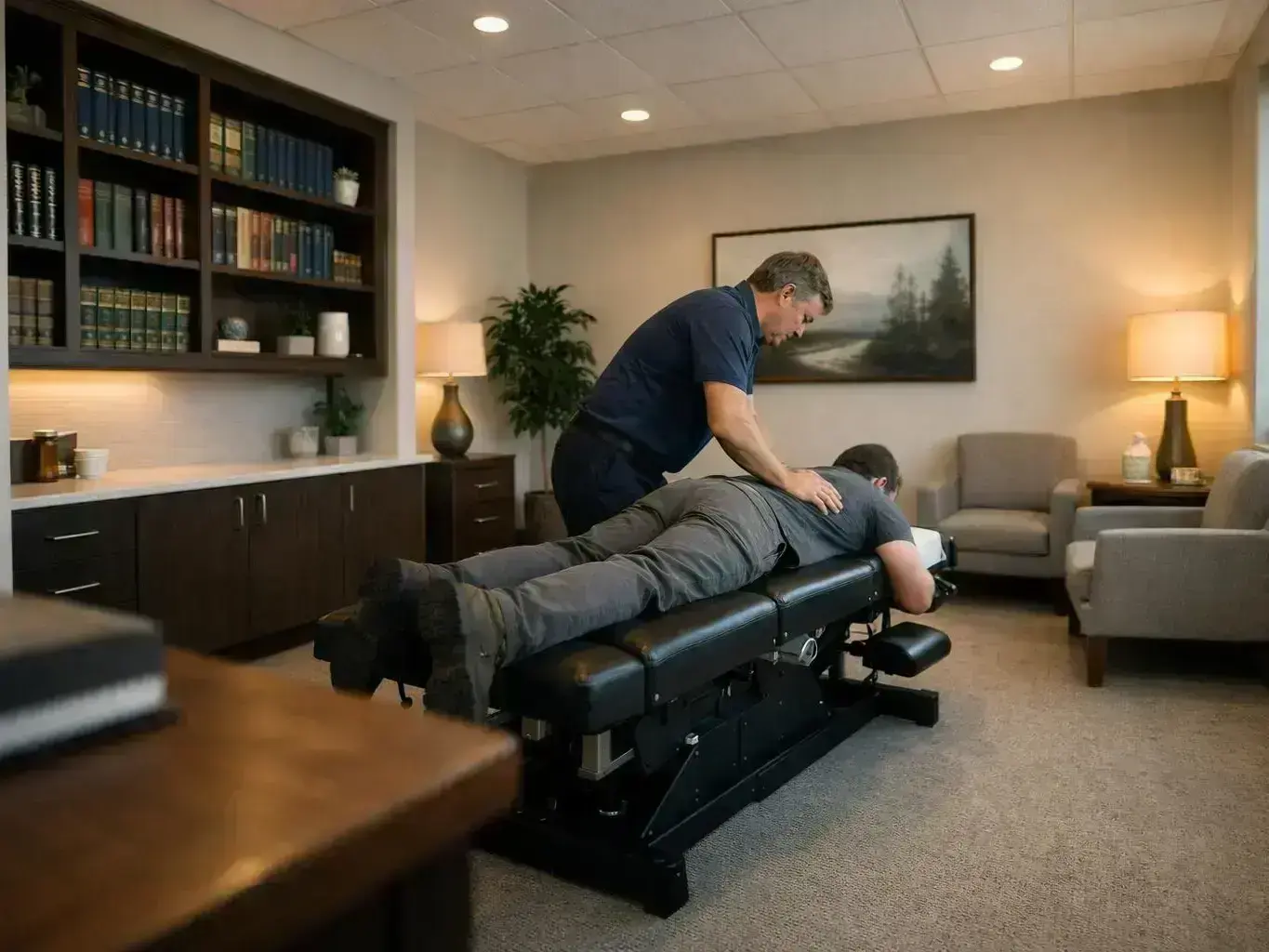
During an adjustment, you lie on a soft table. The chiropractor puts you in a comfy spot. They use hands or a small tool.
They give a quick, controlled push. This helps the joint move right. Many people feel better right away.
Some may feel a little sore. It's like starting a new workout. Chiropractors use different ways to adjust.
Some use gentle pressure. Others use a quick push. Tools like the Impulse Adjusting Instrument help too.
It gives a precise push. No hands are needed. The chiropractor picks the best way for you.
They think about your age and health. They also think about what you like. Adjustments often come with other help.
This can be stretching or exercise. It can also be soft tissue work. This gives better results.
Why Adjustment Matters?

Adjustments help avoid surgery. They also help avoid pain medicine. When joints move right, nerves work better.
Muscles relax too. Pain goes down. Many people get adjustments for back pain.
They also get them for neck pain. Or headaches. Or stiffness after injuries.
Adjustments can help with posture. They can help with sports too. They help with daily tasks like sitting.
Or lifting. Regular adjustments keep joints healthy. They may stop future pain.
Research shows adjustments work well. They help as much as physical therapy. Or medicine for back pain.
Pain pills just hide the pain. Adjustments fix the real problem. That's why many people like them.
They want natural care. They don't want surgery. Adjustments are safe for most people.
Even kids and older adults can get them. But only from a licensed chiropractor.
When Adjustment Matters Most?
Adjustments help most when pain won't go away. Or when it stops you from daily tasks. People often get them for sudden back pain.
Or for neck stiffness. Or headaches. Or pain from sitting too long. Adjustments can help after injuries too.
Like car accidents. Or sports hits. Or falls. People with long-term pain may get regular adjustments.
This can be for sciatica. Or arthritis. Adjustments help with pain and stiffness.
Some cases need extra care. Chiropractors don't adjust broken bones. Or infected areas.
Or places with bad nerve damage. They change how they adjust for pregnant women. Or people with weak bones.
Or those healing from surgery. A full exam helps the chiropractor decide. They see if adjustments are safe for you.
Always tell your full health story. This helps the chiropractor give the best care.