Understanding Spinal Decompression
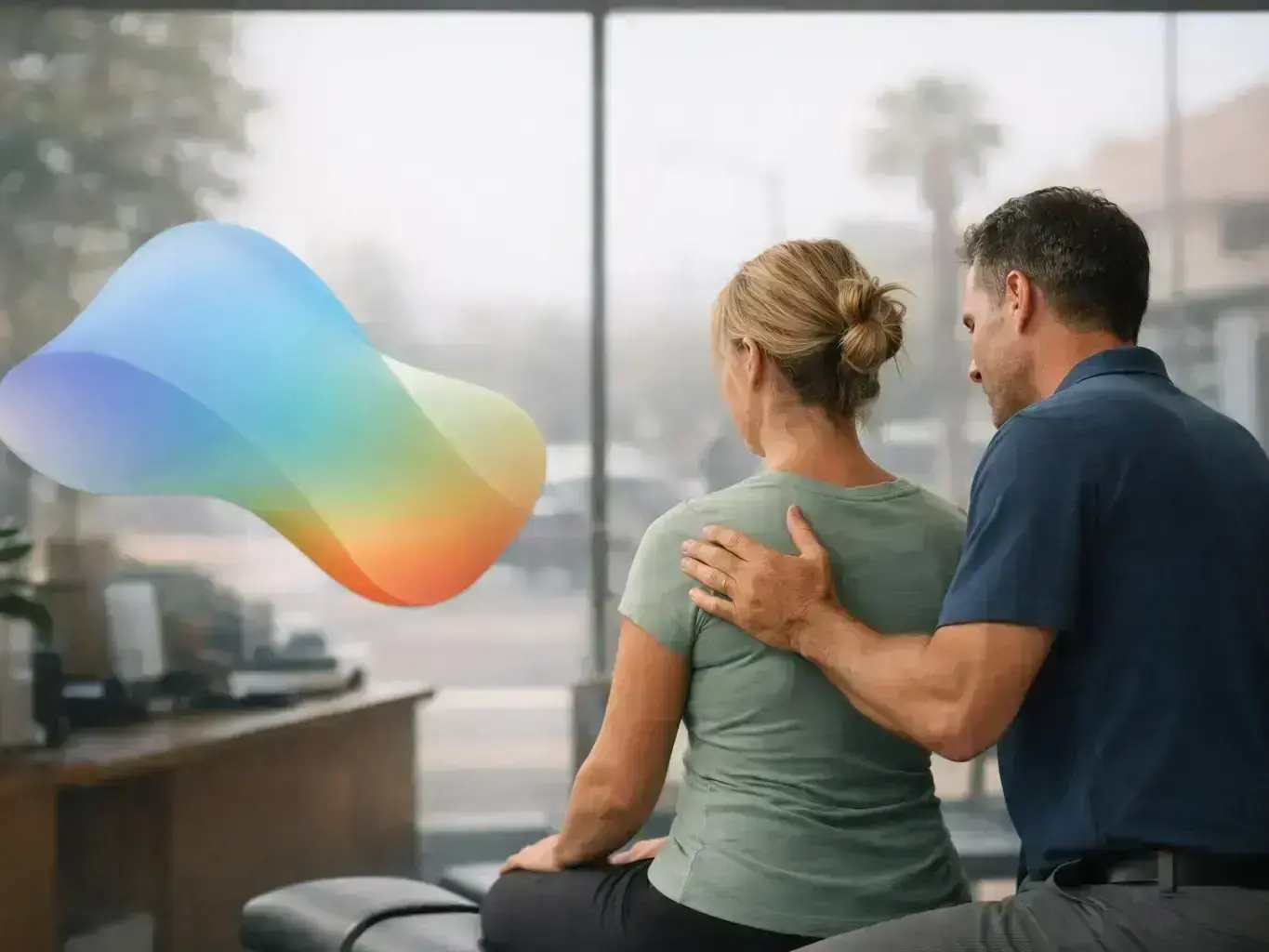
Spinal decompression helps with pain. It eases pressure on the spine. This pressure often comes from problems like herniated discs.
Related glossary terms: Decompression Therapy, Herniated Disc, Sciatica.
Herniated discs happen when discs bulge or break. This can hurt a lot. Another problem is degenerative disc disease (when discs wear out).
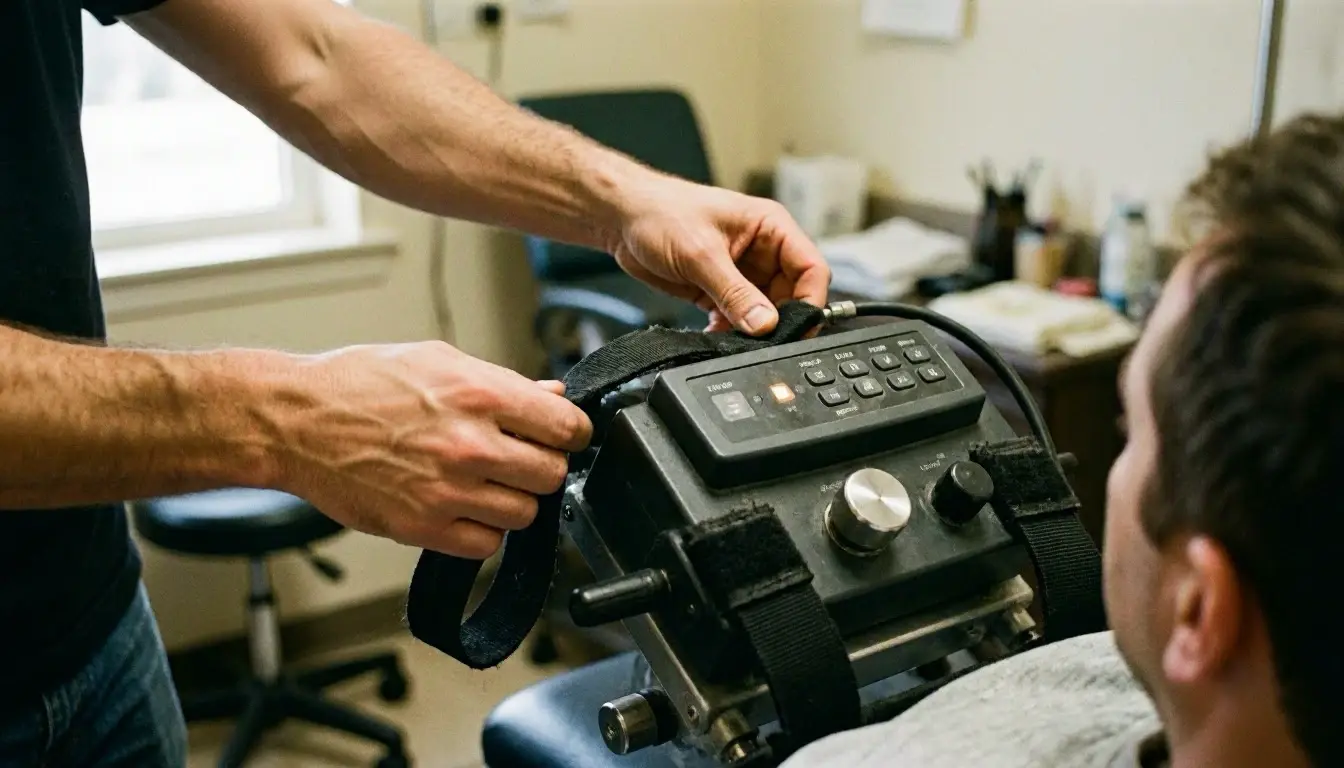
This treatment is not surgery. Surgery removes parts of the spine. Instead, a special table gently stretches your spine.
Stretching makes a vacuum inside your discs. This can pull bulging discs back. It also takes pressure off nerves.
How Spinal Decompression Works?
The goal is to stop pain. It helps you move better. It also helps your body heal itself.
Doctors often suggest this if other treatments don’t work. Other treatments include medicine or physical therapy. It’s also different from chiropractic care (neck or back adjustments).
This treatment doesn’t hurt. A trained worker does it in a clinic.
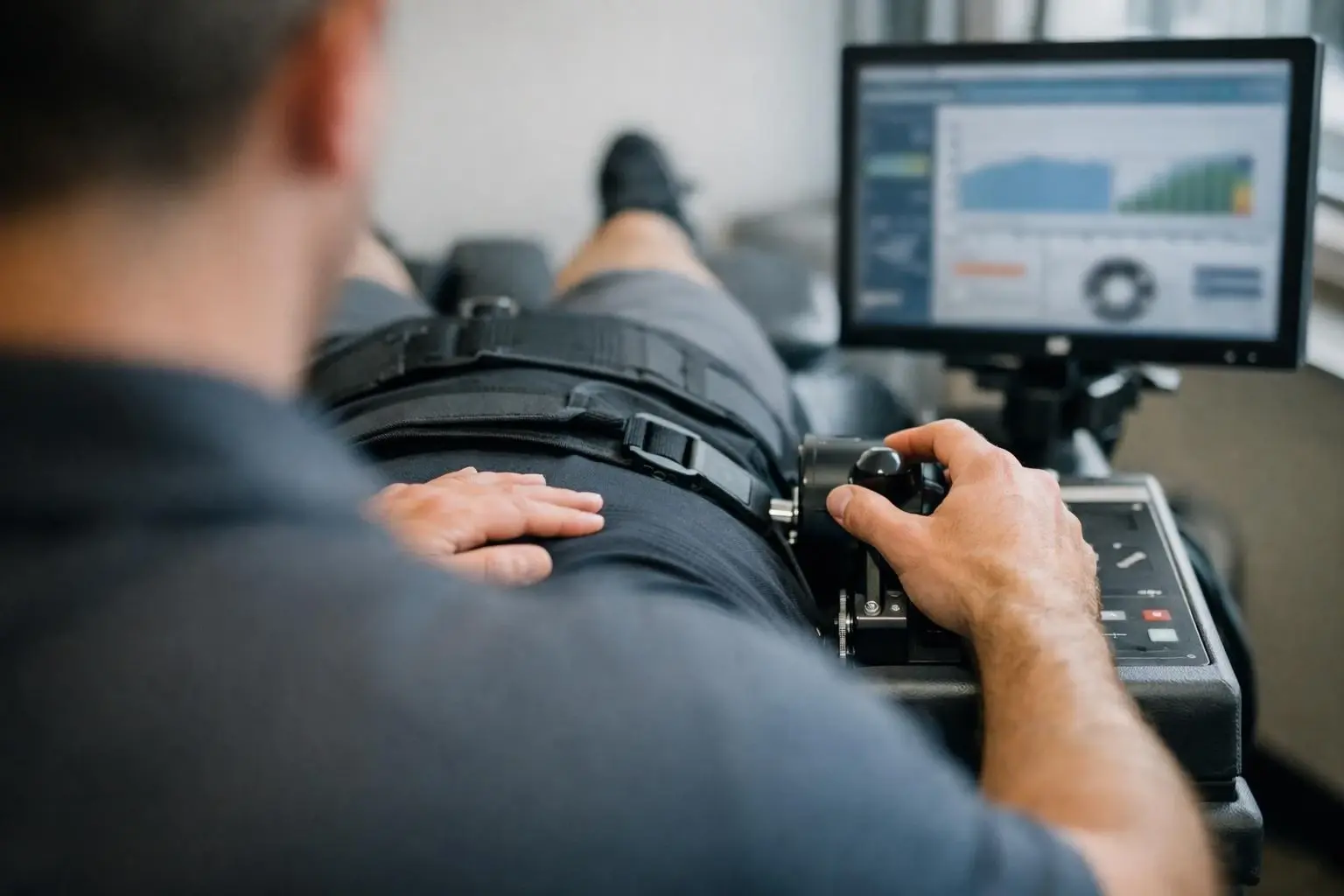
You lie on a table during the session. The table moves to stretch your spine. You’ll wear a harness to stay in place.
The table moves slowly. It stretches, then relaxes. Each stretch lasts 30 to 60 seconds.
A session takes 30 to 45 minutes. The stretch creates space in your discs. This brings in nutrients and oxygen to help them heal.
The space also pulls bulging discs back. This eases pressure on nerves. It can stop pain, numbness. Or tingling.
These feelings often go down your arms or legs. Most people need 15 to 30 sessions. These happen over a few weeks.
Some clinics add other treatments. These may include heat, ice. Or electric pulses. Ultrasound (sound waves) can also help.
Why Spinal Decompression Matters?
Spinal decompression is important. It helps people avoid surgery. Surgery can be risky and costly.
It also takes a long time to recover. This treatment is safer. Most people go home right after.
It has few side effects. It can also cut down on pain medicine. Medicine often has bad side effects.
Some people get hooked on pain pills. This treatment can help them stop.
Many people feel much better after. It helps them move again. They can do things they love without pain.
It also helps discs heal. This fixes the real problem. It doesn’t just cover up the pain.
This makes it great for long-term help. It’s a good choice for spinal problems.
When Spinal Decompression Matters Most?
This treatment helps with back or neck pain. It works for problems like herniated discs. Bulging discs or worn-out discs can also get better.
It helps with sciatica too. Sciatica is leg pain from pinched nerves. People who tried other treatments may find relief here.
Other treatments include medicine or therapy. Chiropractic care (neck or back adjustments) is another option.
Some people should not try this. People with very weak bones may not be safe. This is called severe osteoporosis.
People with broken spines or infections can’t do it. Those with tumors or metal in their spine should avoid it. Pregnant women should not try it either.
A doctor will check your health first. They’ll see if this treatment is right for you. People in Riverdale, GA, can try this before surgery.