Glossary

What is Sciatica?

Sciatica is sharp, burning. Or shooting pain that travels from the lower back down the back of one leg, often reaching the foot. Sciatica occurs when the sciatic nerve—the longest nerve in the body—is compressed, irritated. Or inflamed, usually by a herniated disc, bone spur. Or muscle tightness in the lower spine.

Reviewed by ChiropractorRiverdale.linkSources reviewed: Mayo Clinic, Cleveland Clinic

Quick Facts About Sciatica

Category

Nerve pain condition

Used for

Diagnosing leg pain originating from the lower back

Common confusion

Often mistaken for general back pain or muscle strain

Also called

Sciatic nerve pain, Sciatic neuritis

Often discussed with

Chiropractic Consultation and Diagnosis, Personal Injury Chiropractic Care

Key Takeaways About Sciatica

Understanding Sciatica
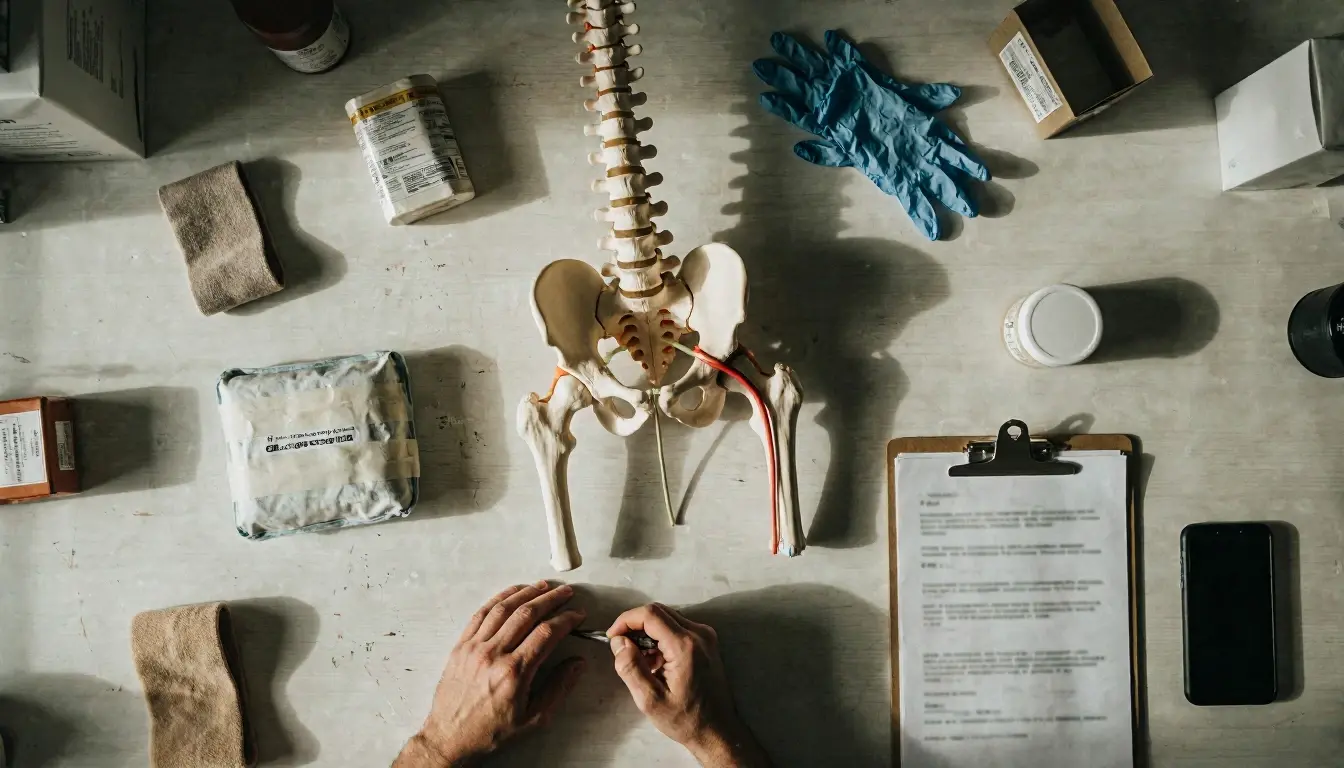
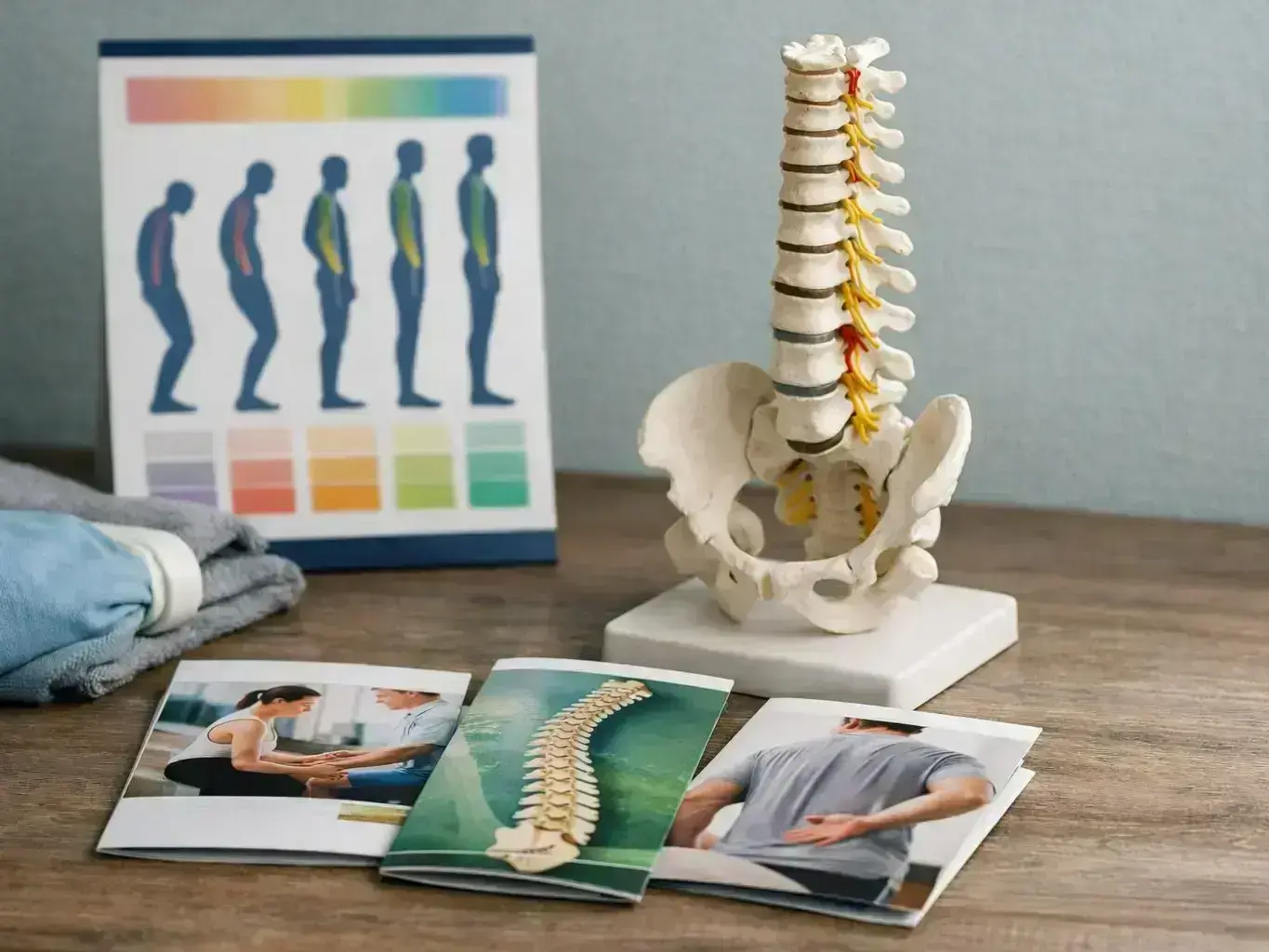
Sciatica in Chiropractor: Sciatica is sharp, burning, Or shooting pain that travels from the lower—visual guide

Sciatica is nerve pain. It starts in the lower back. Then it goes down one leg.

Related glossary terms: Disc Herniation, Lumbar Spine, Spinal Decompression.

The sciatic nerve runs from your lower back. It goes through your buttocks. It ends in each leg.

This nerve can get squeezed or hurt. That causes pain, numbness. Or tingling. You may also feel weak.

Sciatica is not a disease. It is a sign of another problem. That problem could be a herniated disc (a bulging spinal cushion).

It could also be spinal stenosis (a narrow spine). Or it might be tight muscles.

Sciatica can hurt a lot. But it often goes away soon. Most people feel better in a few weeks.

Rest helps. So do gentle stretches. Avoid things that make pain worse.

The pain can be mild. Or it can be very bad. Bad pain makes daily tasks hard.

Walking, sitting. Or standing may hurt. It's key to know what causes sciatica. That helps pick the best treatment.

How Sciatica Works?

The sciatic nerve is the biggest nerve. It is also the longest. It's made of smaller nerves from the lower back.

Something may press on this nerve. Or it may get irritated. That sends pain signals along the nerve.

A herniated disc can press on the nerve. So can a bone spur (a bony bump). Tight muscles can squeeze it too.

A herniated disc happens when a spinal cushion bulges. It presses on the nerve.

A muscle called piriformis can get tight. It sits in your buttocks. It can squeeze the sciatic nerve.

Sciatica pain follows a path. It often starts in the lower back. Then it goes down the back of your thigh.

Sometimes it reaches the calf or foot. The pain may feel sharp. It can burn or shock you.

You might feel numb or tingly. Your leg may feel weak. Sciatica usually affects just one side.

Rarely, both legs may hurt.

Why Sciatica Matters?

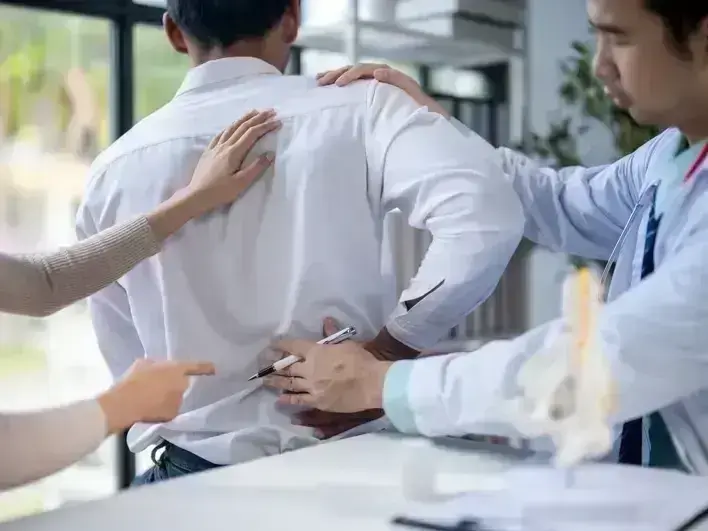
How Sciatica applies to Chiropractor services in Riverdale, United States—practical illustration

Sciatica matters because it can hurt your life. Pain makes sitting or standing hard. Walking or daily tasks may be tough.

You might struggle to drive. Working at a desk may hurt. Sleeping can be hard too.

Most cases get better with time. Self-care helps too. But bad sciatica can cause lasting problems.

Early treatment eases pain. It can stop worse issues.

Sciatica is a sign of another problem. That problem is often in your spine. Or it could be in nearby muscles.

Fixing the cause helps. It stops sciatica from coming back. A herniated disc or muscle issue may be the cause.

Knowing about sciatica helps you choose care. You might try home fixes. Or you may need a doctor.

See a doctor if pain is very bad.

When Sciatica Matters Most?

Sciatica matters most when pain is bad. It's worse if it lasts weeks. Or if it keeps getting worse.

Numbness, weakness. Or trouble with bathroom needs mean trouble. These signs need a doctor fast.

They could mean cauda equina syndrome. This is rare but serious. It needs quick care.

Some jobs make sciatica more likely. Sitting too long can cause it. So can heavy lifting.

Doing the same moves over and over can hurt too. Office workers, truck drivers. And athletes may get sciatica.

Spot early signs. Then ease pressure on the nerve. That stops long-term problems.
How to Evaluate Sciatica?

Related Concepts Compared

Sciatica vs. Herniated Disc

A herniated disc occurs when a spinal disc bulges or ruptures, often pressing on nearby nerves. Sciatica is a symptom that can result from a herniated disc. But not all herniated discs cause sciatica.

Sciatica vs. Lower Back Strain

Lower back strain involves muscle or tendon injury, causing localized pain. Sciatica involves nerve pain that radiates down the leg, often due to nerve compression.

Sciatica vs. Spinal Stenosis

Spinal stenosis is a narrowing of the spinal canal, which can compress nerves. Sciatica can be a symptom of spinal stenosis. But stenosis may also cause pain in both legs or other areas.

Expert Note

Sciatica is often manageable with conservative care. But the underlying cause determines the best treatment. For example, disc-related sciatica may respond well to decompression. While muscle-related sciatica may improve with targeted stretching or soft tissue therapy.

Common Mistakes or Myths About Sciatica

  • Assuming sciatica is just regular back pain and ignoring leg symptoms.
  • Believing sciatica always requires surgery—most cases improve with non-surgical treatments.
  • Thinking bed rest is the best treatment—gentle movement is often more helpful.
  • Ignoring severe symptoms like loss of bladder control, which may indicate a medical emergency.

Sciatica in Practice: A Real-World Example

A truck driver in Riverdale, GA, notices sharp pain shooting from his lower back down his left leg after a long shift. The pain worsens when he sits for extended periods but eases slightly when he stands or walks. He also feels tingling in his left foot. After consulting a healthcare professional, he learns the pain is sciatica caused by a herniated disc pressing on his sciatic nerve.

Related Services

Related Terms

Disc Herniation

Disc Herniation is a spinal condition where the soft, gel-like center of a spinal disc pushes through a tear in the disc’s tougher outer layer. This can irritate nearby nerves, causing pain, numbness. Or weakness in the back, neck, arms. Or legs. It often occurs due to aging, injury. Or repetitive strain on the spine.

Lumbar Spine

Lumbar Spine is the lower section of the human spine, consisting of five large vertebrae labeled L1 through L5. These bones support most of the body’s weight and enable movements like bending, lifting. And twisting. The lumbar spine connects the upper spine to the pelvis and protects nerves that travel to the legs.

Spinal Decompression

Spinal Decompression is a non-surgical treatment designed to relieve pressure on the spine and spinal nerves. It involves gently stretching the spine using a motorized table or device to create negative pressure within the spinal discs, which can help herniated or bulging discs retract and promote healing.

Back Pain

Back Pain is discomfort or soreness anywhere along the spine or muscles of the back, ranging from mild aches to sharp, debilitating pain. Back Pain can occur suddenly due to injury or develop gradually from poor posture, repetitive stress. Or age-related changes in the spine. It affects people of all ages and is a leading reason for missed work or doctor visits.

Physical Rehabilitation

Physical Rehabilitation is a structured process that helps individuals regain strength, mobility. And function after injury, surgery. Or illness. It combines exercises, manual therapy. And education to reduce pain, restore movement. And prevent further health problems. Physical Rehabilitation is often guided by healthcare professionals like chiropractors, physical therapists.

ChiropractorRiverdale.link

Have Questions About Sciatica?

Contact ChiropractorRiverdale.link for practical guidance on Sciatica and related chiropractor work in Riverdale.

+1 678-605-9917