Back Pain is discomfort or pain felt anywhere along the spine, from the neck down to the lower back. It can range from a dull ache to sharp, debilitating pain and may be caused by muscle strain, injury, poor posture. Or underlying medical conditions. Back Pain affects daily activities and may limit movement, making it one of the most common reasons people seek medical care.
Category
Musculoskeletal condition
Used for
Diagnosing and treating spinal discomfort
Common confusion
Often mistaken for muscle soreness or temporary strain
Also called
Spinal Pain, Backache
Often discussed with
Chiropractic Consultation and Diagnosis, Work Injury Treatment

Back Pain is a common condition that affects millions of people worldwide. It refers to any discomfort or pain felt along the spine, which includes the neck, upper back, middle back. And lower back. The pain can vary in intensity, from mild and nagging to severe and disabling. While Back Pain is often temporary and resolves on its own, it can also become chronic, lasting for months or even years. Understanding the causes and types of Back Pain is the first step in managing and preventing it.
Related glossary terms: Low Back Pain, Disc Herniation, Spinal Alignment.
Back Pain can originate from different structures in the back, including muscles, ligaments, bones, nerves. Or the spinal discs. For example, muscle strain is one of the most frequent causes, often resulting from lifting heavy objects improperly, sudden movements. Or poor posture. Other common causes include injuries, such as sprains or fractures. And medical conditions like arthritis, osteoporosis. Or disc herniation. In some cases, Back Pain may also be a symptom of a more serious underlying issue, such as an infection or a spinal disorder, which requires medical attention.
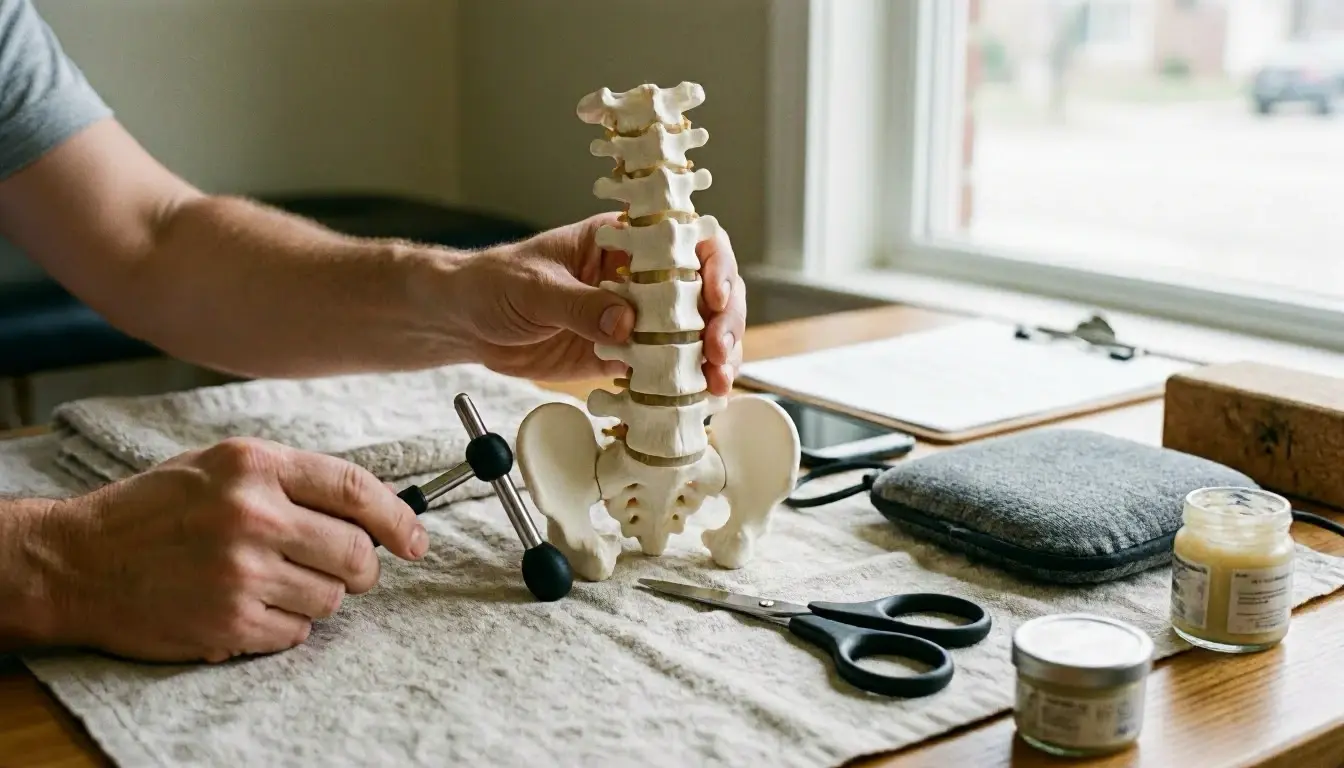
The spine is a complex structure made up of bones (vertebrae), discs, nerves, muscles. And ligaments. Each of these components plays a role in supporting the body, protecting the spinal cord. And allowing movement. When one or more of these structures is damaged or irritated, it can lead to Back Pain. For instance, a herniated disc occurs when the soft cushion between vertebrae bulges or ruptures, pressing on nearby nerves and causing pain. Similarly, muscle strain happens when fibers in the back muscles are overstretched or torn, leading to inflammation and discomfort.
Back Pain can also be classified based on its duration. Acute Back Pain typically lasts a few days to a few weeks and is often caused by an injury or sudden strain. Subacute Back Pain lasts between 4 and 12 weeks. While chronic Back Pain persists for more than 12 weeks, even after the initial injury or cause has healed. The type and duration of Back Pain can help determine the best course of treatment, whether it’s rest, physical therapy, medication. Or other interventions.
Back Pain is more than just an inconvenience—it can significantly impact a person’s quality of life. For many, Back Pain limits their ability to perform daily tasks, such as sitting at a desk, lifting objects. Or even walking. It can also interfere with sleep, work. And recreational activities, leading to frustration and stress. In severe cases, Back Pain may result in missed workdays or disability, making it a major public health concern. And untreated Back Pain can lead to other health problems, such as reduced mobility, muscle weakness. Or reliance on pain medications, which may have side effects.
Beyond the physical effects, Back Pain can also take a toll on mental health. Chronic pain is often linked to anxiety, depression. And a decreased sense of well-being. Addressing Back Pain early and effectively can help prevent these long-term consequences and improve overall health. For healthcare providers, understanding Back Pain is essential for diagnosing the root cause and recommending appropriate treatments, whether through chiropractic care, physical therapy. Or other medical interventions.
Back Pain becomes particularly important in certain situations. For example, if the pain is severe, sudden. Or accompanied by other symptoms like numbness, tingling. Or weakness in the legs, it may indicate a serious condition that requires immediate medical attention. These symptoms could signal nerve damage, a herniated disc. Or even a spinal fracture. Similarly, Back Pain that follows an accident, such as a car crash or fall, should be evaluated by a healthcare professional to rule out injuries like fractures or internal damage.
Back Pain also matters most for individuals whose jobs or lifestyles involve physical strain. People who lift heavy objects, sit for long periods. Or engage in repetitive movements are at higher risk for developing Back Pain. In these cases, preventive measures—such as proper lifting techniques, ergonomic workstations. And regular exercise—can help reduce the risk of injury. For athletes or active individuals, Back Pain may signal an overuse injury or muscle imbalance that needs to be addressed to prevent further damage. In Riverdale, GA, where many residents work in physically demanding jobs or commute long distances, Back Pain is a frequent concern that chiropractors and other healthcare providers help manage.
Neck Pain affects the cervical spine (neck area). While Back Pain can occur anywhere along the spine, including the upper, middle. Or lower back.
Sciatica is a type of Back Pain caused by irritation of the sciatic nerve, leading to pain that radiates down the leg, whereas general Back Pain may not involve nerve irritation.
Muscle strain is a specific cause of Back Pain, resulting from overstretched or torn muscles. While Back Pain can have many other causes, such as disc herniation or arthritis.
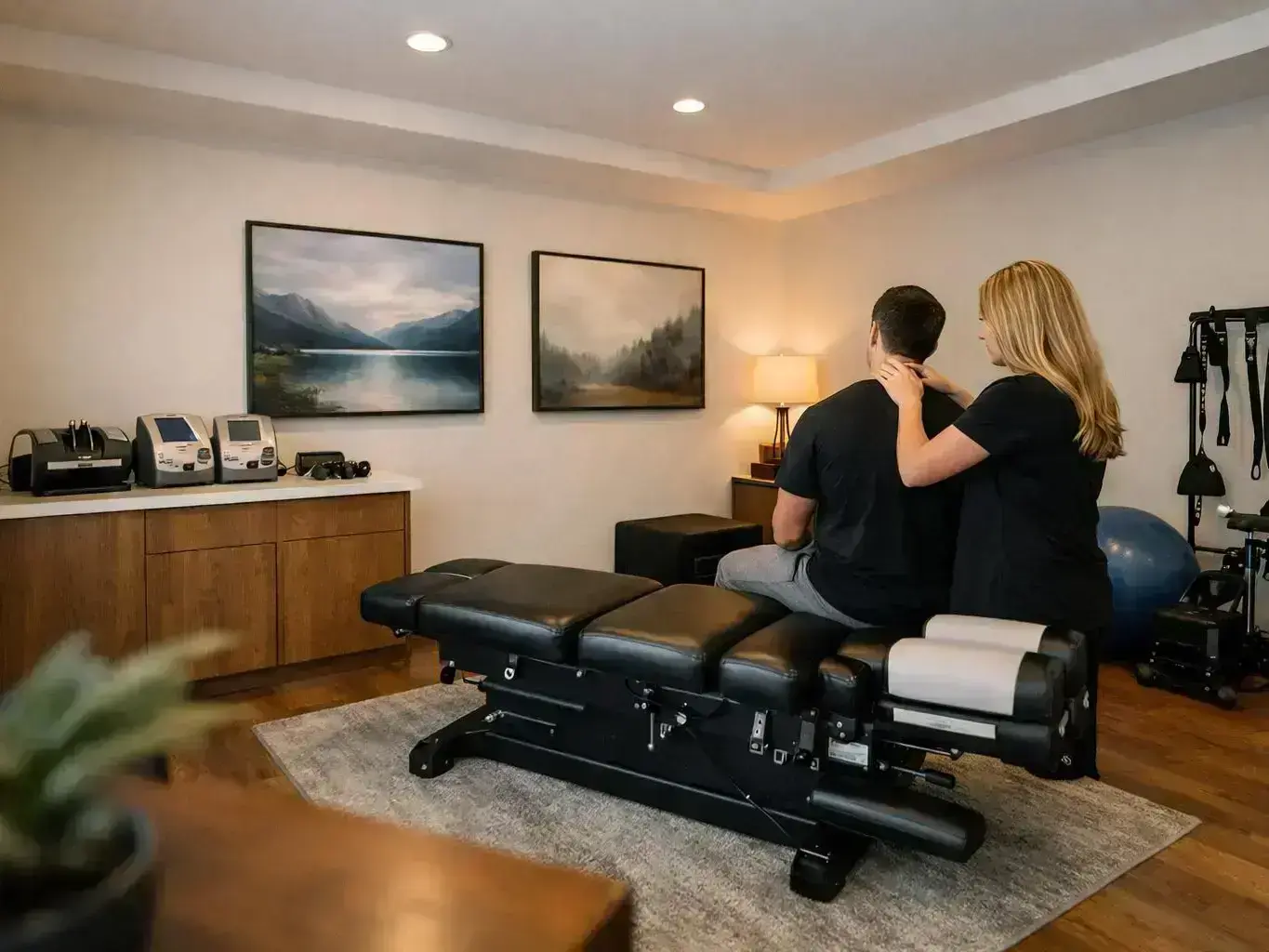
Back Pain is rarely just a single issue—it often involves a combination of muscle tension, joint dysfunction. And nerve sensitivity. Addressing all these factors through a holistic approach, such as chiropractic care or physical therapy, can lead to more effective and lasting relief.
After lifting a heavy box at work, a warehouse employee in Riverdale, GA, feels a sharp pain in their lower back. The pain worsens when they bend or twist, making it difficult to complete their shift. They visit a chiropractor, who determines the pain is due to a muscle strain and recommends rest, ice. And gentle stretching to aid recovery.
Low Back Pain is discomfort, stiffness. Or aching in the lower part of the spine, between the bottom of the ribs and the top of the legs. Low Back Pain can be sharp, dull, constant. Or occasional and may spread to the hips, buttocks. Or legs. It often results from muscle strain, injury, poor posture. Or underlying spinal conditions.
Disc Herniation is a spinal condition where the soft, gel-like center of a spinal disc pushes through a tear in the disc’s tough outer layer. This can irritate nearby nerves, causing pain, numbness. Or weakness in the back, neck, arms. Or legs. It often occurs due to aging, injury.
Spinal Alignment is the precise positioning of the vertebrae in the spine to maintain its natural curves and optimal function. Proper alignment ensures nerves, muscles. And joints work together without strain, reducing pain and improving mobility. Misalignment can result from injury, poor posture.
Chiropractic Care is a health care profession focused on diagnosing and treating musculoskeletal disorders, particularly those related to the spine. Chiropractors use hands-on spinal manipulation and other alternative treatments to align the body’s musculoskeletal structure, enabling the body to heal itself without surgery or medication. Treatment often emphasizes improving joint mobility and reducing pain.
Arrowhead Clinic Chiropractor
Contact Arrowhead Clinic Chiropractor for practical guidance on Back Pain and related chiropractor work in Riverdale.