Glossary

What is Lumbar Spine?

Lumbar Spine is the lower section of the human spine, consisting of five large vertebrae labeled L1 through L5. These bones support most of the body’s weight and enable movements like bending, lifting. And twisting. The lumbar spine connects the upper spine to the pelvis and protects nerves that travel to the legs.

Reviewed by ChiropractorRiverdale.linkSources reviewed: American Chiropractic Association, National Institute of Arthritis and Musculoskeletal and Skin Diseases

Quick Facts About Lumbar Spine

Category

Anatomical structure

Used for

Weight support and movement

Common confusion

Often mixed up with the thoracic spine

Also called

Lower Back, Lumbar Vertebrae

Often discussed with

Chiropractic Consultation and Diagnosis, Work Injury Treatment

Key Takeaways About Lumbar Spine

Understanding Lumbar Spine
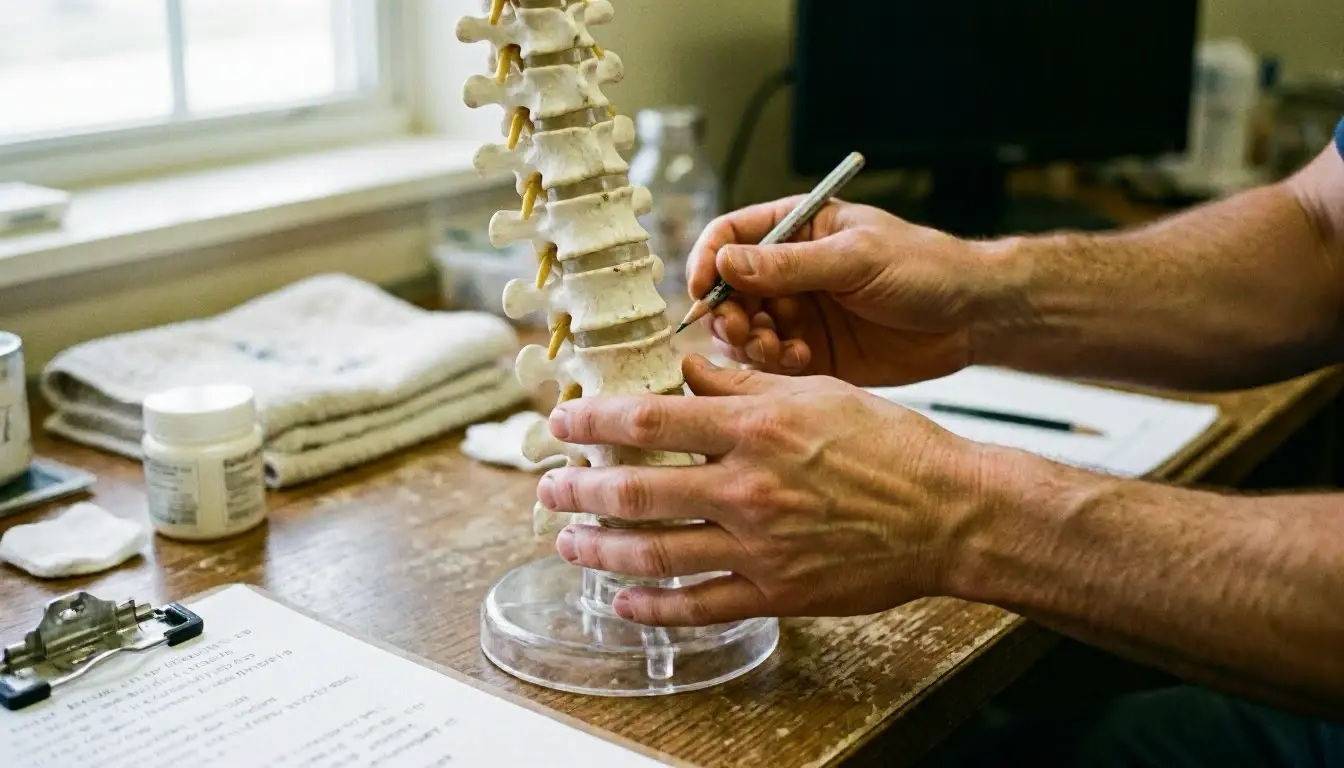
Lumbar Spine in Chiropractor: Lumbar Spine is the lower section of the human spine, consisting of—visual guide

The lower back has part of the spine. It's called the lumbar spine.

Related glossary terms: Back Pain, Sciatica, Disc Herniation.

It has five bones. These bones are called vertebrae. They are the biggest and strongest in the spine.

They hold up the upper body. They also let you move every day.

The lumbar spine keeps the spinal cord safe. It protects nerves that go to your legs.

Each bone has a soft disc between them. These discs act like cushions.

They stop the bones from rubbing together. Over time, discs can wear out or get hurt.

This can cause problems. Two examples are herniated discs and degenerative disc disease.

The lumbar spine has a natural curve. It's called lordosis.

This curve helps spread weight evenly. It also helps you keep your balance.

How Lumbar Spine Works?

The lumbar spine gives support and movement. The bones stack on top of each other.

Joints connect them. These joints let you move a little.

Muscles and ligaments help too. They keep the spine steady.

When you bend or twist, they work together. They protect your spine from harm.

The lumbar spine keeps nerves safe. The spinal cord ends near the top.

But nerves still go down through the bones. These nerves control your legs and hips.

They also control feeling in your lower body. If a bone or disc presses on a nerve, it hurts.

This can cause numbness or weakness. It's often called sciatica.

Why Lumbar Spine Matters?
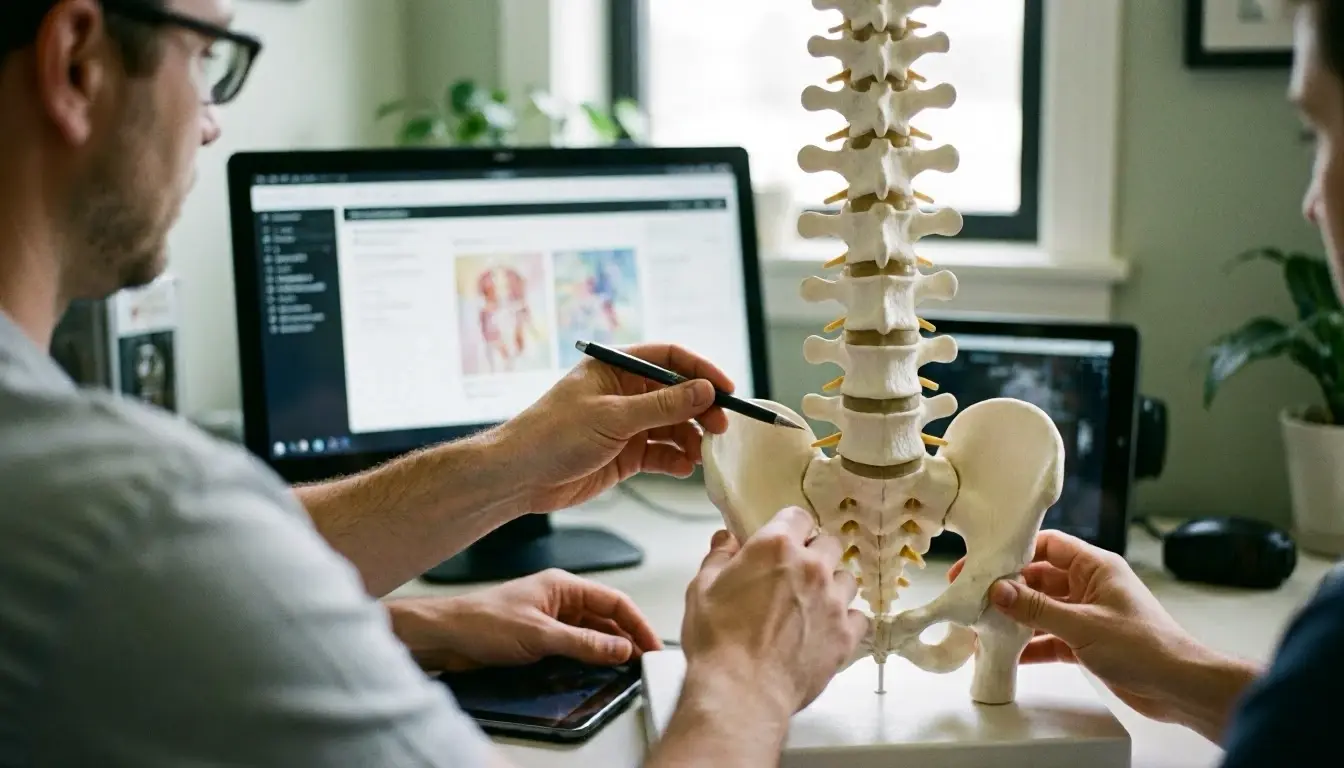
How Lumbar Spine applies to Chiropractor services in Riverdale, United States—practical illustration

The lumbar spine helps with daily life. It holds most of your body's weight.

So it can get hurt easily. Poor posture or heavy lifting can stress it.

Doing the same motions over and over can hurt it too. Problems here can cause long-term pain.

You might not move as well. Simple tasks like sitting or walking can get hard.

Keeping your lumbar spine healthy helps. It can stop these problems.

It can also help you feel better for a long time.

Lumbar spine problems can affect other parts. Nerve pressure here can hurt your legs.

This can make walking or standing hard. Fixing problems early helps.

It can stop worse issues later. It can also help you heal faster.

When Lumbar Spine Matters Most?

Your lumbar spine works hard when you lift or bend. It also works when you sit a lot.

Jobs with heavy lifting stress it more. Construction or nursing are examples.

Sitting too long can hurt it too. Bad posture makes this worse.

Athletes can also have problems. Sudden moves or hits can cause them.

Some health issues affect the lumbar spine. Arthritis can make joints stiff and sore.

Osteoporosis weakens bones. This makes them break easier.

Pregnancy can strain the lumbar spine too. Weight gain and posture changes cause this.

Knowing the risks helps. You can take steps to protect your spine.
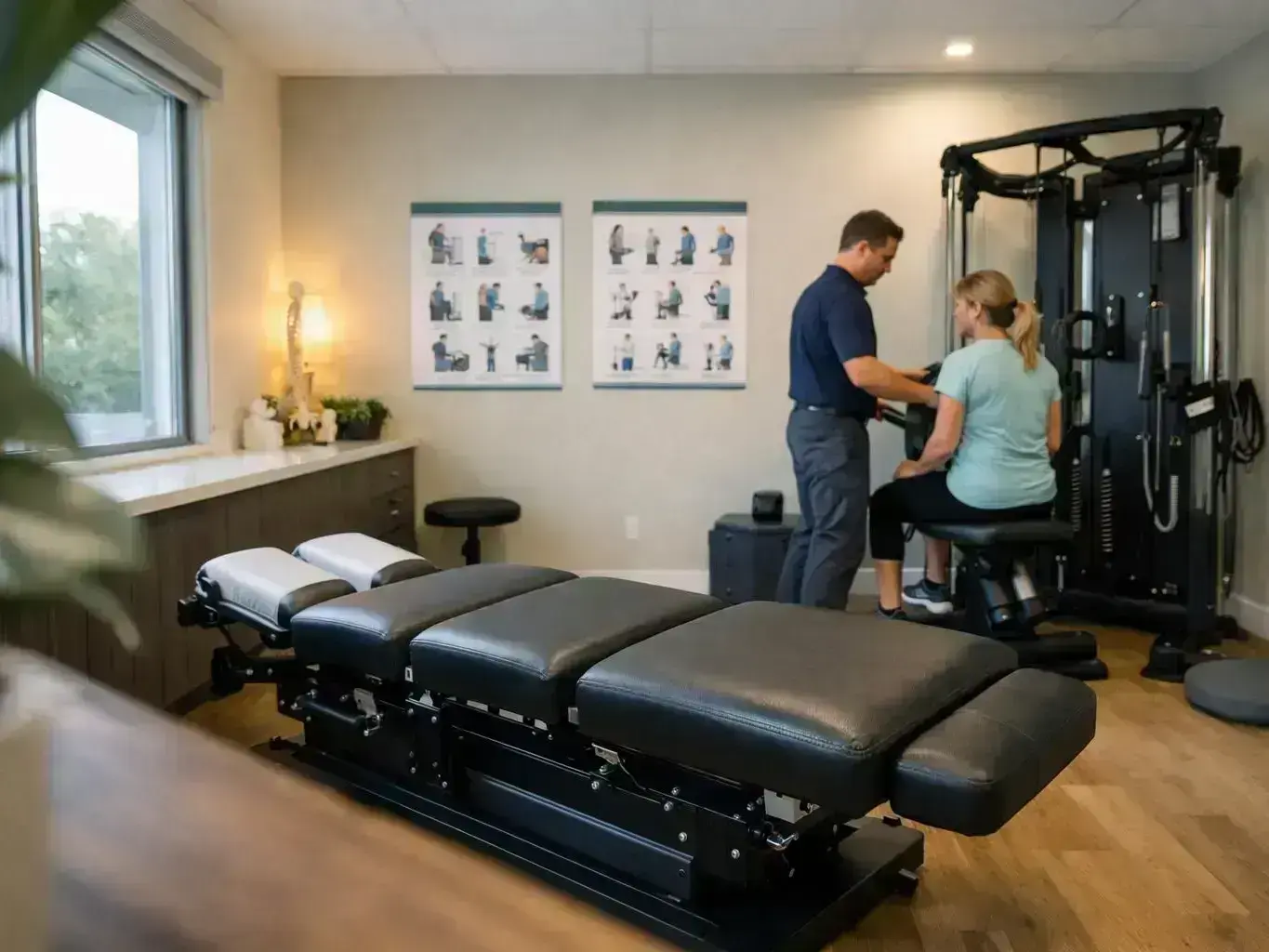
How to Evaluate Lumbar Spine?

Related Concepts Compared

Lumbar Spine vs. Thoracic Spine

The thoracic spine is the middle section of the spine, attached to the rib cage. While the lumbar spine is the lower section that bears more weight.

Lumbar Spine vs. Cervical Spine

The cervical spine is the neck region with smaller vertebrae. While the lumbar spine is the lower back with larger, stronger vertebrae.

Lumbar Spine vs. Sacrum

The sacrum is a triangular bone below the lumbar spine that connects to the pelvis. While the lumbar spine consists of movable vertebrae.

Expert Note

The lumbar spine is uniquely designed to handle both static and dynamic loads. But poor biomechanics—like slouching or improper lifting—can accelerate wear. Strengthening core muscles and maintaining flexibility are key to long-term lumbar health.

Common Mistakes or Myths About Lumbar Spine

  • Ignoring lower back pain, assuming it will go away on its own.
  • Lifting heavy objects with a rounded back instead of bending the knees.
  • Confusing lumbar spine pain with hip or kidney problems.
  • Sitting for long periods without taking breaks to stretch or move.
  • Overlooking the role of core strength in supporting the lumbar spine.

Lumbar Spine in Practice: A Real-World Example

A warehouse worker notices lower back pain after lifting heavy boxes. The pain worsens over time and begins to radiate down his leg. A chiropractor evaluates his lumbar spine and finds a herniated disc pressing on a nerve, causing sciatica. Treatment focuses on reducing pressure on the nerve and improving his lifting technique.

Related Services

Related Terms

Back Pain

Back Pain is discomfort or soreness anywhere along the spine or muscles of the back, ranging from mild aches to sharp, debilitating pain. Back Pain can occur suddenly due to injury or develop gradually from poor posture, repetitive stress. Or age-related changes in the spine. It affects people of all ages and is a leading reason for missed work or doctor visits.

Sciatica

Sciatica is sharp, burning. Or shooting pain that travels from the lower back down the back of one leg, often reaching the foot. Sciatica occurs when the sciatic nerve—the longest nerve in the body—is compressed, irritated. Or inflamed, usually by a herniated disc, bone spur. Or muscle tightness in the lower spine.

Disc Herniation

Disc Herniation is a spinal condition where the soft, gel-like center of a spinal disc pushes through a tear in the disc’s tougher outer layer. This can irritate nearby nerves, causing pain, numbness. Or weakness in the back, neck, arms. Or legs. It often occurs due to aging, injury. Or repetitive strain on the spine.

Spinal Manipulation

Spinal Manipulation is a hands-on treatment technique used by chiropractors and other trained healthcare providers to apply controlled force to joints in the spine. The goal is to improve spinal motion, reduce pain. And restore function by addressing stiffness, misalignment. Or nerve irritation. It often produces a popping or cracking sound caused by gas releasing from joint fluid.

Thoracic Spine

Thoracic Spine is the middle section of the human spine, consisting of 12 vertebrae labeled T1 through T12. It sits between the cervical spine (neck) and lumbar spine (lower back), supports the rib cage.

ChiropractorRiverdale.link

Have Questions About Lumbar Spine?

Contact ChiropractorRiverdale.link for practical guidance on Lumbar Spine and related chiropractor work in Riverdale.

+1 678-605-9917