Glossary

What is Spinal Adjustment?

Spinal Adjustment is a hands-on procedure performed by licensed chiropractors to improve spinal motion and alignment. It involves applying controlled force to specific joints in the spine, often producing a popping sound called a cavitation. The goal is to reduce pain, restore function. And support the body’s natural healing ability without surgery or medication.

Reviewed by ChiropractorRiverdale.linkSources reviewed: American Chiropractic Association, National Center for Complementary and Integrative Health (NCCIH)

Quick Facts About Spinal Adjustment

Category

Chiropractic technique

Used for

Back pain, neck pain, headaches, joint stiffness

Common confusion

Often called ‘cracking the back,’ but it’s a precise medical procedure

Also called

Chiropractic Adjustment, Spinal Manipulation

Often discussed with

Chiropractic Consultation and Diagnosis, Car Accident Injury Rehabilitation

Key Takeaways About Spinal Adjustment

Understanding Spinal Adjustment

Spinal Adjustment in Chiropractor: Spinal Adjustment is a hands-on procedure performed by licensed chiropractors to improv...

Spinal adjustment, also known as spinal manipulation, is a core technique in chiropractic care. Chiropractors train for years to learn how to apply the right amount of force to the right spot on the spine. The procedure targets joints that are not moving properly or are slightly out of alignment. When these joints are adjusted, they can move more freely, which may reduce pain and improve how the body functions. Many people seek spinal adjustments for relief from back pain, neck pain. Or headaches. But the benefits can extend to overall wellness.

Related glossary terms: Chiropractic Adjustment, Adjustment, Spinal Manipulation.

During a spinal adjustment, the chiropractor may use their hands or a small instrument to deliver a quick, gentle thrust to the affected joint. This often results in a popping sound, which is simply gas being released from the joint fluid. The sound is normal and not a sign of injury. While some people feel immediate relief, others may need several sessions to notice a difference. The number of adjustments required depends on the condition being treated and how the body responds.

How Spinal Adjustment Works?

Spinal adjustments work by restoring proper movement to joints that are restricted or misaligned. When a joint is not moving correctly, it can cause pain, stiffness. And even affect nerves that travel through the spine. The adjustment helps to realign the joint, reduce pressure on surrounding nerves. And improve blood flow to the area. This can help the body heal naturally and reduce inflammation. Chiropractors often combine adjustments with other therapies, such as stretching, exercise. Or soft tissue work, to boost results.

Chiropractors use different techniques to perform spinal adjustments. Some methods involve quick thrusts. While others use slower, more sustained pressure. The choice of technique depends on the patient’s age, health. And specific condition. For example, a gentle approach may be used for children or older adults. While a more forceful adjustment might be needed for athletes or those with chronic pain. Safety is always a priority. And chiropractors are trained to adapt their methods to each patient’s needs.

Why Spinal Adjustment Matters?

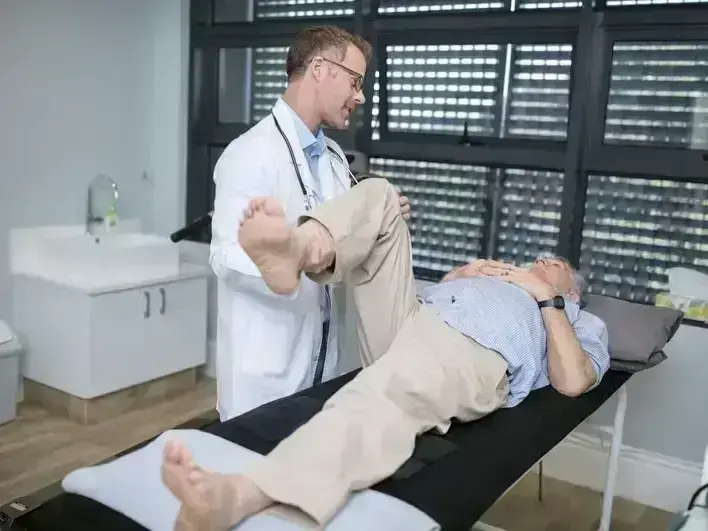
How Spinal Adjustment applies to Chiropractor services in Riverdale, United States—practical illustration

Spinal adjustments matter because they offer a non-invasive way to manage pain and improve mobility. Many people prefer this approach over medication or surgery, especially for conditions like lower back pain or neck stiffness. Research shows that spinal manipulation can be as effective as other treatments for certain types of pain, with fewer side effects. For example, studies have found that chiropractic care can reduce the need for painkillers and lower the risk of complications compared to more invasive procedures.

Beyond pain relief, spinal adjustments can also help the body function better. When the spine is properly aligned, nerves can communicate more effectively with the rest of the body. This can improve posture, reduce tension. And even boost energy levels. For people with chronic conditions like sciatica or herniated discs, regular adjustments may help prevent flare-ups and maintain long-term comfort. While not a cure-all, spinal adjustments are a valuable tool for many seeking natural, drug-free relief.

When Spinal Adjustment Matters Most?

Spinal adjustments are most helpful for people experiencing acute or chronic pain related to the spine. Common reasons for seeking an adjustment include sudden back pain after lifting something heavy, stiffness from sitting too long. Or recurring headaches linked to neck tension. Athletes often use spinal adjustments to recover from injuries or improve performance, as proper spinal alignment can boost flexibility and reduce the risk of strains. People involved in car accidents or slips and falls may also benefit, as these events can cause misalignments that lead to long-term discomfort.

Spinal adjustments are not just for pain relief. Some people use them as part of a preventive care routine to maintain spinal health and avoid future problems. For example, office workers who sit for long hours may schedule regular adjustments to counteract poor posture. The result is others may seek adjustments after noticing changes in their range of motion or comfort levels. It’s important to consult a licensed chiropractor to determine if spinal adjustment is the right choice for your specific needs, especially if you've underlying health conditions like osteoporosis or severe arthritis.


How to Evaluate Spinal Adjustment?

Related Concepts Compared

Spinal Adjustment vs. Spinal Manipulation

Spinal manipulation is a broader term that includes all techniques to improve spinal movement. While spinal adjustment refers specifically to the precise, controlled thrusts used by chiropractors.

Spinal Adjustment vs. Mobilization

Mobilization uses slower, gentler movements to stretch joints and muscles, whereas spinal adjustment involves quick, targeted pressure to realign joints.

Expert Note

Spinal adjustments are not one-size-fits-all. A skilled chiropractor tailors the technique to the patient’s age, health. And specific condition to ensure safety and effectiveness.

Common Mistakes or Myths About Spinal Adjustment

  • Thinking spinal adjustments are painful—most people feel relief, not pain.
  • Assuming one adjustment will fix everything—most conditions require multiple sessions.
  • Confusing spinal adjustments with cracking your own back, which can be harmful.
  • Believing adjustments are unsafe—when done by a licensed professional, they are low-risk.
  • Expecting adjustments to cure non-spinal issues like infections or broken bones.

Spinal Adjustment in Practice: A Real-World Example

After a long day at work, Sarah noticed her lower back felt stiff and achy. She visited a chiropractor, who performed a spinal adjustment to realign her lumbar spine. After the session, Sarah felt immediate relief and was able to move more freely. She scheduled a few follow-up visits to maintain the improvement and prevent future discomfort.

Related Services

Related Terms

Chiropractic Adjustment

Chiropractic Adjustment is a hands-on procedure where a licensed chiropractor applies controlled force to specific joints, usually in the spine, to improve alignment, reduce pain. And restore movement. Chiropractic Adjustments aim to support the body’s natural healing without surgery or medication. They're commonly used for back pain, neck pain, headaches.

Adjustment

Adjustment is a precise manual procedure chiropractors use to apply controlled force to a joint in the spine or other body part. Adjustments aim to restore proper movement, reduce nerve irritation. And improve function without surgery or medication. Chiropractors train for years to perform adjustments safely and effectively for pain relief and mobility.

Spinal Manipulation

Spinal Manipulation is a hands-on treatment technique used by chiropractors and other trained healthcare providers to apply controlled force to joints in the spine. The goal is to improve spinal motion, reduce pain. And restore function by addressing stiffness, misalignment. Or nerve irritation. It often produces a popping or cracking sound caused by gas releasing from joint fluid.

Back Pain

Back Pain is discomfort or soreness anywhere along the spine or muscles of the back, ranging from mild aches to sharp, debilitating pain. Back Pain can occur suddenly due to injury or develop gradually from poor posture, repetitive stress. Or age-related changes in the spine. It affects people of all ages and is a leading reason for missed work or doctor visits.

ChiropractorRiverdale.link

Have Questions About Spinal Adjustment?

Contact ChiropractorRiverdale.link for practical guidance on Spinal Adjustment and related chiropractor work in Riverdale.

+1 678-605-9917