Understanding Flexion Distraction
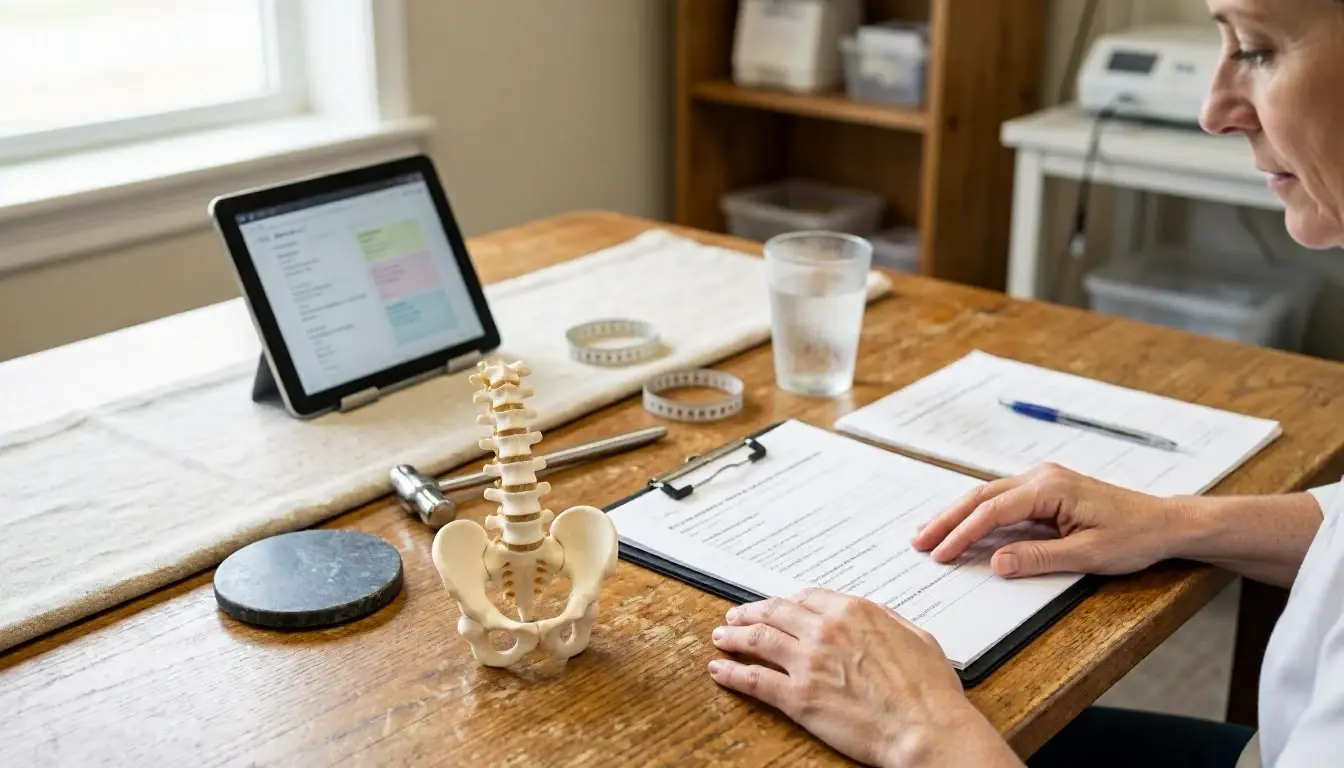
Flexion Distraction is a chiropractic technique developed to treat conditions affecting the spine, particularly those involving disc herniation or nerve compression. Unlike traditional spinal adjustments that use quick thrusts, Flexion Distraction relies on slow, controlled movements to stretch and decompress the spine. This method is performed on a specialized chiropractic table that allows the practitioner to apply precise flexion and distraction forces to targeted areas of the spine.
Related glossary terms: Disc Herniation, Spinal Decompression, Chiropractic Adjustment.
The goal of Flexion Distraction is to restore normal motion to the spine, reduce pressure on spinal discs and nerves. And promote healing. It's often recommended for patients experiencing back pain, sciatica. Or symptoms related to spinal stenosis. Because the technique is gentle and non-invasive, it is suitable for individuals who may not tolerate more forceful adjustments, including older adults or those with acute pain.
How Flexion Distraction Works?
Flexion Distraction works by combining two key movements: flexion (bending forward) and distraction (gentle stretching or pulling). The patient lies face down on a specialized table with sections that can move independently. The chiropractor secures the patient’s lower body while slowly flexing and distracting the upper or lower spine, depending on the area being treated. These movements create negative pressure within the spinal discs, which can help retract herniated disc material and reduce nerve irritation.
The rhythmic nature of the technique also improves circulation and nutrient exchange in the spinal discs, supporting the body’s natural healing process. A typical session lasts 10 to 15 minutes and is often combined with other therapies, such as soft tissue work or therapeutic exercises, to boost results. Patients usually require multiple sessions to achieve lasting relief. Though some experience immediate improvement in pain and mobility.
Why Flexion Distraction Matters?

Flexion Distraction matters because it offers a safe, effective alternative to surgery or medication for managing disc-related spinal conditions. Many patients with herniated discs or spinal stenosis experience significant pain, numbness. Or weakness in the back and legs, which can limit daily activities and reduce quality of life. By decompressing the spine and reducing nerve pressure, Flexion Distraction can alleviate these symptoms without the risks or recovery time associated with surgical procedures.
And the technique supports long-term spinal health by improving disc hydration and mobility. Healthy spinal discs act as shock absorbers, protecting the spine during movement. When discs become dehydrated or compressed, they lose their ability to function properly, leading to pain and stiffness. Flexion Distraction helps restore disc height and flexibility, reducing the risk of further degeneration and injury.
When Flexion Distraction Matters Most?
Flexion Distraction is most beneficial for individuals experiencing symptoms related to disc herniation, spinal stenosis. Or sciatica. Common signs that this technique may help include sharp or radiating pain in the back or legs, numbness or tingling in the extremities. And limited range of motion in the spine. It is also useful for patients who have not responded to other forms of treatment, such as medication or physical therapy. Or those looking to avoid surgery.
The technique is particularly valuable for older adults or individuals with chronic conditions that make more aggressive treatments risky. Because Flexion Distraction is gentle and customizable, it can be adapted to suit each patient’s comfort level and specific needs. In Riverdale, GA, where chiropractic care is often sought for work-related injuries or chronic pain, Flexion Distraction provides a non-invasive option for managing spinal health and improving mobility.
Patients considering Flexion Distraction should consult a chiropractor trained in the technique to determine if it is appropriate for their condition. A thorough evaluation, including imaging or orthopedic tests, may be recommended to confirm the diagnosis and tailor the treatment plan.